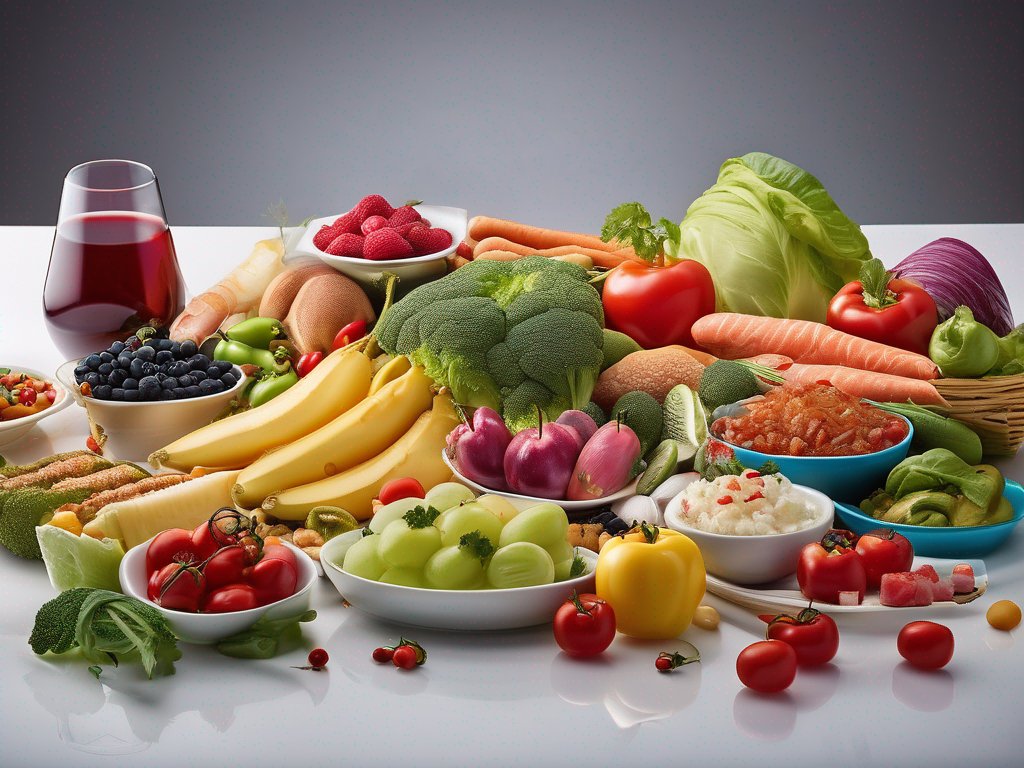
How Long is Food Good After the Sell-By Date?
How Long is Food Good After the Sell-By Date?
Have you ever looked at the sell-by date on a food product and wondered if it's still safe to eat past that date? Understanding food expiration dates can be confusing, but it's essential for maintaining food safety. In this blog post, we'll explore how long food is good after the sell-by date and provide you with practical tips to ensure you're consuming safe and fresh food.
Understanding Sell-By Dates
Sell-by dates are set by manufacturers to indicate the date until which the product is expected to be at its peak quality. It's important to note that sell-by dates are not expiration dates and are meant for retailers to know how long to display the product for sale. Consumers can still consume food after the sell-by date, but it's essential to use your best judgment and consider other factors like storage conditions and food type.
Factors to Consider
When determining if food is still good after the sell-by date, consider the following factors:
Dairy products require consistent cold storage to prevent spoilage and bacterial growth. A refrigerator thermometer (Amazon) helps ensure your refrigerator maintains safe temperatures (40°F or below).
- Storage Conditions: Proper storage is key to extending the shelf life of food. Make sure to store perishable items in the refrigerator or freezer as needed.
- Food Type: Different types of food have varying shelf lives. While some products like canned goods can last for years beyond the sell-by date, perishable items like dairy and meat have a shorter window.
- Packaging Integrity: Check for any signs of damage or spoilage in the packaging before consuming the product.
How Long Can You Keep Food After the Sell-By Date?
The shelf life of food after the sell-by date varies depending on the type of product. Here's a general guideline on how long you can keep common food items after the sell-by date:
Dairy Products
- Milk: Consume within 1-2 days after the sell-by date.
- Cheese: Hard cheeses can last 3-4 weeks past the sell-by date, while soft cheeses should be consumed within 1 week.
- Yogurt: Eat within 1-2 weeks after the sell-by date.
Meat and Seafood
- Raw Meat: Cook or freeze within 1-2 days after the sell-by date.
- Fish: Use within 1-2 days after the sell-by date.
- Processed Meats: Consume within 3-4 days after the sell-by date.
Canned Goods
- Canned goods can generally be consumed 1-2 years past the sell-by date if the cans are intact and stored in a cool, dry place.
Baked Goods
- Baked goods like bread and pastries can typically be consumed 2-3 days after the sell-by date, but use your judgment based on freshness.
Fruits and Vegetables
- Fresh produce should be consumed based on their appearance and texture rather than the sell-by date. Use within a few days of purchase for optimal freshness.
common situation
To make the concept a bit more relatable, let’s dive into a couple of common situation where sell-by dates come into play.
situation 1: The Last-Minute Dinner Party
Imagine it’s Friday evening, and you’ve invited friends over for dinner. You pull out a carton of milk to make your famous creamy pasta sauce and notice the sell-by date was two days ago. Instead of panicking and running to the store, you take a whiff—smells fine! You pour a bit into a glass and taste it—no sourness. You feel confident enough to use it in your recipe. Everyone enjoys the meal, and you realize that trusting your senses can lead to great meals, even past the sell-by date.
After opening, transferring dairy into an airtight container (Amazon) can reduce odor absorption, limit moisture exposure, and help slow bacterial growth.
situation 2: The Forgotten Yogurt
Picture this: You’re cleaning out your fridge and come across a couple of containers of yogurt with a sell-by date from two weeks ago. Many people might toss these out immediately, but you remember reading that yogurt can still be good past its sell-by date. You check for unusual odors, examine the texture, and spot a little liquid on top—just a simple mix fixes that. You taste it, and it’s still fresh! That’s a win for your taste buds and your wallet.
Tips for Ensuring Food Safety
To ensure that the food you consume after the sell-by date is safe, follow these practical tips:
- Check for Signs of Spoilage: Look for unusual odors, colors, textures, or mold growth on the food product.
- Follow Storage Guidelines: Store perishable items properly in the refrigerator or freezer to maintain freshness.
- Use Your Senses: Trust your senses of smell, sight, and taste to determine if the food is still good to eat.
- Err on the Side of Caution: When in doubt, it's safer to discard the food rather than risk foodborne illness.
Scientific Context of Food Safety
Understanding the science behind food safety can help demystify the sell-by date and food preservation. The sell-by date indicates the freshness of the product determined by the manufacturer’s quality assessments. Factors such as temperature, moisture, and exposure to light can influence the degradation of food. For instance, bacteria that cause spoilage thrive at temperatures between 40°F and 140°F (the “risks and considerations zone”), so maintaining the right temperature in your refrigerator is critical.
Preservation Methods
Food preservation methods also play a significant role in extending the life of food products. Here are a few techniques that might help you keep food safe longer:
- Freezing: Freezing food effectively halts the growth of bacteria. For instance, meats, vegetables, and even dairy can be frozen to prolong their shelf life. Just make sure to wrap them well to prevent freezer burn.
- Canning: Properly canned goods can be stored for years. The canning process involves heating food to kill bacteria, which prevents spoilage. Just remember that once a can is opened, it should be used within a few days.
- Vacuum Sealing: This method removes air from packaging, which can extend the life of food significantly. Many people use vacuum sealers to bulk buy meats and keep them fresher for longer.
Common Mistakes
Many people misunderstand the nuances of sell-by dates, leading to unnecessary food waste. Here are some common mistakes to avoid:
- Confusing Sell-By with Expiration Dates: Some think sell-by dates are the same as expiration dates. Remember, sell-by dates guide retailers, not consumers.
- Ignoring Storage Instructions: Not following the recommended storage instructions can lead to food spoilage. Always check if your food needs refrigeration or if it can be stored at room temperature.
- Throwing Away Food Prematurely: People often toss items without checking their condition. If the food appears fresh and smells fine, it might still be good.
Expert Insights
As a food safety expert, I want to stress the importance of understanding these dates and using good judgment. According to the USDA, “Food doesn’t have to be discarded after the sell-by date; however, it is essential to keep an eye on its quality.”
Important Cautions
Be mindful of certain foods that can pose greater risks if consumed past their sell-by dates:
- Eggs: While eggs can often be safe to eat past the sell-by date when stored properly, always check for signs of spoilage, like off smells or a change in appearance.
- Deli Meats: These can harbor bacteria if not consumed within a few days of their sell-by date. Always err on the side of caution with these products.
Storage Methods to Maximize Freshness
Here are some detailed storage techniques to help you keep your food safe longer:
- Use Airtight Containers: For items like pasta, grains, and snacks, transferring them to airtight containers can minimize exposure to air, which can lead to spoilage.
- Organize Your Fridge: Place items with closer sell-by dates at the front of your fridge so you remember to use them sooner.
- Labeling: Consider labeling leftovers with the date you cooked them. This can help you track how long they’ve been in the fridge.
Conclusion
While sell-by dates provide guidance on food quality, they are not strict indicators of food safety. By understanding how long food is good after the sell-by date and following proper storage and safety practices, you can reduce food waste and enjoy fresh and safe meals. Remember to use your best judgment, trust your senses, and prioritize food safety when consuming products past their sell-by dates. Stay informed, stay safe, and enjoy your meals responsibly!
Authoritative Food Safety References
These agencies and university labs inform every tip and health precaution we publish.
USDA FoodKeeper – Cold Storage Guidelines
Official refrigerator, freezer, and pantry timelines maintained by the U.S. Department of Agriculture.
Visit USDA FoodKeeperFDA Produce Safety Rule & Grower Guidance
Field-to-fridge handling practices that prevent contamination of fruits, vegetables, and leafy greens.
Visit FDA Produce SafetyCDC Foodborne Illness Prevention Hub
Surveillance-backed guidance on pathogens, symptoms, and steps to reduce foodborne illness risk.
Visit CDC Food SafetyUC Davis Postharvest Technology Center
University research detailing optimal storage atmospheres for produce after harvest.
Visit UC Davis PostharvestPenn State Extension – Home Food Preservation & Safety
Peer-reviewed extension bulletins on safe canning, chilling, and reheating practices.
Visit Penn State ExtensionFrequently Asked Questions
Q: Can I eat food past the expiration date?
Q: How can I tell if food is still safe to eat after the sell-by date?
Q: Can you freeze food past the sell-by date to extend its shelf life?
Q: Are there any foods that should not be consumed after the sell-by date?
Citations
Disclosure: As an Amazon Associate, we earn from qualifying purchases. This helps support our site and allows us to continue providing free food safety information.