How Long Is Chicken Salad Good After Sell By Date
How Long Is Chicken Salad Good After Sell By Date
When it comes to food safety, understanding expiration dates and how long food can be consumed after those dates is crucial. Chicken salad is a popular dish enjoyed by many, but how long can it be safely consumed after the sell-by date? In this blog post, we will explore the shelf life of chicken salad, proper storage methods, and tips for ensuring food safety.
Understanding Sell-By Dates
Sell-by dates are used by retailers for inventory management and are not always a true indicator of food safety. It is essential to differentiate between sell-by, use-by, and expiration dates to ensure you are consuming food at its best quality and safety.
-
Sell-By Date: This date is used by retailers to indicate how long they should display the product for sale. It is not a safety date but rather a guideline for freshness.
💡Proper cooking temperatures are essential for food safety. An instant-read food thermometer (Amazon) helps ensure meat reaches safe internal temperatures and reduces the risk of foodborne illness.
-
Use-By Date: This date is the last day recommended for the use of the product while still at peak quality.
-
Expiration Date: This date signifies the last day a product should be consumed for safety reasons. Consuming food past the expiration date can pose health risks.
Shelf Life of Chicken Salad
The shelf life of chicken salad can vary depending on the ingredients used and how it is stored. Here are some general guidelines to consider:
Refrigerator temperature fluctuations can accelerate spoilage and increase food safety risks. A refrigerator thermometer (Amazon) helps monitor consistent cold storage (40°F or below).
-
Store-Bought Chicken Salad: If properly stored in the refrigerator, store-bought chicken salad can typically last 3-5 days after the sell-by date.
-
Homemade Chicken Salad: Homemade chicken salad can last 3-4 days in the refrigerator if stored correctly.
-
Variations: The shelf life may vary based on additional ingredients such as mayonnaise, vegetables, and seasonings. Always check for signs of spoilage before consuming.
Signs of Spoilage
It is essential to be vigilant for signs of spoilage when consuming chicken salad past the sell-by date. Some common indicators that the chicken salad has gone bad include:
-
Off Odors: If the chicken salad has a sour or unpleasant smell, it is best to discard it.
-
Visible Mold: Any presence of mold on the chicken salad is a clear sign of spoilage.
-
Slimy Texture: If the chicken salad feels slimy or has a change in texture, it is no longer safe to eat.
Proper Storage Tips
Proper storage is key to extending the shelf life of chicken salad and maintaining food safety. Follow these tips for storing chicken salad:
-
Refrigeration: Always store chicken salad in the refrigerator at a temperature of 40°F or below.
-
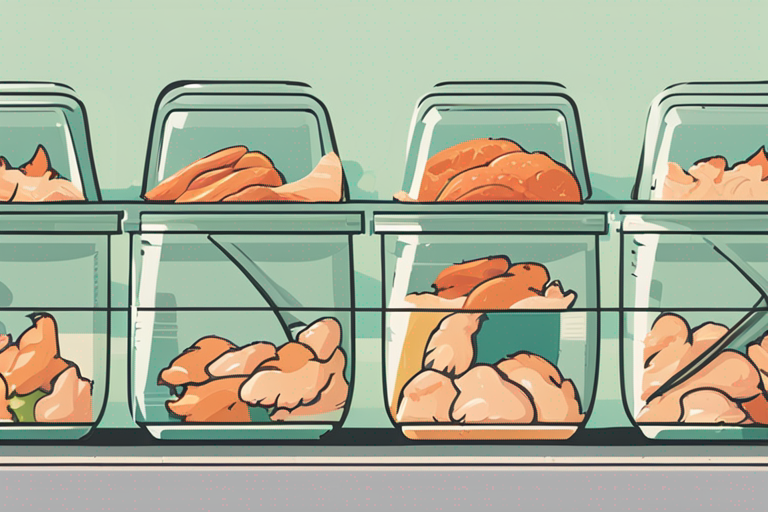
Sealed Container: Store chicken salad in an airtight container to prevent exposure to bacteria and odors from other foods.
-
Avoid Cross-Contamination: Keep chicken salad away from raw meats, seafood, and other potential contaminants in the refrigerator.
-
Use Clean Utensils: When serving chicken salad, use clean utensils to avoid introducing bacteria.
common situation
situation 1: The Last-Minute Picnic
Imagine you’ve planned a lovely picnic with friends and made a big batch of chicken salad a few days prior. While packing the cooler, you check the sell-by date and see it’s just a day past. You hesitate, wondering if it’s still safe. Given that it was stored properly in the fridge, and there are no signs of spoilage, you're good to go! Your friends end up raving about the chicken salad, and it becomes a highlight of the day.
situation 2: The Busy Week
In another situation, Sarah prepared chicken salad on Sunday, but by Wednesday, her week got hectic. When she finally opened the fridge to grab it on Thursday, she noticed the sell-by date had passed. She remembers learning about proper storage and decides to give it a sniff and a quick look. All seems fine! After proper assessment, she enjoys her chicken salad without any issues, reminding herself of the value of proper food storage.
situation 3: The Cookout Conundrum
John made a massive bowl of chicken salad for a family cookout, but after a fun-filled day, a lot of the salad was left over. He put it in the refrigerator and forgot about it until the next week. He checks the sell-by date and finds it’s now a week past. He recalls the signs of spoilage he once read about. With a quick inspection, he notices a slight odor and some texture changes. Though it’s a shame to waste food, he knows it’s better to be safe than sorry.
Scientific Context
Understanding the science behind food safety can help us make informed choices. Chicken salad typically contains perishable ingredients such as cooked chicken and mayonnaise, which can harbor bacteria like Salmonella and Listeria if not handled correctly. These bacteria can thrive when chicken salad is left out at room temperature for longer than two hours, potentially leading to foodborne illnesses.
The temperature risks and considerations zone—between 40°F and 140°F—allows bacteria to multiply rapidly. That's why it’s crucial to keep chicken salad chilled, ideally below 40°F, as lower temperatures slow down bacterial growth. When in doubt, always prioritize safety over saving a meal; it's not worth the risk!
Practical Tips for Chicken Salad Enjoyment
-
Batch Size: Consider making smaller batches of chicken salad if you often find leftovers. This way, you can enjoy fresh meals within the recommended time frame and reduce waste.
-
Freezing Options: If you have a lot of leftover chicken salad, consider freezing it. While the texture may change after thawing, it can still be a safe and enjoyable option. Make sure to store it in an airtight freezer-safe container.
-
Serving Size: When hosting events, prepare smaller serving sizes or allow guests to serve themselves. This minimizes leftovers that might not be consumed quickly.
-
Keep it Cool: If you’re serving chicken salad at an outdoor event, use ice packs or a chilled serving dish to keep the salad at a safe temperature.
Common Mistakes
Many people make the mistake of relying solely on the sell-by date without checking the actual condition of the food. It’s not uncommon to see someone throw out chicken salad merely because it’s past its sell-by date, even if it looks, smells, and tastes fine. Remember, sensory inspection is key!
Another common error is not storing chicken salad in an airtight container. This exposes it to air, which can promote spoilage. Always opt for containers that provide a tight seal.
Expert Insights
According to food safety experts, it’s crucial to remember that food storage practices can significantly influence the shelf life of your meals. Food safety guidance from public health agenciesLynn, a food safety researcher, emphasizes the importance of proper cooling methods: “Cooling food quickly and storing it properly can double or even triple its shelf life.”
She also advises keeping a thermometer handy in your fridge to ensure it's consistently below 40°F. “It’s a small investment that can save you from foodborne illness,” she adds.
Storage Methods
To maximize the freshness and safety of your chicken salad, consider these detailed storage methods:
-
Layering: If your chicken salad contains ingredients that can easily wilt or become mushy, like lettuce or tomatoes, layer them separately. Keep heavier ingredients like chicken and dressing at the bottom of the container and lighter ones on top to maintain texture.
-
Cool Down Before Storing: If you’re storing freshly prepared chicken salad, allow it to cool to room temperature before placing it in the refrigerator. However, don’t let it sit out for more than two hours to avoid bacterial growth.
-
Regularly Check Your Inventory: It’s a good idea to routinely check your fridge for items that may need to be consumed soon. This can help you avoid surprises with expired food.
Safety Warnings
When it comes to food safety, always err on the side of caution. If you’re ever unsure about the quality of your chicken salad, it’s better to toss it than risk food poisoning. Some signs to watch for include:
- Changes in color: If the chicken has turned gray or the dressing has separated oddly, it’s best to discard it.
- Unusual bubbles: If you see bubbles when you open the container, this could indicate fermentation or spoilage.
Lastly, if anyone in your household is pregnant, elderly, or immunocompromised, it’s essential to be especially cautious with food safety. These groups are at a higher risk for foodborne illnesses.
Conclusion
In conclusion, chicken salad can be consumed after the sell-by date if stored properly and if there are no signs of spoilage. It is crucial to understand the different types of expiration dates and practice proper food safety measures to prevent foodborne illnesses. By following the guidelines outlined in this blog post, you can enjoy your chicken salad safely and deliciously. Remember, when in doubt, it's always best to err on the side of caution and discard any questionable food items. Stay safe, stay informed, and enjoy your meals responsibly.
Authoritative Food Safety References
These agencies and university labs inform every tip and health precaution we publish.
USDA FoodKeeper – Cold Storage Guidelines
Official refrigerator, freezer, and pantry timelines maintained by the U.S. Department of Agriculture.
Visit USDA FoodKeeperFDA Produce Safety Rule & Grower Guidance
Field-to-fridge handling practices that prevent contamination of fruits, vegetables, and leafy greens.
Visit FDA Produce SafetyCDC Foodborne Illness Prevention Hub
Surveillance-backed guidance on pathogens, symptoms, and steps to reduce foodborne illness risk.
Visit CDC Food SafetyUC Davis Postharvest Technology Center
University research detailing optimal storage atmospheres for produce after harvest.
Visit UC Davis PostharvestPenn State Extension – Home Food Preservation & Safety
Peer-reviewed extension bulletins on safe canning, chilling, and reheating practices.
Visit Penn State ExtensionFrequently Asked Questions
"How long can chicken salad last after the sell by date?
"Can I freeze chicken salad to extend its shelf life?
"What are the signs that chicken salad has gone bad?
"Is it safe to eat chicken salad past the sell by date?
"How should I store chicken salad to maximize its shelf life?
Citations
Disclosure: As an Amazon Associate, we earn from qualifying purchases. This helps support our site and allows us to continue providing free food safety information.