How Long Does Unopened Vegetable Oil Last?
How Long Does Unopened Vegetable Oil Last?
How Long Does Unopened Vegetable Oil Last?
When it comes to cooking, vegetable oil is a staple in many kitchens. Whether you use it for frying, baking, or salad dressings, having a bottle of vegetable oil on hand is essential. But have you ever wondered how long that bottle of vegetable oil can last before it goes bad? In this blog post, we will explore the shelf life of unopened vegetable oil, how to store it properly, and signs that indicate it may have gone bad.
Understanding the Shelf Life of Unopened Vegetable Oil
Vegetable oil, like other cooking oils, has a relatively long shelf life due to its low water content. The shelf life of unopened vegetable oil can vary depending on the type of oil and how it is stored. Here are some general guidelines for the shelf life of unopened vegetable oil:
Types of Vegetable Oils and Their Shelf Life
- Canola Oil: Canola oil typically has a shelf life of about one to two years when stored properly in a cool, dark place.
- Olive Oil: Extra virgin olive oil can last up to two years, while refined olive oil can last up to three years when stored correctly.
- Sunflower Oil: Sunflower oil usually lasts for about six months to one year.
- Corn Oil: Corn oil can last up to one year.
- Soybean Oil: Soybean oil has a shelf life of about six months to one year.
Factors Affecting Shelf Life
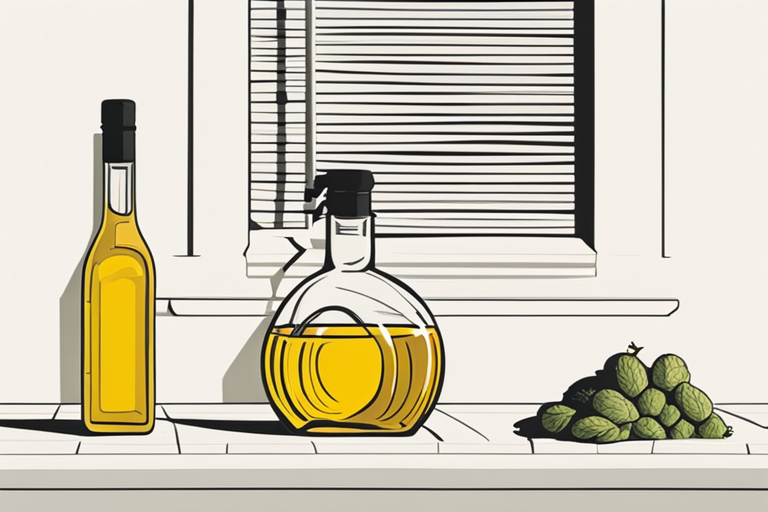
- Storage Conditions: Proper storage is crucial for maintaining the quality of vegetable oil. Keep it in a cool, dark place away from heat and light.
- Packaging: Oils stored in dark glass or metal containers are better protected from light and oxidation than oils in clear plastic bottles.
- Quality: High-quality oils tend to have a longer shelf life than lower-quality oils.
Proper Storage Tips for Unopened Vegetable Oil
To ensure that your unopened vegetable oil stays fresh for as long as possible, follow these storage tips:
Proper airflow and humidity control can significantly extend produce freshness. Many households use produce storage containers (Amazon) in the refrigerator to regulate moisture and slow spoilage.
1. Keep It Cool and Dark
- Store the vegetable oil in a cool, dark place like a pantry or cupboard away from heat sources like the stove or oven.
- Avoid storing the oil near windows or other sources of light, as light can cause the oil to degrade faster.
2. Seal it Tight
- Make sure the bottle is tightly sealed to prevent air and moisture from getting in and causing the oil to spoil.
3. Check the Expiry Date
- Before purchasing vegetable oil, check the expiry date to ensure that you are buying a fresh bottle with a longer shelf life.
4. Frequent Use Considerations
- If you use your vegetable oil frequently, consider buying smaller bottles to ensure you use them up before the oil has a chance to spoil. This can help maintain freshness and reduce waste.
Signs Your Unopened Vegetable Oil Has Gone Bad
While vegetable oil does not typically go bad quickly, there are some signs to look out for that indicate it may have gone rancid:
1. Off Odor
- If the oil has a sour or musty smell, it has likely gone bad.
2. Unusual Color or Texture
- Check for any changes in color or if the oil appears cloudy or thickened.
3. Taste Test
- If the oil tastes off or rancid, it is best to discard it.
common situation
Cooking Mishap
Imagine you're preparing a delicious stir-fry for a family dinner and reach for your trusty bottle of canola oil. You pour it in, and as it heats up, an unusual odor fills the kitchen. You realize you haven't used that bottle in months, and now you're left wondering if your dish is salvageable! This situation is a great reminder to check the smell and freshness of oils, especially for those that sit unused for a while.
Baking Challenge
Common situations include enthusiast who loves making homemade pastries every weekend. One day, they decide to whip up a batch of cookies using a bottle of vegetable oil they bought last year. Halfway through the mixing process, they notice the oil looks strange, and the cookies taste off. This could have been avoided with proper storage and regular checks on oil freshness!
Keeping produce organized can improve air circulation and cooling. refrigerator organizer bins (Amazon) help reduce overcrowding and maintain consistent refrigerator temperatures.
Salad Dressing Dilemma
You decide to make a homemade salad dressing for a summer barbecue, but after pouring in some olive oil, the dressing has a funky taste. You might be disappointed, but this situation serves as a reminder that even if oil looks fine, it’s essential to trust your senses. Regularly checking the freshness can save the day!
The Science of Vegetable Oil Preservation
Understanding the science behind vegetable oil can help demystify its shelf life and storage needs. Vegetable oils contain unsaturated fatty acids, which are more stable than saturated fats but can still oxidize over time, especially when exposed to light, heat, and air.
Oxidation Process
The oxidation process occurs when oil interacts with oxygen, leading to rancidity. This not only alters the flavor and aroma but can also produce harmful unpleasant flavors, odors, or reduced nutritional quality. Many people don't realize that oils can go rancid even before their expiration date if not stored correctly. This is why understanding the chemistry involved in oil preservation can help extend its life and maintain its quality.
Practical Tips for Oil Longevity
-
Filling: If you find yourself with partially used bottles of oil, consider transferring the oil into smaller containers. This reduces the air exposure for the remaining oil, keeping it fresher for longer.
-
Refrigeration: While most vegetable oils can be stored at room temperature, refrigeration can extend the shelf life of some oils like flaxseed and walnut oil, which are more prone to oxidation. Just remember that refrigeration may cause some oils to become cloudy; however, this does not affect quality.
-
Avoiding Contamination: Always use clean utensils when scooping oil out of the bottle. This will help prevent introducing bacteria and contaminants that could hasten spoilage.
Common Mistakes to Avoid
-
Ignoring Expiration Dates: Many people overlook the expiration date, assuming that oil can last indefinitely. Always check this date before purchase and periodically during storage.
-
Storing in Warm Areas: Storing oil next to heat sources like the stovetop is a common mistake. Instead, keep it in a cool, dark pantry.
-
Using Light Containers: Oils in clear plastic bottles are more susceptible to light exposure, which speeds up oxidation. Opt for oils in darker packaging when possible.
-
Believing Oil is Indestructible: Just because oil doesn’t show visible signs of spoilage doesn’t mean it’s still good to use. Always check for off smells and flavors.
Expert Insights
Food safety professionals recommend regularly rotating your cooking oils and maintaining an inventory. Keeping track of when you purchase oil can help you use the oldest bottles first. Additionally, consider jotting down the opening dates on bottles with a permanent marker to prevent using expired oil.
If you notice your oil smells or tastes off, it’s best to err on the side of caution and dispose of it. Many people don’t realize that rancid oil can not only ruin a meal but can also cause gastrointestinal distress.
Conclusion
In conclusion, unopened vegetable oil can last for an extended period if stored properly in a cool, dark place away from heat and light sources. By following the storage tips mentioned above and keeping an eye out for signs of spoilage, you can ensure that your vegetable oil remains fresh and of high quality for longer. Remember to check the expiry date before purchasing a new bottle of vegetable oil and always trust your senses if you suspect that the oil has gone bad. With the right practices, your cooking adventures will continue to be flavorful and safe!
Authoritative Food Safety References
These agencies and university labs inform every tip and health precaution we publish.
USDA FoodKeeper – Cold Storage Guidelines
Official refrigerator, freezer, and pantry timelines maintained by the U.S. Department of Agriculture.
Visit USDA FoodKeeperFDA Produce Safety Rule & Grower Guidance
Field-to-fridge handling practices that prevent contamination of fruits, vegetables, and leafy greens.
Visit FDA Produce SafetyCDC Foodborne Illness Prevention Hub
Surveillance-backed guidance on pathogens, symptoms, and steps to reduce foodborne illness risk.
Visit CDC Food SafetyUC Davis Postharvest Technology Center
University research detailing optimal storage atmospheres for produce after harvest.
Visit UC Davis PostharvestPenn State Extension – Home Food Preservation & Safety
Peer-reviewed extension bulletins on safe canning, chilling, and reheating practices.
Visit Penn State ExtensionFrequently Asked Questions
Can unopened vegetable oil go bad?
How should unopened vegetable oil be stored?
Can unopened vegetable oil be frozen?
How can I tell if unopened vegetable oil is still good to use?
Disclosure: As an Amazon Associate, we earn from qualifying purchases. This helps support our site and allows us to continue providing free food safety information.