How Long Does Sliced Deli Meat Last in the Fridge?
CanIEatExpired.com Team
# How Long Does Sliced Deli Meat Last in the Fridge?

When it comes to deli meat, many people enjoy the convenience and versatility it offers for quick meals and snacks. However, it's essential to understand how long sliced deli meat can safely be stored in the refrigerator to prevent foodborne illnesses. In this blog post, we will explore the shelf life of sliced deli meat, storage tips, and how to tell if it has gone bad.

## Understanding the Shelf Life of Sliced Deli Meat

Sliced deli meat typically has a relatively short shelf life compared to whole cuts of meat due to the increased surface area exposed to air and bacteria. The shelf life of sliced deli meat can vary depending on several factors, including the type of meat, preservatives used, packaging, and storage conditions. Here is a general guideline for how long different types of sliced deli meat can last in the fridge:

### Unopened Sliced Deli Meat

- **Vacuum-Sealed:** Vacuum-sealed deli meat can last in the refrigerator for up to 2 weeks.
- **Pre-Packaged:** Pre-packaged deli meat can last for 3-5 days in the refrigerator.

### Opened Sliced Deli Meat

- **Freshly Sliced:** Freshly sliced deli meat from the deli counter should be consumed within 3-5 days.
- **Packaged:** Once opened, packaged deli meat should be consumed within 3-5 days.

## Proper Storage Tips for Sliced Deli Meat

Proper storage is key to extending the shelf life of sliced deli meat and maintaining its quality and safety. Follow these tips to ensure your deli meat stays fresh for as long as possible:

### 1. Store at the Right Temperature

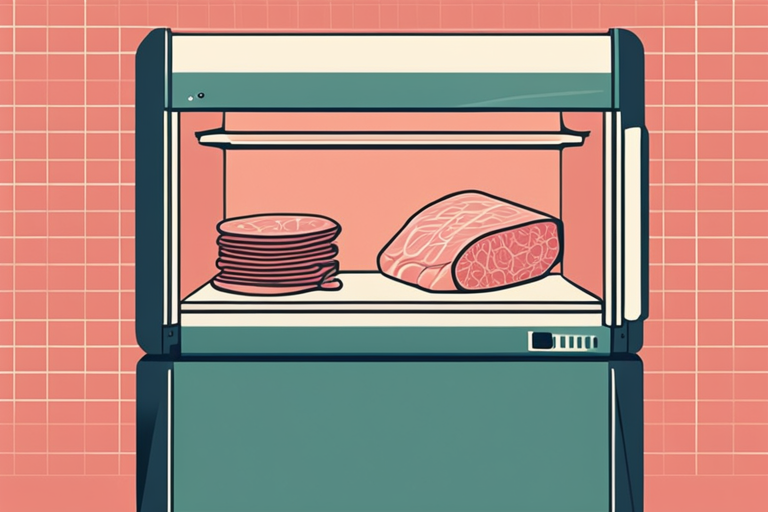
- Keep your refrigerator temperature at or below 40°F (4°C) to slow bacterial growth and preserve the quality of the deli meat.

### 2. Use Airtight Containers

- Transfer opened deli meat to airtight containers or resealable bags to prevent exposure to air and cross-contamination.

### 3. Keep Away from Raw Foods

- Store deli meat away from raw meats, seafood, and poultry to prevent the spread of bacteria.

### 4. Check the Use-By Date

- Always check the use-by date on the packaging and consume the deli meat before it expires.

### 5. Avoid Repeated Temperature Changes

- Minimize opening and closing the refrigerator door to maintain a consistent temperature and avoid temperature fluctuations that can accelerate spoilage.

## Signs that Sliced Deli Meat Has Gone Bad

It's crucial to be able to recognize the signs that sliced deli meat has gone bad to avoid consuming spoiled food. Here are some indicators that your deli meat may be unsafe to eat:

### 1. Foul Odor

- If the deli meat has a sour, ammonia-like, or off smell, it is a sign that it has spoiled.

### 2. Slimy Texture

- Spoiled deli meat may develop a slimy or sticky texture, indicating bacterial growth.

### 3. Discoloration

- If the deli meat has changed color, developed dark spots, or appears dull, it is best to discard it.

### 4. Mold Growth

- Visible mold on deli meat is a clear sign of spoilage, and the entire product should be discarded.

## common situation

Imagine preparing for a picnic, and you grab a pack of sliced turkey from the fridge without a second thought. You spread it onto your favorite bread, add lettuce and tomato, and enjoy a delightful sandwich in the sun. But what if you didn't check the deli meat's freshness? One moment of oversight could lead to a foodborne illness, a situation no one wants during a fun day out.

Here’s another situation: you come home from work, exhausted, and opt for a quick late-night snack. You reach for that half-open package of ham lurking in the fridge, unaware it’s been hanging out for a week. Being tired, you might not notice the slight discoloration or faint odor. The next day, you’re regretting that quick fix, which could have been avoided with a proper check.

Lastly, Common situations include mom who makes a weekly meal prep plan. She carefully labels her deli meat with the date and places it in the fridge, ensuring it stays fresh throughout the week. This habit not only helps her family avoid spoilage but also saves her time and effort in the kitchen.

## Scientific Context

Sliced deli meats are often processed meats, which means they can contain preservatives such as nitrates and nitrites. These compounds help extend shelf life but also raise health concerns regarding consumption levels. Studies suggest that consuming high amounts of processed meats can be linked to health issues, including increased risk of certain cancers.

The reason behind the shorter shelf life of deli meats is primarily due to their exposure to air, which can lead to oxidation and spoilage. Bacteria such as Listeria monocytogenes can thrive in cold environments if food is not stored or handled correctly. It's crucial to pay attention to how you store your deli meat, as improper storage can lead to rapid bacterial growth.

## Practical Tips for Keeping Deli Meat Fresh

- **Buy Smaller Portions**: If you find yourself throwing away deli meat more often than not, consider purchasing smaller quantities or opting for a deli counter where you can request just what you need.

- **Freeze for Extended Shelf Life**: If you’ve bought more deli meat than you can consume within the recommended time frame, consider freezing portions. Wrap them tightly in plastic wrap or aluminum foil, then place them in a freezer-safe bag. Properly stored, deli meat can last in the freezer for 1-2 months.

- **Label Everything**: When you store deli meat, especially if it’s opened, label it with the date of purchase or the date it was opened. This simple step can help you track freshness and avoid any unpleasant surprises.

## Common Mistakes People Make

- **Ignoring Raw Meat Contamination**: A common mistake is storing deli meats too close to raw meats. This can lead to cross-contamination, where bacteria from raw products can transfer to ready-to-eat foods. Always keep your deli meats on the top shelves of the fridge, away from raw meats and juices.

- **Relying Solely on Expiry Dates**: Many people assume that food is safe to eat right up until the expiry date. However, the quality can diminish before this date. Always rely on your senses—smell, sight, and texture.

- **Using the Same Utensil**: If you’re using the same knife or cutting board for deli meat as you did for raw meats, you’re risking contamination. Always use separate utensils to maintain hygienic practices.

## Expert Insights

Food safety experts recommend always erring on the side of caution when it comes to deli meats. Food safety guidance from public health agencies, a food safety researcher, emphasizes the importance of proper handling and storage. She states, “Many people don’t realize that the way we store our food is just as important as the food itself. Deli meats can be high-risk if not handled properly. Always prioritize cleanliness and storage techniques.”

It’s also wise to consider the type of deli meat you're purchasing. Options like turkey and chicken often have lower sodium levels compared to other processed meats, which can be a healthier choice. Make sure to look for brands that are free from artificial preservatives and fillers for a healthier option.

## Safety Warnings and Important Considerations

- **High-Risk Groups**: Certain individuals are at a higher risk for foodborne illnesses, including pregnant women, young children, the elderly, and those with compromised immune systems. It’s especially important for these groups to be vigilant about the freshness and safety of deli meats.

- **Foodborne Illness Symptoms**: Be aware of symptoms that arise from foodborne illnesses, which can include nausea, vomiting, diarrhea, and severe abdominal cramps. If you suspect that you’ve consumed spoiled deli meat and begin experiencing symptoms, seek medical attention promptly.

## Conclusion

In conclusion, sliced deli meat can be a convenient and delicious addition to your meals, but it's essential to store it properly and be mindful of its shelf life. By following the storage tips mentioned in this blog post and being aware of the signs of spoilage, you can enjoy sliced deli meat safely and minimize the risk of foodborne illnesses. Remember to always practice good food safety habits to protect yourself and your loved ones.

For more information on food safety and storage, check out the [USDA Food Safety and Inspection Service](https://www.fsis.usda.gov/) website. Stay safe and enjoy your deli meat responsibly!
Authoritative Food Safety References
These agencies and university labs inform every tip and health precaution we publish.
USDAOfficial guidance
USDA FoodKeeper – Cold Storage Guidelines
Official refrigerator, freezer, and pantry timelines maintained by the U.S. Department of Agriculture.
Visit USDA FoodKeeperFDAOfficial guidance
FDA Produce Safety Rule & Grower Guidance
Field-to-fridge handling practices that prevent contamination of fruits, vegetables, and leafy greens.
Visit FDA Produce SafetyCDCOfficial guidance
CDC Foodborne Illness Prevention Hub
Surveillance-backed guidance on pathogens, symptoms, and steps to reduce foodborne illness risk.
Visit CDC Food SafetyResearchUniversity research
UC Davis Postharvest Technology Center
University research detailing optimal storage atmospheres for produce after harvest.
Visit UC Davis PostharvestResearchUniversity research
Penn State Extension – Home Food Preservation & Safety
Peer-reviewed extension bulletins on safe canning, chilling, and reheating practices.
Visit Penn State Extension❓
Frequently Asked Questions
How long can sliced deli meat last in the fridge?
Sliced deli meat can typically last in the fridge for 3-5 days if stored properly in an airtight container. It is important to check for any signs of spoilage, such as off smells or slimy texture, before consuming.
Can I freeze sliced deli meat to extend its shelf life?
Yes, you can freeze sliced deli meat to extend its shelf life. Simply place the slices in a freezer-safe bag or container and store them for up to 2-3 months. Thaw the meat in the fridge before consuming.
How can I tell if sliced deli meat has gone bad?
Signs that sliced deli meat has gone bad include a sour or off smell, slimy texture, or discoloration. If you notice any of these signs, it is best to discard the meat to avoid the risk of foodborne illness.
Can I eat sliced deli meat past its expiration date?
It is not recommended to eat sliced deli meat past its expiration date. Expiration dates are put in place for food safety reasons, and consuming expired deli meat can increase the risk of foodborne illness.
What is the best way to store sliced deli meat in the fridge?
The best way to store sliced deli meat in the fridge is to keep it in an airtight container or resealable bag to prevent exposure to air and moisture. Make sure to place the meat on the bottom shelf of the fridge to avoid cross-contamination with other foods.
Disclosure: As an Amazon Associate, we earn from qualifying purchases. This helps support our site and allows us to continue providing free food safety information.
Our articles are created using a combination of AI assistance and human review. All food safety information is based on USDA guidelines and credible sources. Learn more about our review process here.