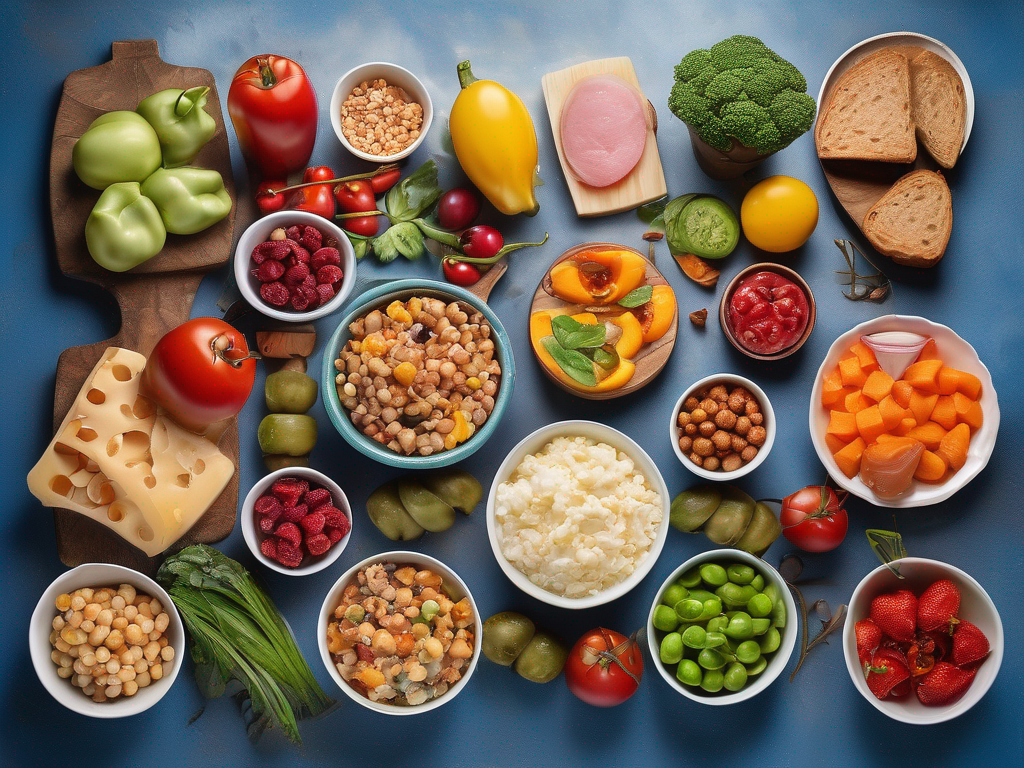
How Long Does Shredded Cheese Last After the Expiration Date?
CanIEatExpired.com Team
# How Long Does Shredded Cheese Last After the Expiration Date?

When it comes to shredded cheese, many of us have found ourselves in a situation where the expiration date has passed, and we're left wondering if it's still safe to eat. In this blog post, we will explore how long shredded cheese can last after the expiration date, how to properly store it, and important food safety tips to keep in mind.

## Understanding Expiration Dates on Shredded Cheese

Before diving into the topic of how long shredded cheese lasts after the expiration date, it's essential to understand what expiration dates actually mean. Expiration dates on food products, including shredded cheese, indicate the manufacturer's estimate of how long the product will retain its peak quality. It's important to note that expiration dates are not always a strict indicator of food safety.

### Factors Affecting the Shelf Life of Shredded Cheese

Several factors can influence the shelf life of shredded cheese, even after the expiration date has passed. Some of the key factors to consider include:

- **Storage Conditions:** Proper storage is crucial in extending the shelf life of shredded cheese.
- **Type of Cheese:** Different types of cheese have varying shelf lives.
- **Packaging:** The quality of the packaging can impact the cheese's freshness.
- **Contamination:** Cross-contamination can affect the cheese's safety.

## How Long Can Shredded Cheese Last After Expiration?

While it's always best to adhere to the expiration date on shredded cheese, the reality is that cheese can often be safe to eat beyond that date. Here are some general guidelines on how long shredded cheese can last after the expiration date:

### Soft Cheeses (e.g., mozzarella, cheddar)

Soft cheeses like mozzarella and cheddar typically have a shorter shelf life compared to hard cheeses. After the expiration date, soft shredded cheese can last for:

- **Refrigerator (unopened):** 1-2 weeks
- **Refrigerator (opened):** 1 week
- **Freezer:** 1-2 months

### Hard Cheeses (e.g., Parmesan, Romano)

Hard cheeses have a longer shelf life due to their lower moisture content. After the expiration date, hard shredded cheese can last for:

- **Refrigerator (unopened):** 2-3 weeks
- **Refrigerator (opened):** 1-2 weeks
- **Freezer:** 2-6 months

### Pre-Shredded vs. Freshly Shredded Cheese

Pre-shredded cheese often contains preservatives that can extend its shelf life compared to freshly shredded cheese. However, freshly shredded cheese tends to have better flavor and texture. When determining how long shredded cheese can last after the expiration date, consider whether the cheese is pre-shredded or freshly shredded.

## common situation

Imagine it's a busy Tuesday night, and you’re craving a quick pasta dish. You rummage through your fridge and find a bag of shredded cheese that expired a week ago. You hesitate, thinking about the sauce and noodles that are nearly ready. Many people find themselves in this situation, and it’s important to know what to do. Generally, if the cheese looks and smells fine, it might still be good to use.

Consider another example: A mom makes a big batch of nachos for her kids on a Friday night. After the party, she puts the leftover shredded cheese back into the fridge. The next day, she remembers that the cheese expired two weeks prior. In this case, she should check for any signs of spoilage, like mold or a sour smell, before deciding whether to toss it or use it in a hearty casserole.

Lastly, think about someone who enjoys meal prepping on Sundays. They buy a large bag of pre-shredded cheese, portion it out into smaller containers, and freeze them for the week ahead. A week later, they realize their cheese was a couple of days past the expiration date. Knowing how to properly thaw and check the cheese can make all the difference in whether they enjoy their planned meals or have to start from scratch.

### Additional common situation

Let’s add another relatable situation to the mix. Picture this: it’s a chilly Saturday afternoon, and you’ve decided to whip up a comforting mac and cheese. You find a bag of shredded cheese that expired just a few days ago. You remember that your friend once told you cheese could be fine even after its expiration date if it looks and smells okay. You decide to proceed but are unsure. To be cautious, you taste a small bit before adding it to your dish. The flavor is still good, and there’s no off smell, so you go ahead and enjoy your meal without worry.

Another situation involves a college student who lives on a tight budget. They purchased a large bag of shredded cheese during a sale, but with a busy schedule, they often forget to use it. When they finally remember, it’s a week past the expiration date. With a bit of research, they learn that as long as there are no visible signs of spoilage, they can still use it in their quesadilla recipe. This knowledge allows them to avoid food waste and enjoy a delicious meal.

## Proper Storage Tips for Shredded Cheese

To maximize the shelf life of shredded cheese and ensure food safety, proper storage is key. Here are some essential tips for storing shredded cheese:

1. **Refrigerate Promptly:** Always refrigerate shredded cheese promptly to prevent bacterial growth.
2. **Use Airtight Containers:** Transfer the cheese to an airtight container or resealable bag to maintain freshness.
3. **Avoid Temperature Fluctuations:** Store shredded cheese in the coldest part of the refrigerator to prevent temperature fluctuations.
4. **Check for Spoilage:** Discard shredded cheese if you notice any mold, off smells, or sliminess.

### Additional Storage Techniques

For those who want to extend the life of their shredded cheese even further, consider vacuum sealing. Vacuum sealing removes air, which can help prevent mold growth and freezer burn. If you don’t have a vacuum sealer, pressing out as much air as possible from a resealable bag can also help.

Also, some cheese enthusiasts recommend portioning out your cheese into smaller bags or containers for freezing. This way, you can take out only what you need for a specific recipe, reducing the chance of thawing and refreezing, which can degrade quality.

### Creative Storage Ideas

Beyond the basics, there are creative ways to store shredded cheese that many people may not think of. For example, consider adding a small piece of bread in an airtight container with your shredded cheese. The bread will absorb moisture, helping to keep the cheese fresher for longer. Just remember to replace the bread if it becomes stale.

If you’re feeling particularly organized, label your containers with the date you opened them. This way, you’ll always know how long they’ve been stored, making it easier to decide what to use first.

## Food Safety Tips for Handling Shredded Cheese

In addition to proper storage, following food safety guidelines when handling shredded cheese is crucial in preventing foodborne illnesses. Here are some important food safety tips to keep in mind:

- **Wash Hands:** Always wash your hands before and after handling shredded cheese.
- **Avoid Cross-Contamination:** Use separate cutting boards and utensils for cheese to prevent cross-contamination.
- **Cook Thoroughly:** Ensure that shredded cheese is melted or cooked thoroughly before consuming.
- **Monitor Storage Temperature:** Keep a thermometer in the refrigerator to monitor the temperature and ensure it stays below 40°F (4°C).

### Common Mistakes

One common mistake people make is not paying attention to the signs of spoilage. Just because the cheese is past its expiration date doesn’t mean it’s automatically bad. However, many individuals still throw away perfectly good cheese simply because they overlook checking for visual or olfactory cues.

Another frequent oversight is improperly sealing the packaging. Many people believe that simply resealing the original package is enough, but if air gets in, it can lead to faster spoilage.

Lastly, some folks might mistakenly think that freezing cheese will ruin its texture. While it may change slightly, properly frozen shredded cheese can still be a great addition to recipes, especially when melted.

### Mistakes in Thawing Process

Many people don’t realize that how they thaw frozen shredded cheese can also impact its quality. Thawing cheese at room temperature can encourage bacteria growth, so it's always better to thaw it in the refrigerator or use it directly from frozen in cooked dishes. This way, you maintain better flavor and texture while ensuring food safety.

## Expert Insights

Professional food safety experts recommend that consumers always err on the side of caution when it comes to food. If you’re ever in doubt about the safety of your cheese, it’s best to discard it. They emphasize that while cheese generally has a good shelf life, knowing how to assess it wisely can help avoid unnecessary waste and potential health risks.

It's also worth noting that some cheeses, particularly those with added seasoning or flavoring, may spoil quicker than plain varieties. Always check the specifics on the packaging, as it could affect how long you can safely consume the cheese.

Additionally, consider consulting local food safety guidelines, as recommendations may vary based on regional regulations and practices. As a general rule, trust your senses; if it smells off or looks questionable, it’s best to play it safe.

## Conclusion

In conclusion, while it's important to be mindful of expiration dates on shredded cheese, it's equally crucial to understand that cheese can often remain safe to eat beyond that date. By following proper storage practices, being aware of food safety guidelines, and using your best judgment, you can safely enjoy shredded cheese even after the expiration date has passed.

Remember, when in doubt, it's always better to err on the side of caution and discard the cheese if you have any concerns about its safety. Stay informed, stay safe, and savor your favorite shredded cheeses responsibly.
Authoritative Food Safety References
These agencies and university labs inform every tip and health precaution we publish.
USDAOfficial guidance
USDA FoodKeeper – Cold Storage Guidelines
Official refrigerator, freezer, and pantry timelines maintained by the U.S. Department of Agriculture.
Visit USDA FoodKeeperFDAOfficial guidance
FDA Produce Safety Rule & Grower Guidance
Field-to-fridge handling practices that prevent contamination of fruits, vegetables, and leafy greens.
Visit FDA Produce SafetyCDCOfficial guidance
CDC Foodborne Illness Prevention Hub
Surveillance-backed guidance on pathogens, symptoms, and steps to reduce foodborne illness risk.
Visit CDC Food SafetyResearchUniversity research
UC Davis Postharvest Technology Center
University research detailing optimal storage atmospheres for produce after harvest.
Visit UC Davis PostharvestResearchUniversity research
Penn State Extension – Home Food Preservation & Safety
Peer-reviewed extension bulletins on safe canning, chilling, and reheating practices.
Visit Penn State ExtensionDisclosure: As an Amazon Associate, we earn from qualifying purchases. This helps support our site and allows us to continue providing free food safety information.
Our articles are created using a combination of AI assistance and human review. All food safety information is based on USDA guidelines and credible sources. Learn more about our review process here.