
How Long Does Juice Last After the Expiration Date?
How Long Does Juice Last After the Expiration Date?
How Long Does Juice Last After the Expiration Date?
When it comes to food safety, understanding expiration dates is crucial. This is especially true for perishable items like juice. In this blog post, we will explore the shelf life of juice after its expiration date and provide practical tips for ensuring its safety.
Understanding Expiration Dates on Juice Bottles
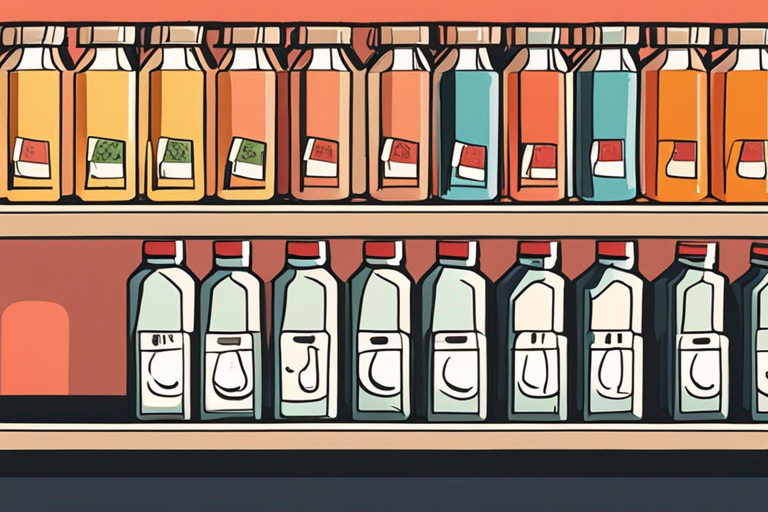
Juice bottles typically come with expiration dates printed on the packaging. These dates indicate the last day the manufacturer guarantees the product's quality and freshness. It's important to note that expiration dates are not always a strict indicator of when the product will spoil. They are more of a guideline for optimal quality.
Factors Affecting Juice Shelf Life
Several factors can influence how long juice lasts after its expiration date, including:
Proper airflow and humidity control can significantly extend produce freshness. Many households use produce storage containers (Amazon) in the refrigerator to regulate moisture and slow spoilage.
- Type of Juice: Different types of juice (e.g., citrus, apple, vegetable) have varying shelf lives.
- Storage Conditions: Proper storage is crucial for extending the shelf life of juice.
- Packaging: Sealed bottles or cartons are likely to last longer than those exposed to air.
- Additives: Some juices contain preservatives that can extend their shelf life.
How Long Can You Keep Juice After the Expiration Date?
While it's always best to follow the manufacturer's guidelines, juice can often be consumed safely after the expiration date. Here are some general guidelines for common types of juice:
Freshly Squeezed Juice
- Refrigerator: Freshly squeezed juice can last 2-3 days in the refrigerator.
- Freezer: It can be frozen for up to 3 months.
Store-Bought Bottled Juice
- Unopened Bottles: Store-bought juice can be consumed up to 1 week after the expiration date if unopened.
- Opened Bottles: Once opened, consume within 7-10 days for best quality.
Shelf-Stable Juice Boxes
- Unopened Boxes: Shelf-stable juice can last several months beyond the expiration date if stored in a cool, dark place.
- Opened Boxes: Consume within 7-10 days after opening.
Tips for Safely Consuming Expired Juice
While it is possible to consume juice after the expiration date, it's essential to follow these tips to ensure its safety:
- Check for Signs of Spoilage: Inspect the juice for any off-putting odors, flavors, or mold.
- Refrigerate Properly: Always store juice in the refrigerator to slow down bacterial growth.
- Use Clean Glasses: When pouring juice, make sure to use clean glasses to prevent contamination.
- Avoid Cross-Contamination: Keep juice away from raw foods to prevent cross-contamination.
- Trust Your Instincts: If in doubt, it's best to discard the juice to avoid foodborne illness.
common situation: When to Use Your Judgment
Many of us have found ourselves in situations where we’re faced with the dilemma of whether to drink juice that’s past its expiration date. Here are a couple of relatable situation:
Keeping produce organized can improve air circulation and cooling. refrigerator organizer bins (Amazon) help reduce overcrowding and maintain consistent refrigerator temperatures.
The Sunday Brunch Surprise
Imagine it's a beautiful Sunday morning, and you've planned a lovely brunch for friends. You pull out a bottle of orange juice from the back of your fridge, ready to whip up some mimosas. As you glance at the expiration date, you see it’s two days past. You remember that your grandmother used to say, “A little bit past the date won’t hurt,” but you also want to keep everyone safe.
In this case, you could open the bottle, smell it, and take a little sip. If it smells and tastes fine, you might decide to serve it. But if there's any hesitation, it’s better to grab a fresh bottle. After all, no one wants to spend their Sunday in bed sick!
The Kids’ Lunchbox Dilemma
Picture this: you’re packing your child’s lunch for school, and you find a juice box at the back of the pantry. It’s a little beyond the expiration date, but it’s unopened and stored in a cool, dry place. You’re torn; should you toss it or pack it?
If the juice box looks fine, and you trust that it’s been stored correctly, you may feel comfortable including it. However, it’s a good idea to check for any bulging packaging or leaks, which could indicate spoilage. If you have any doubts, it’s best to err on the side of caution and provide a fresh option.
Scientific Context: Understanding Juice Preservation
To truly grasp how long juice lasts after its expiration date, it’s helpful to understand the science behind juice preservation. The primary reason juice can sometimes remain consumable after the expiration date is due to the acidity and sugar levels present in the juice.
Acidity Levels
Citrus juices, for instance, have a higher acidity level, which acts as a natural preservative. The lower the pH level of the juice, the more hostile the environment becomes for bacteria and molds, allowing it to last longer. Juices like apple juice have a higher sugar content, which can also inhibit microbial growth.
Pasteurization Processes
Many commercially produced juices undergo pasteurization, a process where juice is heated to kill harmful bacteria and pathogens. This method can extend the shelf life significantly, allowing juice to remain safe to drink even past its expiration date if stored properly.
Practical Tips for Optimal Juice Storage
To maximize the freshness and safety of your juice, here are some additional storage methods you might not have considered:
Storing Fresh Juice
- Use Airtight Containers: If you squeeze your juice at home, store it in glass or BPA-free plastic containers with tight-fitting lids to minimize exposure to air.
- Fill to the Brim: When storing juice, fill containers to the top to limit the amount of air inside, which can cause oxidation.
Keeping Bottled Juice Fresh
- Keep It Cold: Always store unopened juice in the refrigerator. For opened juice, make sure it’s capped tightly to keep it from absorbing odors from other food.
- Avoid Temperature Fluctuations: Don’t leave juice out for extended periods, especially in warm places. Quick temperature changes can spoil the juice faster.
Freezing Juice
- Ice Cube Trick: Consider freezing leftover juice in ice cube trays. This way, you can easily add a splash to smoothies or other beverages without having to thaw an entire bottle.
- Label and Date: Always label your containers with the date so you can keep track of how long it’s been in the freezer.
Common Mistakes: What to Avoid
When it comes to juice and expiration dates, there are several common mistakes people make that can lead to unnecessary waste or food safety risks:
- Ignoring Signs of Spoilage: Many people assume that juice is fine as long as it’s not past the printed date. However, failing to check for off-odors or visible signs of spoilage can lead to unpleasant surprises.
- Not Storing Properly: Some folks might leave juice on the counter or in the pantry, thinking it’s shelf-stable. Always store juice in the refrigerator once opened, unless it’s a shelf-stable product.
- Using Old Juice in Recipes: Some might think that they can use expired juice in cooking or baking without consequences. While heat can kill bacteria, it doesn’t eliminate all risks. Always be cautious.
Expert Insights: Recommendations from Food Safety Professionals
Food safety experts consistently highlight the importance of being cautious with expired products. According to the USDA, “The best way to determine if a product is safe to eat is to use your senses.” This means:
- Smell and Taste Tests: If the juice smells off or has an unusual color, it’s better to throw it out rather than risk foodborne illness.
- Use-by Dates vs. Best-by Dates: Understand the difference. Best-by dates indicate quality, while use-by dates indicate safety. When in doubt, lean towards safety.
Safety Warnings: Important Cautions to Consider
While enjoying juice past its expiration date can be safe under certain conditions, there are vital considerations to keep in mind:
- Children and Pregnant Women: These groups are more susceptible to foodborne illnesses. It’s best to avoid consuming expired products altogether in these cases.
- Compromised Immune Systems: Individuals with weakened immune systems should also be cautious. If you're unsure about the safety of juice, it’s prudent to discard it.
- Don’t Rely Solely on Dates: Expiration dates are guidelines, but your senses should be the final judge. Always prioritize your health and safety over the desire to avoid waste.
Conclusion
In conclusion, juice can often be consumed safely after the expiration date if stored properly and showing no signs of spoilage. However, it's crucial to use your best judgment and follow food safety guidelines to prevent foodborne illness. By understanding expiration dates and practicing proper storage techniques, you can enjoy your favorite juice safely even after it has technically expired. Remember, when in doubt, it's always better to err on the side of caution.
Authoritative Food Safety References
These agencies and university labs inform every tip and health precaution we publish.
USDA FoodKeeper – Cold Storage Guidelines
Official refrigerator, freezer, and pantry timelines maintained by the U.S. Department of Agriculture.
Visit USDA FoodKeeperFDA Produce Safety Rule & Grower Guidance
Field-to-fridge handling practices that prevent contamination of fruits, vegetables, and leafy greens.
Visit FDA Produce SafetyCDC Foodborne Illness Prevention Hub
Surveillance-backed guidance on pathogens, symptoms, and steps to reduce foodborne illness risk.
Visit CDC Food SafetyUC Davis Postharvest Technology Center
University research detailing optimal storage atmospheres for produce after harvest.
Visit UC Davis PostharvestPenn State Extension – Home Food Preservation & Safety
Peer-reviewed extension bulletins on safe canning, chilling, and reheating practices.
Visit Penn State ExtensionFrequently Asked Questions
Can I still drink juice after the expiration date?
How long can juice last past the expiration date?
How can I tell if juice has gone bad?
Can I extend the shelf life of juice by refrigerating it?
Is it safe to freeze juice to prolong its shelf life?
Citations
Disclosure: As an Amazon Associate, we earn from qualifying purchases. This helps support our site and allows us to continue providing free food safety information.