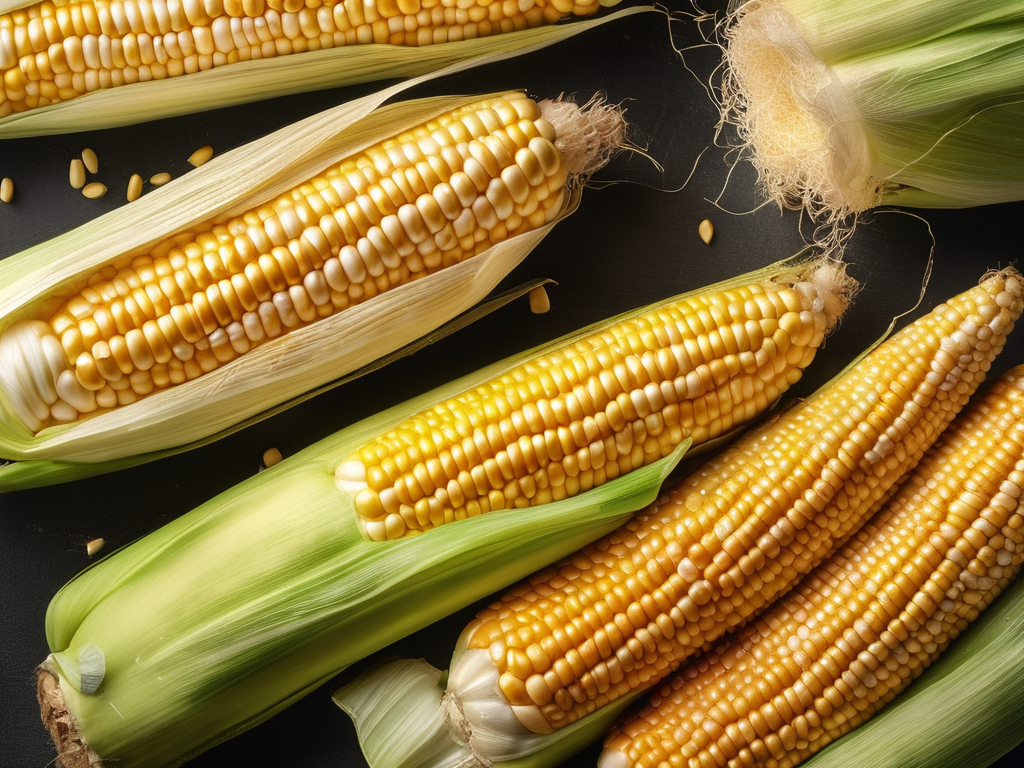
How Long Does Frozen Corn Last in the Freezer?
CanIEatExpired.com Team
# How Long Does Frozen Corn Last in the Freezer?

## Comprehensive Guide to Corn: Food Safety, Storage, and Shelf Life

Corn is a versatile and popular ingredient enjoyed in various forms, including corn nuts and frozen corn. Understanding the expiration, storage, and shelf life of corn products is essential to ensure their quality, safety, and flavor. In this comprehensive guide, we will explore the best practices for storing corn nuts and frozen corn, tips for maintaining their quality, and insights into their shelf life. Let's delve into the world of corn and discover how to make the most of this delicious and nutritious ingredient.

## Corn Nuts: Expiration, Food Safety, and Storage

### What are Corn Nuts?

Corn nuts, also known as toasted corn or corn bits, are crunchy and flavorful snacks made from roasted or deep-fried whole corn kernels. Seasoned with various flavors like salt, chili, or lime, corn nuts are enjoyed by individuals of all ages as a standalone snack or as an addition to trail mixes.

### Understanding Expiration Dates

The expiration date on the packaging of corn nuts indicates the last day the product is guaranteed to be at its peak quality. Factors such as storage conditions, packaging, and the quality of ingredients can influence the shelf life of corn nuts. Proper storage in a cool, dry place away from sunlight can extend the shelf life of unopened corn nuts for several months to a year.

### Signs of Spoilage and Proper Storage Tips

To determine if corn nuts have expired or spoiled, look out for off odors, changes in texture, or mold growth. Proper storage tips include keeping corn nuts in a cool, dry pantry, sealing the packaging tightly, avoiding exposure to air, and regularly checking for signs of spoilage.

## Frozen Corn: Shelf Life, Storage, and Quality Maintenance

### Understanding the Shelf Life of Frozen Corn

Frozen corn can last for an extended period if stored properly. Store-bought frozen corn typically lasts up to 12 months in the freezer, while home-frozen corn can maintain its quality for about 8 to 12 months. Once a package of frozen corn is opened, it is recommended to consume it within 6 to 8 months for the best quality.

### Best Practices for Storing Frozen Corn

Proper storage of frozen corn involves transferring it into airtight containers or resealable freezer bags to prevent freezer burn. Maintaining a constant freezer temperature of 0°F (-18°C) or lower, organizing frozen corn in a single layer, and labeling packages with the date of freezing and contents are essential practices.

### Tips for Maintaining Quality

To preserve the flavor and texture of frozen corn, consider pre-treating fresh corn by blanching before freezing, thawing it slowly in the refrigerator overnight, and incorporating it into various dishes without refreezing to maintain quality and safety.

## common situation: The Importance of Proper Storage

To illustrate the importance of following these guidelines, let’s Common situations include of common situation.

### situation 1: The Family BBQ

Imagine it's summer, and you’re hosting a family BBQ. You decide to use some frozen corn in your corn salad. You pull out a bag from the back of your freezer, only to find it’s been there for over a year. You check for freezer burn and find some ice crystals and discoloration. Instead of using it, you remember the tips you read about maintaining quality and decide to go for a fresh bag from the store. In this case, your family enjoys a delicious salad without the risk of compromising flavor.

### situation 2: The Busy Parent

Common situations include parent who often uses frozen corn to whip up quick meals. One night, they reach into the freezer, grab a bag that’s been opened for a few months, and toss it into a stir-fry. Just as they’re about to serve dinner, they notice off odors. Instead of serving it, they recall the importance of checking for spoilage. This simple act protects their family from potential foodborne illness, demonstrating how being mindful of storage and quality can make a big difference.

### situation 3: The Meal Prepper

A meal prepper spends Sunday afternoons preparing healthy meals for the week ahead. When they’re making a vegetable medley to accompany grilled chicken, they reach for the frozen corn they bought months ago. They remember to check the bag for any signs of freezer burn. Upon confirming it looks good, they add it to their mixture, ensuring they avoid waste and enjoy the convenience of having nutritious ingredients ready to go.

## Scientific Context: The Science of Freezing Corn

Freezing corn is more than just a method of preservation; it’s a process that affects the texture and flavor of the kernels. When corn is blanched before freezing, enzymes that can degrade quality are inactivated. This process helps maintain the sweet flavor and appealing texture of the kernels.

Additionally, the freezing process creates ice crystals within the corn kernels. When done correctly, these crystals are small enough that they do not damage the cellular structure of the corn. This is why it’s crucial to freeze corn in single layers and ensure it is stored at a consistent temperature. When corn is thawed properly, it retains much of its original flavor and nutritional content.

Moreover, corn is rich in vitamins and minerals such as vitamin C, B vitamins, and potassium. Nutritionally, frozen corn retains most of its nutrients compared to fresh corn that has been stored for several days. This makes frozen corn not only a convenient option but a healthy one as well!

## Practical Tips for Freezing and Storing Corn

- **Blanching:** Before freezing fresh corn, blanch it in boiling water for 2-4 minutes, then immediately plunge it into ice water to stop the cooking process. This step enhances flavor and texture.

- **Portioning:** If you know you’ll only need a cup of corn for a recipe, consider portioning the corn into smaller bags or containers before freezing. This way, you only thaw what you need, reducing waste.

- **Avoid Refreezing**: Once corn has been thawed, it's generally not recommended to refreeze it. The quality will deteriorate, and it may lead to food safety issues if it has been sitting at room temperature for too long.

### More Storage Techniques

- **Vacuum Sealing**: For the optimal preservation of frozen corn, consider vacuum sealing. This process removes air from the packaging, which can significantly reduce the chance of freezer burn and preserve flavor.

- **Using Freezer-Safe Containers**: Many people don't realize that not all containers are suitable for freezing. Look for containers labeled "freezer-safe" to ensure they can withstand low temperatures without cracking or breaking.

- **Layering Corn on Baking Sheets**: Before transferring it to bags, lay the blanched corn on a baking sheet in a single layer. Freeze it for a couple of hours and then transfer it to bags. This method prevents clumping.

## Common Mistakes to Avoid

1. **Not Blanching Fresh Corn**: Many people skip this step, thinking it’s unnecessary. However, not blanching corn can lead to loss of flavor and texture upon thawing.

2. **Leaving Packages Unsealed**: Failing to properly seal bags can cause freezer burn, which affects texture and taste. Always ensure your bags or containers are airtight.

3. **Overcrowding the Freezer**: When items are tightly packed, they can take longer to freeze, causing larger ice crystals to form, which negatively impacts the texture of your corn.

4. **Ignoring Expiration Dates**: Many assume that frozen foods last indefinitely. While freezing extends shelf life, it’s important to adhere to recommended storage periods for optimal taste and safety.

## Expert Insights: Recommendations from Food Safety Specialists

Food safety experts recommend regularly checking your frozen items and adhering to a good rotation system. By organizing your freezer and placing older items at the front, you’re less likely to forget about them until they’ve deteriorated. It’s also advisable to keep a list of what’s in your freezer and their respective freeze dates, as this simple practice can help you maintain overall food quality and minimize waste.

Many experts also suggest setting reminders on your phone for when it's time to check on your frozen foods. This little hack can keep you informed about what's still good to use and what's nearing its expiration.

## Safety Warnings: Important Considerations

While frozen corn and corn nuts can be safe to eat beyond their recommended shelf life if stored properly, it’s crucial to be vigilant about signs of spoilage. For frozen corn, look for discoloration, off smells, or an unusual texture after thawing. As for corn nuts, any changes in crunchiness or an off-putting smell are strong indicators that they should not be consumed. When in doubt, it’s always better to err on the side of caution and discard any potentially spoiled food items.

Additionally, if you've thawed frozen corn using the microwave, it’s important to cook it immediately. This prevents bacteria from growing in any warm spots that may occur during the thawing process.

## Review and Credibility

This comprehensive guide provides valuable insights into the expiration, storage, and shelf life of corn nuts and frozen corn. By understanding the factors that influence the freshness of corn products and following recommended storage practices, you can enjoy delicious and safe corn snacks and ingredients. Always check for signs of spoilage before consuming corn products and discard any packages that show indications of being expired. Stay informed, stay safe, and savor the flavors of corn in your favorite recipes.

For more information on corn and other food storage tips, visit our [corn](/food/corn) page. Enjoy the convenience of having corn snacks and ingredients on hand while ensuring food safety and freshness.
Authoritative Food Safety References
These agencies and university labs inform every tip and health precaution we publish.
USDAOfficial guidance
USDA FoodKeeper – Cold Storage Guidelines
Official refrigerator, freezer, and pantry timelines maintained by the U.S. Department of Agriculture.
Visit USDA FoodKeeperFDAOfficial guidance
FDA Produce Safety Rule & Grower Guidance
Field-to-fridge handling practices that prevent contamination of fruits, vegetables, and leafy greens.
Visit FDA Produce SafetyCDCOfficial guidance
CDC Foodborne Illness Prevention Hub
Surveillance-backed guidance on pathogens, symptoms, and steps to reduce foodborne illness risk.
Visit CDC Food SafetyResearchUniversity research
UC Davis Postharvest Technology Center
University research detailing optimal storage atmospheres for produce after harvest.
Visit UC Davis PostharvestResearchUniversity research
Penn State Extension – Home Food Preservation & Safety
Peer-reviewed extension bulletins on safe canning, chilling, and reheating practices.
Visit Penn State Extension❓
Frequently Asked Questions
How long can frozen corn be stored in the freezer?
Frozen corn can typically be stored in the freezer for up to 8-12 months. To ensure the best quality, make sure to store it in airtight containers or freezer bags to prevent freezer burn.
Can frozen corn go bad?
Yes, frozen corn can go bad if it is stored for too long or not properly sealed in the freezer. Signs of spoiled frozen corn include freezer burn, off smells, or a change in texture. It is recommended to discard any frozen corn that shows signs of spoilage.
Can you refreeze frozen corn?
It is generally safe to refreeze frozen corn as long as it has been thawed in the refrigerator and not left out at room temperature for an extended period. However, each time you refreeze corn, its quality may degrade slightly, so it is best to use it within a reasonable time frame.
How can I tell if frozen corn is still good to eat?
To determine if frozen corn is still safe to eat, check for any signs of freezer burn, off smells, or a change in color or texture. If the corn looks and smells normal, it is likely safe to eat. When in doubt, it is best to err on the side of caution and discard any questionable frozen corn.
Can frozen corn be stored in the freezer indefinitely?
While frozen corn can technically be stored in the freezer indefinitely, its quality may deteriorate over time. It is best to consume frozen corn within 8-12 months for optimal taste and texture. Proper storage in airtight containers or freezer bags can help prolong the shelf life of frozen corn.
Disclosure: As an Amazon Associate, we earn from qualifying purchases. This helps support our site and allows us to continue providing free food safety information.
Our articles are created using a combination of AI assistance and human review. All food safety information is based on USDA guidelines and credible sources. Learn more about our review process here.