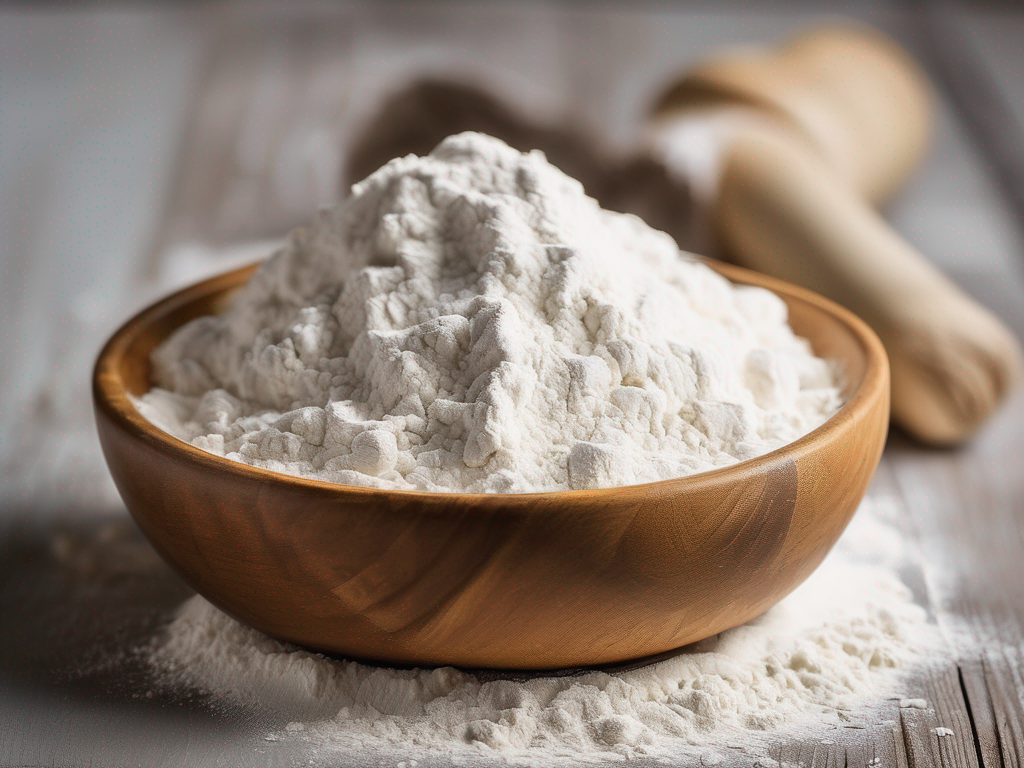
How Long Does Cake Flour Last After the Expiration Date?
How Long Does Cake Flour Last After the Expiration Date?
Can Flour Be Used After the Expiration Date?
When it comes to baking, having the right ingredients on hand is crucial. Flour is a pantry staple that plays a vital role in creating a wide range of delicious dishes. However, what should you do if you find a forgotten bag of flour in your pantry past its expiration date? Can you still use it, or is it time to toss it out? In this comprehensive guide, we will explore the topic of using flour after the expiration date, covering safety considerations, practical tips, and storage advice to help you make informed decisions.
Understanding Flour Expiration Dates
Flour typically comes with a "best by" or "use by" date on the packaging. This date serves as a guideline for the optimal quality of the flour in terms of taste, texture, and performance. It is important to note that the expiration date on flour is more of a quality indicator rather than a safety concern.
Factors Affecting Flour Shelf Life
Several factors can influence the shelf life of flour, including:
Dry foods stay fresher when protected from moisture, pests, and air exposure. Using airtight pantry containers (Amazon) helps maintain quality and extend shelf life for pantry staples.
-
Storage Conditions: Proper storage in a cool, dry place can extend the shelf life of flour.
-
Type of Flour: Whole grain flours tend to have a shorter shelf life due to their higher oil content.
-
Packaging: Flour stored in airtight containers or resealable bags may last longer than flour in torn or damaged packaging.
-
Contamination: Flour can be susceptible to contamination by pests or moisture, which can shorten its shelf life.
Safety Considerations
While the expiration date on flour is primarily a quality indicator, it is essential to consider certain factors before using expired flour to ensure food safety.
Signs of Spoiled Flour
Before using expired flour, check for the following signs of spoilage:
-
Off Odor: Rancid or sour smell.
-
Unusual Appearance: Mold growth, discoloration, or clumping.
-
Pest Infestation: Presence of insects or pests in the flour.
Risk of Foodborne Illness
Using spoiled or contaminated flour can increase the risk of foodborne illness due to bacterial or mold contamination. To minimize this risk, it is advisable to discard flour that shows any signs of spoilage.
Practical Tips for Using Expired Flour
If you find yourself with expired flour that appears to be in good condition, you can still use it with some precautions.
Sifting and Inspection
Before using expired flour, sift it to remove any potential contaminants and inspect it closely for signs of spoilage. Discard any flour that shows signs of mold, pests, or an off odor.
Adjusting for Quality
Expired flour may have lost some of its leavening power or flavor. You can compensate for this by adjusting the amount of leavening agents or adding flavor enhancers like vanilla extract or spices to your recipes.
Test with a Small Batch
If you are unsure about the quality of expired flour, consider testing it in a small batch recipe before using it in larger quantities. This can help you assess its performance and taste.
common situation: When You Might Encounter Expired Flour
Many home bakers have found themselves in situations where they discover a bag of flour that has been sitting in the pantry for longer than they'd like to admit. For instance, my friend Sarah, an enthusiastic baker, found an opened bag of cake flour at the back of her pantry while preparing for a birthday celebration. Although it was past its expiration date, it smelled fine and looked normal. Instead of tossing it, she decided to test it in a small batch of cupcakes. To her delight, the cupcakes turned out delicious, proving that with a quick inspection and a little experimentation, old flour can still be a valuable asset in the kitchen.
In another instance, Mark, a father of two, discovered several bags of flour in varying states while organizing his baking supplies for a school bake sale. Many people don’t realize that cake flour can often last longer than its expiration date if it has been stored correctly. Mark sifted through each bag, checked for any signs of spoilage, and used the best of what he had to whip up a batch of cookies that earned rave reviews from his kids’ friends.
These situation highlight that it’s not always necessary to throw away flour just because it’s past its expiration date. However, it's essential to perform a thorough inspection and trust your instincts.
Scientific Context: The Composition of Cake Flour
Cake flour is uniquely milled from soft wheat, giving it a lower protein content (around 7-9%) than all-purpose flour. This characteristic is what makes it ideal for tender cakes and pastries. Because of this low protein level, cake flour has a finer texture and produces a lighter crumb in baked goods. However, this also means that cake flour can go stale or lose its quality more quickly than higher-protein flours.
Molecularly, flour consists of carbohydrates, proteins, and small amounts of fat. Over time, the fat in flour can oxidize, leading to a rancid smell and off-taste. This is why proper storage is crucial in extending the shelf life of cake flour.
Tips for Storing Flour
Proper storage is key to extending the shelf life of flour and maintaining its quality. Consider the following tips for storing flour:
-
Airtight Containers: Transfer flour to airtight containers or resealable bags to protect it from moisture and pests.
-
Cool, Dry Location: Store flour in a cool, dry place away from direct sunlight and heat sources.
-
Labeling: Label containers with the purchase date to track the freshness of the flour.
-
Freezing: For longer storage, consider freezing flour in airtight bags or containers. This can significantly extend its shelf life. When you’re ready to use it, simply let it come to room temperature before baking.
-
Smaller Portions: If you often find flour going stale before you can use it, consider purchasing smaller bags or dividing larger bags into smaller portions. This way, you can open only what you need, keeping the rest sealed and fresh.
Common Mistakes When Using Flour Past Its Expiration Date
Many people make a few common mistakes when it comes to expired flour. For starters, some believe that if there’s no visible mold or off smell, it’s safe to use without further inspection. While it’s true that good flour can last beyond its expiration date, a quick sniff and visual check may not catch everything. Always sift and inspect thoroughly.
Another mistake is assuming that all types of flour have similar shelf lives. As mentioned earlier, whole grain flours tend to spoil more quickly than white flours. Many people don’t realize that the higher oil content in these flours leads to quicker rancidity, making them more prone to spoilage.
Lastly, some bakers overlook the impact of expired flour on the final product. Even if the flour is safe to eat, it may not perform as well in recipes, leading to cakes that are dense or less flavorful. If you notice that your baked goods aren’t coming out as expected, it might be time to replace your flour.
Expert Insights: Professional Recommendations
Many professional bakers recommend using flour within a year of its purchase date, especially for cake flour. The quality may decline over time, impacting your baked goods. If you find yourself with older flour, it’s best to trust your palate and the texture of your baked goods. If they don't turn out as expected, consider replacing your flour rather than trying to salvage the results.
Additionally, food safety experts advise always keeping flour in a dedicated, clean space in your pantry to prevent cross-contamination with other products. This is especially important in households with allergies or dietary restrictions.
Conclusion
In conclusion, while it is generally safe to use flour after the expiration date if it appears to be in good condition, it is crucial to exercise caution and inspect the flour for any signs of spoilage. By following proper storage practices and being mindful of safety considerations, you can extend the shelf life of your flour and minimize the risk of foodborne illness.
Remember, the quality of your dishes depends on the quality of your ingredients, so fresh flour is always the best choice. However, with a little diligence and care, you can make the most out of that forgotten bag of cake flour and keep your baking adventures alive.
For more information on flour, visit our flour page.
Whether you are a seasoned baker or an occasional cook, understanding how to properly store and assess the quality of your flour can help you create delicious dishes while ensuring food safety. Enjoy your baking and remember that a little care goes a long way in the kitchen!
Review and Credibility
This comprehensive guide on using flour after the expiration date combines insights from reputable sources to provide accurate and practical information. The content is based on scientific understanding of food safety and storage practices, making it a reliable resource for individuals looking to make informed decisions about expired flour.
Authoritative Food Safety References
These agencies and university labs inform every tip and health precaution we publish.
USDA FoodKeeper – Cold Storage Guidelines
Official refrigerator, freezer, and pantry timelines maintained by the U.S. Department of Agriculture.
Visit USDA FoodKeeperFDA Produce Safety Rule & Grower Guidance
Field-to-fridge handling practices that prevent contamination of fruits, vegetables, and leafy greens.
Visit FDA Produce SafetyCDC Foodborne Illness Prevention Hub
Surveillance-backed guidance on pathogens, symptoms, and steps to reduce foodborne illness risk.
Visit CDC Food SafetyUC Davis Postharvest Technology Center
University research detailing optimal storage atmospheres for produce after harvest.
Visit UC Davis PostharvestPenn State Extension – Home Food Preservation & Safety
Peer-reviewed extension bulletins on safe canning, chilling, and reheating practices.
Visit Penn State ExtensionFrequently Asked Questions
Can I still use cake flour after the expiration date has passed?
How can I tell if my cake flour has gone bad?
What is the best way to store cake flour to prolong its shelf life?
Can I freeze cake flour to make it last longer?
Is it safe to consume cake flour that has been stored past its expiration date?
Disclosure: As an Amazon Associate, we earn from qualifying purchases. This helps support our site and allows us to continue providing free food safety information.