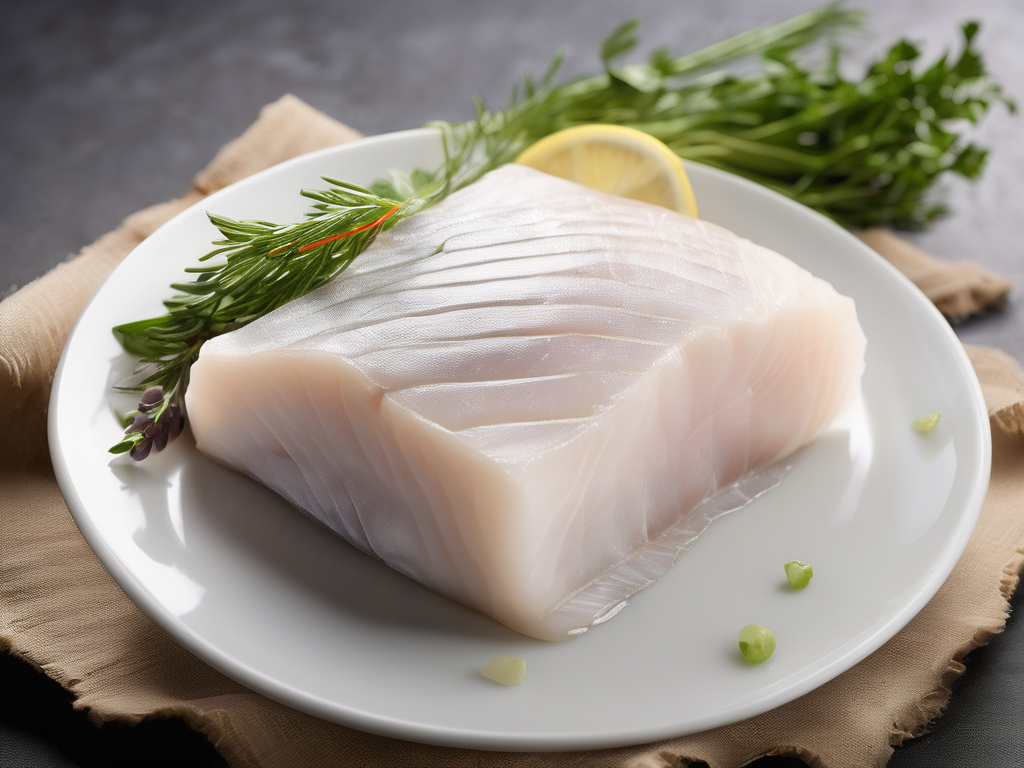
How Long Can Halibut Purchased Commercially Frozen Raw Be Stored in the Freezer?
CanIEatExpired.com Team
# How Long Can Halibut Purchased Commercially Frozen Raw Be Stored in the Freezer?

Are you a fan of halibut? This popular fish is not only delicious but also packed with essential nutrients like protein and omega-3 fatty acids. If you've purchased halibut commercially frozen raw and are wondering how long you can store it in the freezer before it goes bad, you've come to the right place. In this comprehensive guide, we will discuss everything you need to know about storing frozen halibut safely. ([Halibut purchased commercially frozen raw](https://canieatexpired.com/food/halibut-purchased-commercially-frozen-raw))

## Understanding Frozen Halibut Storage

When it comes to preserving the quality and safety of frozen halibut, proper storage is key. Here are some essential factors to consider:

### Freezer Temperature

Maintaining the ideal freezer temperature is crucial for preserving the quality of frozen halibut. The freezer temperature should be set at 0°F (-18°C) or lower to prevent the growth of harmful bacteria and maintain the fish's texture and flavor.

### Packaging

Proper packaging is essential to protect the halibut from freezer burn and contamination. When purchasing commercially frozen raw halibut, ensure that the packaging is airtight and intact. If the original packaging is damaged, consider repackaging the fish in airtight freezer-safe bags or containers.

### Storage Duration

While frozen halibut can technically be stored indefinitely in the freezer, the quality may deteriorate over time. To enjoy the best flavor and texture, it is recommended to consume frozen halibut within a certain timeframe.

## How Long Can Frozen Halibut Be Stored?

The storage duration of frozen halibut can vary depending on several factors, including the quality of the fish, freezer temperature, and packaging. Here are some general guidelines to help you determine how long you can store frozen halibut:

1. **Commercially Frozen Raw Halibut**: Halibut that has been commercially frozen raw can typically be stored in the freezer for up to 6-12 months without compromising quality. However, for the best flavor and texture, it is advisable to consume the fish within 3-6 months of freezing.

2. **Home-Frozen Halibut**: If you have purchased fresh halibut and frozen it at home, the storage duration may vary. Home-frozen halibut should be consumed within 2-3 months of freezing to ensure optimal quality.

3. **Thawed Halibut**: Once frozen halibut is thawed in the refrigerator, it should be consumed within 1-2 days to prevent spoilage.

## Tips for Safely Storing Frozen Halibut

To ensure the safety and quality of frozen halibut, follow these practical tips for storage:

- Store frozen halibut in the coldest part of the freezer to maintain a consistent temperature.
- Avoid frequent temperature fluctuations by minimizing the time the freezer door is open.
- Label the frozen halibut with the date of freezing to track storage duration accurately.
- Thaw frozen halibut in the refrigerator or under cold running water to prevent bacterial growth.

## common situation

Let’s dive into some relatable situations that highlight the importance of understanding how to store halibut properly.

### situation 1: The Last-Minute Dinner Party

Imagine you’ve invited friends over for dinner and decide to prepare a fancy halibut dish. On the day of the event, you realize the halibut you purchased last month has been sitting in the freezer. By checking the date, you discover it’s close to the 6-month mark. Understanding that it’s best to consume it sooner rather than later, you decide to carefully defrost it in the refrigerator overnight, ensuring it’s safe and delicious for your guests.

### situation 2: Meal Prepping for Health

Common situations include-conscious individual who is trying to incorporate more omega-3 rich foods into their diet. They buy commercially frozen halibut in bulk. By knowing the optimal freezing duration, they create a plan to enjoy the halibut in different recipes over the next three months, varying their meals while ensuring they’re using the fish at its best quality.

### situation 3: Family Recipe Tradition

Picture a person whose family has a cherished halibut recipe passed down through generations. They visit the grocery store, buy frozen halibut to prepare for a family gathering, but forget to note the freezing date. When the time comes, they realize the halibut has been frozen for too long. They learn from this experience to keep a dedicated notebook in their kitchen that tracks storage dates, ensuring they always use their ingredients at the right time.

## Scientific Context: The Science of Freezing Fish

Freezing fish like halibut is a commonly used preservation method that halts the growth of bacteria and parasites, which can spoil fresh seafood. When fish is frozen, the water inside it forms ice crystals. These crystals can sometimes damage the fish’s cellular structure, leading to texture changes once it’s thawed. This is why proper freezing methods, such as rapid freezing, are crucial.

Commercially frozen halibut is typically flash-frozen soon after it’s caught. This method locks in freshness and quality, helping retain more nutrients compared to fish that has been frozen more slowly. Many people don’t realize that flash-freezing can help maintain the fish's flavor and appearance, so always look for labels that indicate the freezing process used.

## Common Mistakes When Storing Frozen Halibut

Even experienced home cooks can make mistakes when it comes to storing frozen halibut. Here are some common pitfalls to avoid:

### 1. Not Checking Packaging

Many people overlook the importance of the packaging. If it’s not airtight or has been damaged, it can lead to freezer burn, which severely affects the quality of the fish. Always inspect the packaging before purchasing, and if it looks damaged, request a different package or rewrap it at home.

### 2. Tossing It in the Freezer Without a Plan

Another frequent mistake is tossing halibut into the freezer without a plan. Without labeling or tracking the freezing date, it’s easy to lose track of how long it’s been stored. This can lead to the disappointment of discovering the halibut is no longer at its best quality.

### 3. Thawing at Room Temperature

Thawing frozen halibut at room temperature is a common error. This method promotes bacterial growth, increasing the risk of foodborne illness. Always opt for refrigerator thawing or cold water thawing techniques, as mentioned earlier.

## Practical Tips for Better Storage

To enhance the longevity and quality of your frozen halibut, consider these additional tips:

### Vacuum Sealing

Using a vacuum sealer can significantly extend the shelf life of your halibut. By removing air from the packaging, you reduce the risk of freezer burn, helping to maintain flavor and texture.

### Portioning Before Freezing

If you plan to use halibut in smaller meals, consider portioning it before freezing. This way, you can defrost only what you need, minimizing waste and keeping the quality intact for each meal.

### Use Ice Packs

If you're storing halibut for an extended period, placing ice packs in the freezer can help maintain a consistent low temperature, especially if your freezer isn’t the coldest part of your kitchen.

## Expert Insights on Food Safety

Food safety experts recommend regularly checking your freezer’s temperature with a thermometer. Many home freezers can be inconsistent, and you want to ensure that yours is below 0°F (-18°C) at all times. This simple check can save you from potential spoilage.

Additionally, it’s wise to familiarize yourself with the signs of spoilage. When thawed, inspect the halibut for any off-odors, discoloration, or slimy textures. If you notice anything unusual, it's better to err on the side of caution and discard the fish.

## Safety Warnings and Considerations

When handling raw halibut, always prioritize hygiene. Wash your hands, utensils, and surfaces that come into contact with the fish. This will help prevent cross-contamination with other foods.

If you plan to store halibut in the freezer for longer than the recommended timeframes, consider cooking it first. Cooked halibut can last longer in the freezer, though it should still be consumed within 4-6 months for optimal quality.

## Conclusion

In conclusion, frozen halibut purchased commercially raw can be stored in the freezer for up to 6-12 months, with the best quality achieved within 3-6 months. By following proper storage guidelines and consuming the fish within the recommended timeframe, you can enjoy delicious and safe halibut dishes at home. Remember to prioritize food safety and quality to make the most of your frozen halibut storage. Enjoy your culinary adventures with this versatile and nutritious fish!

For more information on [halibut purchased commercially frozen raw](/food/halibut-purchased-commercially-frozen-raw) and other food safety tips, stay tuned for our upcoming blog posts. ([Halibut purchased commercially frozen raw](https://canieatexpired.com/food/halibut-purchased-commercially-frozen-raw))

## Related Posts

Here are some other articles you might find helpful:

- [How to Tell if Halibut Purchased Commercially Frozen Raw has Gone Bad Before Cooking](/blog/how-can-i-tell-if-halibut-purchased-commercially-frozen-raw-has-gone-bad-before-cooking)
- [Defrosting Halibut Purchased Commercially Frozen Raw: A Guide to Optimal Taste](/blog/what-is-the-best-way-to-defrost-halibut-purchased-commercially-frozen-raw-for-optimal-taste)
Authoritative Food Safety References
These agencies and university labs inform every tip and health precaution we publish.
USDAOfficial guidance
USDA FoodKeeper – Cold Storage Guidelines
Official refrigerator, freezer, and pantry timelines maintained by the U.S. Department of Agriculture.
Visit USDA FoodKeeperFDAOfficial guidance
FDA Produce Safety Rule & Grower Guidance
Field-to-fridge handling practices that prevent contamination of fruits, vegetables, and leafy greens.
Visit FDA Produce SafetyCDCOfficial guidance
CDC Foodborne Illness Prevention Hub
Surveillance-backed guidance on pathogens, symptoms, and steps to reduce foodborne illness risk.
Visit CDC Food SafetyResearchUniversity research
UC Davis Postharvest Technology Center
University research detailing optimal storage atmospheres for produce after harvest.
Visit UC Davis PostharvestResearchUniversity research
Penn State Extension – Home Food Preservation & Safety
Peer-reviewed extension bulletins on safe canning, chilling, and reheating practices.
Visit Penn State ExtensionDisclosure: As an Amazon Associate, we earn from qualifying purchases. This helps support our site and allows us to continue providing free food safety information.
Our articles are created using a combination of AI assistance and human review. All food safety information is based on USDA guidelines and credible sources. Learn more about our review process here.