How Long Are Capers Good for After Opening?
How Long Are Capers Good for After Opening?
Capers are a popular ingredient in various dishes, known for their tangy and briny flavor. Whether you use them in salads, sauces, or as a garnish, capers can add a unique taste to your culinary creations. However, once you open a jar of capers, you may wonder how long they will remain fresh and safe to consume. In this blog post, we will explore the shelf life of capers after opening and provide you with practical tips on how to store them properly. (Capers)
Understanding Capers
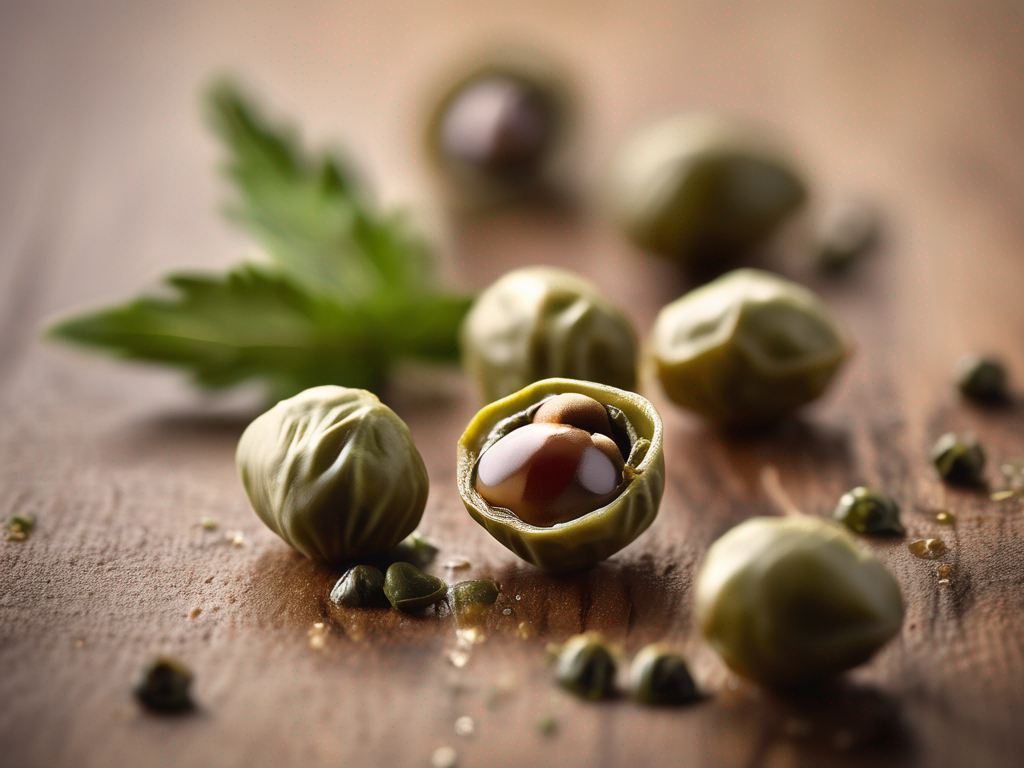
Before delving into the shelf life of capers, let's first understand what capers are. Capers are the unopened flower buds of the caper bush, Capparis spinosa. These small, green orbs are typically cured in vinegar, brine, or salt to enhance their flavor. Capers are often used in Mediterranean and Italian cuisine to add a burst of tanginess to dishes.
Capers come in jars or bottles, packed in a liquid solution to preserve their taste and texture. When stored correctly, capers can last for a considerable amount of time, even after opening the container.
Dry foods stay fresher when protected from moisture, pests, and air exposure. Using airtight pantry containers (Amazon) helps maintain quality and extend shelf life for pantry staples.
Factors Affecting the Shelf Life of Capers
Several factors can influence how long capers will remain fresh after opening. It's essential to consider these factors to ensure the safety and quality of the capers you use in your cooking:
-
Storage Conditions: Proper storage is crucial for prolonging the shelf life of capers. Factors such as temperature, light exposure, and humidity can impact the quality of the capers.
-
Packaging: The type of packaging used for capers can also affect their shelf life. Capers stored in airtight containers are likely to last longer than those stored in non-sealed packaging.
-
Contamination: Avoid introducing contaminants into the capers, as this can lead to spoilage and reduce their shelf life.
Shelf Life of Capers After Opening
Once you open a jar of capers, the clock starts ticking on their freshness. Here is a general guideline on how long capers are good for after opening:
-
Refrigerated capers in brine: Once opened, capers stored in brine can last for up to 1 year in the refrigerator.
-
Refrigerated capers in vinegar: Capers stored in vinegar should be consumed within 6 months after opening for the best quality.
-
Capers stored in salt: If you have capers stored in salt, they can last for an extended period, even after opening. Properly sealed and stored capers in salt can stay fresh for up to 2 years in the refrigerator.
It's important to note that these are general guidelines, and the actual shelf life of capers may vary based on storage conditions and how well they are handled after opening.
Tips for Storing Capers
To maximize the shelf life of capers after opening and maintain their quality, consider the following storage tips:
-
Refrigeration: Always store opened capers in the refrigerator to slow down the deterioration process.
-
Sealing: Ensure the capers are tightly sealed after each use to prevent moisture and contaminants from entering the jar.
-
Labeling: Label the jar with the date of opening to track how long the capers have been stored.
-
Avoid Cross-Contamination: Use clean utensils to scoop out capers from the jar to prevent introducing contaminants.
common situation
Understanding the shelf life of capers can be particularly valuable in several common situations.
-
Unexpected Guests: Imagine you're preparing a Mediterranean-themed dinner for friends and realize you have leftover capers from a previous meal. Knowing they can last up to a year when stored properly can help you avoid a last-minute trip to the store for fresh ones.
-
Meal Planning: If you're someone who likes to meal prep, having a well-preserved jar of capers can be a game-changer. You might make a big batch of pasta salad for the week and want to add capers for flavor. With knowledge of how long they last, you'll feel confident adding them to your meal prep.
-
Cooking Experiments: Perhaps you're a budding chef experimenting with new recipes. You decide to try making a caper-based sauce. If you've opened a jar and remember that they last for about a year in the fridge, you can feel safe using them even if it’s been a few months since you opened the jar.
Scientific Context
Capers are not just flavorful; they also bring some nutritional benefits along with their unique taste. They are low in calories but high in antioxidants, which can contribute positively to your overall health. One interesting study showed that capers contain compounds that may have anti-inflammatory properties.
From a food safety perspective, the preservation methods used for capers play a vital role in extending their shelf life. The brining or pickling process creates an environment that discourages the growth of pathogenic bacteria, making capers a safe addition to your pantry when handled properly.
Common Mistakes
Many people don’t realize that the storage of capers can make a significant difference in their longevity. Here are some common mistakes to avoid:
-
Leaving them Out: Some might think it’s okay to leave the jar of capers on the countertop after opening. Always store them in the refrigerator!
-
Using Dirty Utensils: It’s tempting to reuse a spoon or knife that’s been used for something else. Using a dirty utensil can introduce bacteria into the jar, leading to quicker spoilage.
-
Not Checking for Spoilage: Just because the capers are within the suggested storage time doesn’t mean they’re still good. Look for changes in color, smell, or texture before using.
Expert Insights
When it comes to food safety and shelf life, a few recommendations from experts can go a long way. Food safety guidance from public health agencies, a food safety specialist, emphasizes the importance of following the manufacturer's guidelines. "Always refer to the packaging for specific instructions, as variations in production can affect shelf life," she advises.
Additionally, she recommends that if you're ever in doubt about the freshness of capers, it’s best to err on the side of caution. "If they look, smell, or taste off, it’s better to discard them. Food safety is paramount."
Storage Methods
If you've just opened a jar of capers, here are more detailed storage techniques to keep them fresh:
Refrigeration
- Use an Airtight Container: If the original jar isn’t resealable, consider transferring the capers to an airtight container. This will help keep moisture and air out.
Salt Preservation
- Keep in Salt: If you have salted capers, make sure to keep the salt covering them. This method can help maintain flavor and texture for longer periods.
Glass Jars
- Use Glass Jars: When transferring capers to a new container, opt for glass jars instead of plastic. Glass is non-reactive and won't affect the capers' flavor or safety over time.
Safety Warnings
While capers are generally safe, there are a few important cautions to keep in mind:
-
Watch Out for Signs of Spoilage: As previously mentioned, check for off-smells, discoloration, or mold. If anything seems off, it's best to discard the capers.
-
Special Considerations for Dietary Restrictions: If you or your guests have dietary restrictions (like sodium intake), be mindful that capers can be high in salt. Always label homemade dishes containing capers clearly.
Conclusion
In conclusion, capers can last for a considerable amount of time after opening if stored properly. By understanding the factors that influence the shelf life of capers and following the tips provided in this post, you can enjoy the unique flavor of capers in your dishes for an extended period. Remember to always inspect the capers for any signs of spoilage before using them in your recipes. Enjoy your culinary adventures with the delightful taste of capers! (Capers)
Related Posts
Here are some other articles you might find helpful:
Authoritative Food Safety References
These agencies and university labs inform every tip and health precaution we publish.
USDA FoodKeeper – Cold Storage Guidelines
Official refrigerator, freezer, and pantry timelines maintained by the U.S. Department of Agriculture.
Visit USDA FoodKeeperFDA Produce Safety Rule & Grower Guidance
Field-to-fridge handling practices that prevent contamination of fruits, vegetables, and leafy greens.
Visit FDA Produce SafetyCDC Foodborne Illness Prevention Hub
Surveillance-backed guidance on pathogens, symptoms, and steps to reduce foodborne illness risk.
Visit CDC Food SafetyUC Davis Postharvest Technology Center
University research detailing optimal storage atmospheres for produce after harvest.
Visit UC Davis PostharvestPenn State Extension – Home Food Preservation & Safety
Peer-reviewed extension bulletins on safe canning, chilling, and reheating practices.
Visit Penn State ExtensionDisclosure: As an Amazon Associate, we earn from qualifying purchases. This helps support our site and allows us to continue providing free food safety information.