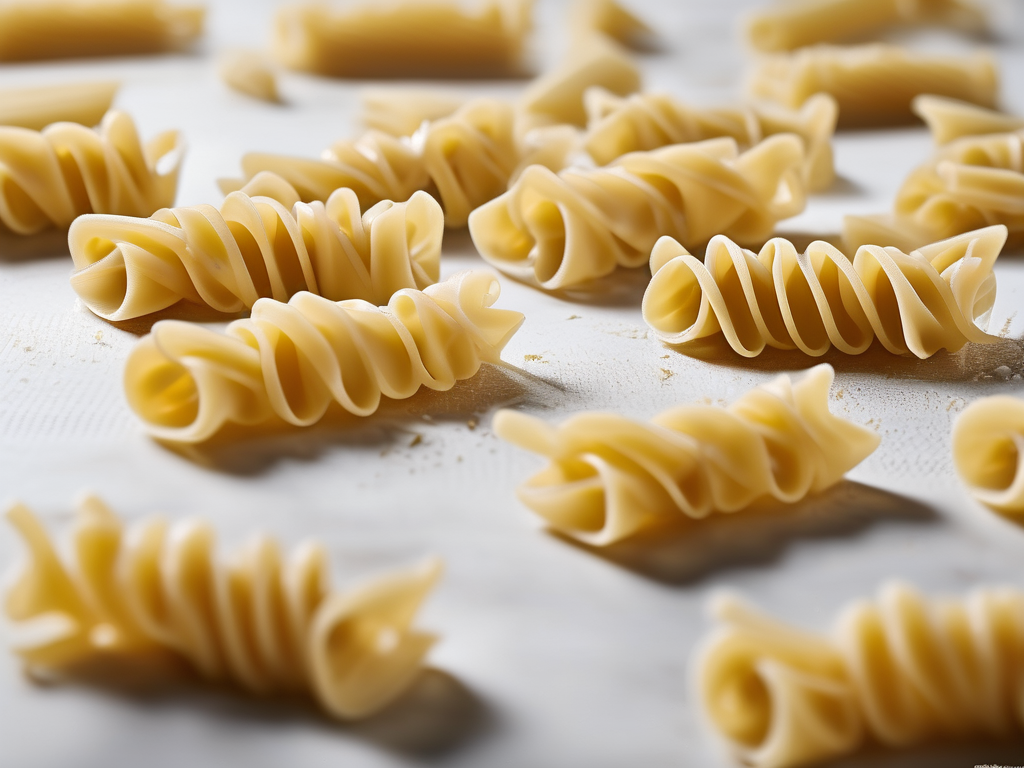
How to Tell if Unopened Dry Pasta Has Gone Bad
How to Tell if Unopened Dry Pasta Has Gone Bad
Dry pasta is a pantry staple that many households rely on for quick and easy meals. But what happens when you find a package of dry pasta that has been sitting in your pantry for a while? How can you tell if it's still safe to eat without even opening the package? In this blog post, we will discuss some key indicators that can help you determine if unopened dry pasta has gone bad. (Pasta dry unopened)
Understanding the Shelf Life of Dry Pasta
Dry pasta is typically made from durum wheat flour and water, which gives it a long shelf life. When stored properly in a cool, dry place away from heat and moisture, unopened dry pasta can last for up to two years past the expiration date on the package. However, it's important to remember that the expiration date is just a guideline, and the quality of the pasta may start to deteriorate over time.
Signs that Unopened Dry Pasta Has Gone Bad
1. Check the Packaging
- Inspect the packaging for any signs of damage, such as tears, holes, or punctures. If the packaging is compromised, the pasta inside may have been exposed to moisture or pests, which can lead to spoilage.
2. Look for Discoloration
- Examine the pasta through the packaging for any signs of discoloration. If the pasta appears to be discolored or has dark spots, it may be a sign that moisture has seeped into the package, causing mold or bacterial growth.
3. Sniff Test
- While you can't smell unopened dry pasta directly, you can give the package a sniff to check for any unusual odors. If the package emits a musty or rancid smell, it's best to discard the pasta, as it may have gone bad.
4. Check for Pests
- Inspect the packaging for any signs of pests, such as insects or rodents. If you notice any holes or chew marks on the packaging, it's possible that pests have contaminated the pasta inside.
5. Feel the Texture
- While you can't touch the pasta directly, you can gently squeeze the package to feel the texture of the pasta inside. If the pasta feels clumped together or sticky, it may be a sign that moisture has affected its quality.
Conclusion
In conclusion, it's important to be mindful of the signs that indicate unopened dry pasta has gone bad. By checking the packaging for damage, discoloration, odors, pests, and texture, you can make an informed decision about the safety of the pasta before opening it. Remember that proper storage is key to maintaining the quality of dry pasta, so always store it in a cool, dry place to prolong its shelf life. If you have any doubts about the safety of unopened dry pasta, it's best to err on the side of caution and discard it. [Click here](/food/pasta dry unopened) for more information on food safety and storage. (Pasta dry unopened)
Dry foods stay fresher when protected from moisture, pests, and air exposure. Using airtight pantry containers (Amazon) helps maintain quality and extend shelf life for pantry staples.
Related Posts
Here are some other articles you might find helpful:
Authoritative Food Safety References
These agencies and university labs inform every tip and health precaution we publish.
USDA FoodKeeper – Cold Storage Guidelines
Official refrigerator, freezer, and pantry timelines maintained by the U.S. Department of Agriculture.
Visit USDA FoodKeeperFDA Produce Safety Rule & Grower Guidance
Field-to-fridge handling practices that prevent contamination of fruits, vegetables, and leafy greens.
Visit FDA Produce SafetyCDC Foodborne Illness Prevention Hub
Surveillance-backed guidance on pathogens, symptoms, and steps to reduce foodborne illness risk.
Visit CDC Food SafetyUC Davis Postharvest Technology Center
University research detailing optimal storage atmospheres for produce after harvest.
Visit UC Davis PostharvestPenn State Extension – Home Food Preservation & Safety
Peer-reviewed extension bulletins on safe canning, chilling, and reheating practices.
Visit Penn State ExtensionDisclosure: As an Amazon Associate, we earn from qualifying purchases. This helps support our site and allows us to continue providing free food safety information.