Is Your Makdous Stuffed Eggplant Safe to Eat? A Guide to Spotting Spoiled Makdous
Is Your Makdous Stuffed Eggplant Safe to Eat? A Guide to Spotting Spoiled Makdous
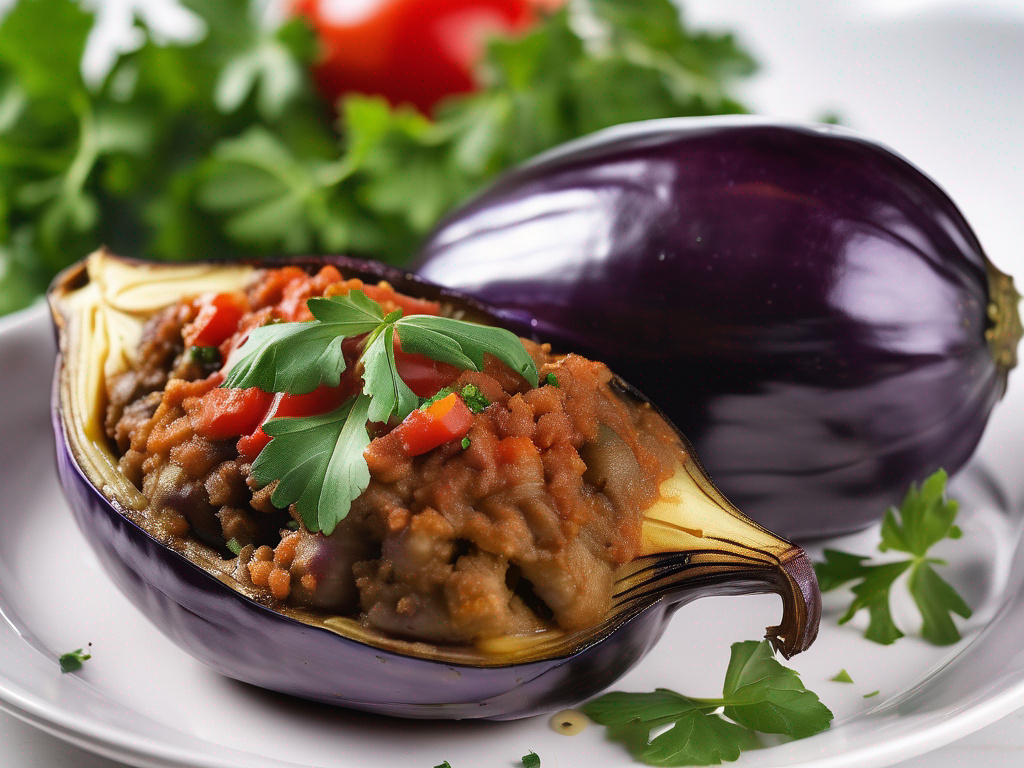
Makdous, a traditional Middle Eastern dish consisting of stuffed eggplant, is a popular delicacy enjoyed for its unique flavors and textures. However, like all food items, makdous can spoil if not stored or handled properly. In this comprehensive guide, we will discuss how to determine if your makdous stuffed eggplant has gone bad and provide you with practical tips on food safety and storage. (Makdous stuffed eggplant)
Understanding Makdous Stuffed Eggplant
Before we delve into the signs of spoilage, let's first understand what makdous stuffed eggplant is and how it is made. Makdous is a dish that originates from the Levant region and is typically made by stuffing baby eggplants with a mixture of walnuts, red pepper, garlic, and salt. The stuffed eggplants are then preserved in olive oil, which helps enhance the flavors and prolong the shelf life of the dish.
Signs of Spoiled Makdous
It's essential to be able to recognize the signs that your makdous stuffed eggplant has gone bad to prevent consuming spoiled food, which can lead to foodborne illnesses. Here are some indicators that your makdous may have spoiled:
Proper cooking temperatures are essential for food safety. An instant-read food thermometer (Amazon) helps ensure meat reaches safe internal temperatures and reduces the risk of foodborne illness.
Visual Inspection
- Mold or unusual discoloration on the surface of the eggplant
- Cloudy or murky appearance of the olive oil
- Presence of bubbles or foaming in the jar
Texture and Smell
- Slimy or mushy texture of the eggplant
- Foul or off-putting odor emanating from the jar
If you notice any of these signs, it's best to err on the side of caution and discard the makdous to avoid potential health risks.
Proper Storage Tips for Makdous Stuffed Eggplant
To extend the shelf life of your makdous and ensure its safety for consumption, follow these storage tips:
- Store in a Cool, Dark Place: Keep your makdous in a cool, dark pantry or cupboard away from direct sunlight and heat sources.
- Check the Seal: Ensure that the jar is properly sealed to prevent air and contaminants from entering.
- Refrigerate After Opening: Once you open a jar of makdous, store it in the refrigerator to slow down the growth of bacteria.
- Use Clean Utensils: Always use clean, dry utensils when serving makdous to prevent contamination.
By following these storage guidelines, you can enjoy your makdous stuffed eggplant safely and deliciously.
Refrigerator temperature fluctuations can accelerate spoilage and increase food safety risks. A refrigerator thermometer (Amazon) helps monitor consistent cold storage (40°F or below).
Importance of Food Safety
Food safety is paramount when it comes to consuming perishable items like makdous. By practicing proper food handling, storage, and hygiene, you can reduce the risk of foodborne illnesses and ensure the well-being of yourself and your loved ones. Remember these essential food safety tips:
- Wash your hands thoroughly before and after handling food.
- Use separate cutting boards for raw meats and vegetables to prevent cross-contamination.
- Cook food to the recommended internal temperatures to kill harmful bacteria.
Conclusion
In conclusion, makdous stuffed eggplant is a delectable dish that can enhance your culinary experience. However, it's crucial to be vigilant in inspecting your makdous for signs of spoilage and to follow proper storage practices to maintain its freshness and safety. By understanding the indicators of spoiled makdous and implementing food safety measures, you can savor this Middle Eastern delicacy with peace of mind. Remember, when in doubt, throw it out!
For more information on makdous stuffed eggplant and other food safety tips, visit [makdous stuffed eggplant](/food/makdous stuffed eggplant). (Makdous stuffed eggplant)
Authoritative Food Safety References
These agencies and university labs inform every tip and health precaution we publish.
USDA FoodKeeper – Cold Storage Guidelines
Official refrigerator, freezer, and pantry timelines maintained by the U.S. Department of Agriculture.
Visit USDA FoodKeeperFDA Produce Safety Rule & Grower Guidance
Field-to-fridge handling practices that prevent contamination of fruits, vegetables, and leafy greens.
Visit FDA Produce SafetyCDC Foodborne Illness Prevention Hub
Surveillance-backed guidance on pathogens, symptoms, and steps to reduce foodborne illness risk.
Visit CDC Food SafetyUC Davis Postharvest Technology Center
University research detailing optimal storage atmospheres for produce after harvest.
Visit UC Davis PostharvestPenn State Extension – Home Food Preservation & Safety
Peer-reviewed extension bulletins on safe canning, chilling, and reheating practices.
Visit Penn State ExtensionDisclosure: As an Amazon Associate, we earn from qualifying purchases. This helps support our site and allows us to continue providing free food safety information.