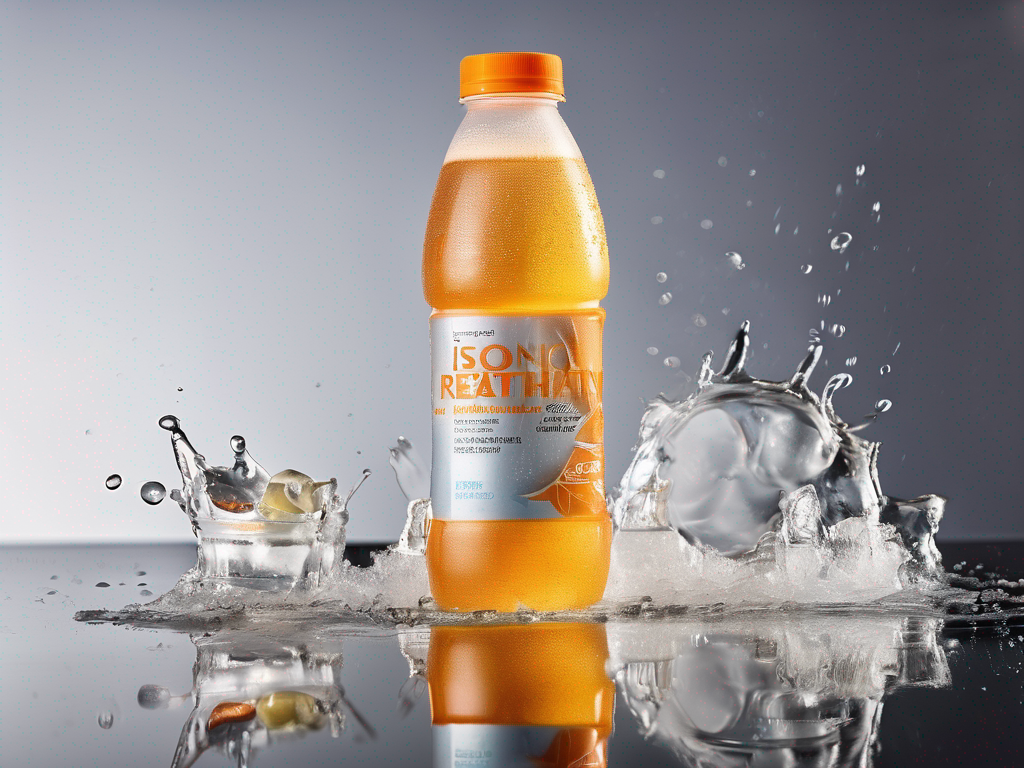
How to Tell If Isotonic Rehydration Solution Has Gone Bad
How to Tell If Isotonic Rehydration Solution Has Gone Bad
In today's fast-paced world, staying hydrated is essential for maintaining good health and overall well-being. Isotonic rehydration solution is a popular choice for replenishing lost fluids and electrolytes, especially during times of illness or physical exertion. However, like all food and beverage products, isotonic rehydration solution can spoil and lose its effectiveness over time. In this blog post, we will discuss how to tell if isotonic rehydration solution has gone bad and provide practical tips for ensuring its safety and efficacy. (Isotonic rehydration solution)
Understanding Isotonic Rehydration Solution
Isotonic rehydration solution is a balanced mixture of water, sugar, and electrolytes designed to quickly replenish fluids and essential nutrients in the body. It is commonly used to prevent dehydration and maintain hydration levels during illness, exercise, or hot weather conditions. Isotonic rehydration solution is available in various forms, including powders, ready-to-drink liquids, and tablets, making it convenient for use in different situations.
Key Components of Isotonic Rehydration Solution
- Water: Provides hydration and helps regulate body temperature.
- Sugar: Supplies energy and aids in the absorption of electrolytes.
- Electrolytes: Such as sodium, potassium, and chloride, help maintain proper fluid balance and muscle function.
Signs That Isotonic Rehydration Solution Has Gone Bad
It is important to be able to recognize the signs that isotonic rehydration solution may have spoiled to avoid consuming a product that could potentially harm your health. Here are some indicators that isotonic rehydration solution has gone bad:
Visual Inspection
- Discoloration: If the solution appears cloudy, discolored, or has visible particles, it may be a sign of contamination or spoilage.
- Mold Growth: Any presence of mold or unusual growth in the solution indicates spoilage and should not be consumed.
- Damaged Packaging: Check for leaks, dents, or bulging in the packaging, as these could be signs of compromised product integrity.
Smell and Taste
- Off Odors: A sour, musty, or foul smell coming from the solution is a clear indication that it has spoiled.
- Strange Taste: If the isotonic rehydration solution tastes unusual, bitter, or rancid, it is best to discard it immediately.
Expiration Date
- Check the Best-By Date: Always look for the expiration date on the packaging and do not use the product if it has passed the recommended shelf life.
Proper Storage and Handling of Isotonic Rehydration Solution
To prolong the shelf life of isotonic rehydration solution and maintain its quality, it is essential to store and handle the product correctly. Follow these practical tips for storing isotonic rehydration solution:
Storage Conditions
- Cool and Dry Environment: Store isotonic rehydration solution in a cool, dry place away from direct sunlight and heat sources.
- Refrigeration: Once opened, refrigerate any unused portion of the solution to prevent bacterial growth.
- Avoid Freezing: Do not freeze isotonic rehydration solution, as it can alter the product's consistency and effectiveness.
Handling Guidelines
- Use Clean Utensils: Always use clean utensils or measuring cups when preparing or serving isotonic rehydration solution to prevent contamination.
- Avoid Cross-Contamination: Do not mix different batches of isotonic rehydration solution or use the same container for storing different liquids.
- Follow Instructions: Adhere to the manufacturer's instructions for preparing and diluting isotonic rehydration solution for optimal effectiveness.
Conclusion
In conclusion, being able to identify the signs of spoilage in isotonic rehydration solution is crucial for maintaining your health and well-being. By conducting visual inspections, checking for off odors and tastes, and monitoring the expiration date, you can ensure that the isotonic rehydration solution you consume is safe and effective. Remember to store and handle the product properly to extend its shelf life and maximize its benefits. Stay hydrated, stay healthy! (Isotonic rehydration solution)
Authoritative Food Safety References
These agencies and university labs inform every tip and health precaution we publish.
USDA FoodKeeper – Cold Storage Guidelines
Official refrigerator, freezer, and pantry timelines maintained by the U.S. Department of Agriculture.
Visit USDA FoodKeeperFDA Produce Safety Rule & Grower Guidance
Field-to-fridge handling practices that prevent contamination of fruits, vegetables, and leafy greens.
Visit FDA Produce SafetyCDC Foodborne Illness Prevention Hub
Surveillance-backed guidance on pathogens, symptoms, and steps to reduce foodborne illness risk.
Visit CDC Food SafetyUC Davis Postharvest Technology Center
University research detailing optimal storage atmospheres for produce after harvest.
Visit UC Davis PostharvestPenn State Extension – Home Food Preservation & Safety
Peer-reviewed extension bulletins on safe canning, chilling, and reheating practices.
Visit Penn State Extension