Is Your Ground Cumin Still Good? A Guide to Spotting Spoiled Spice
Is Your Ground Cumin Still Good? A Guide to Spotting Spoiled Spice
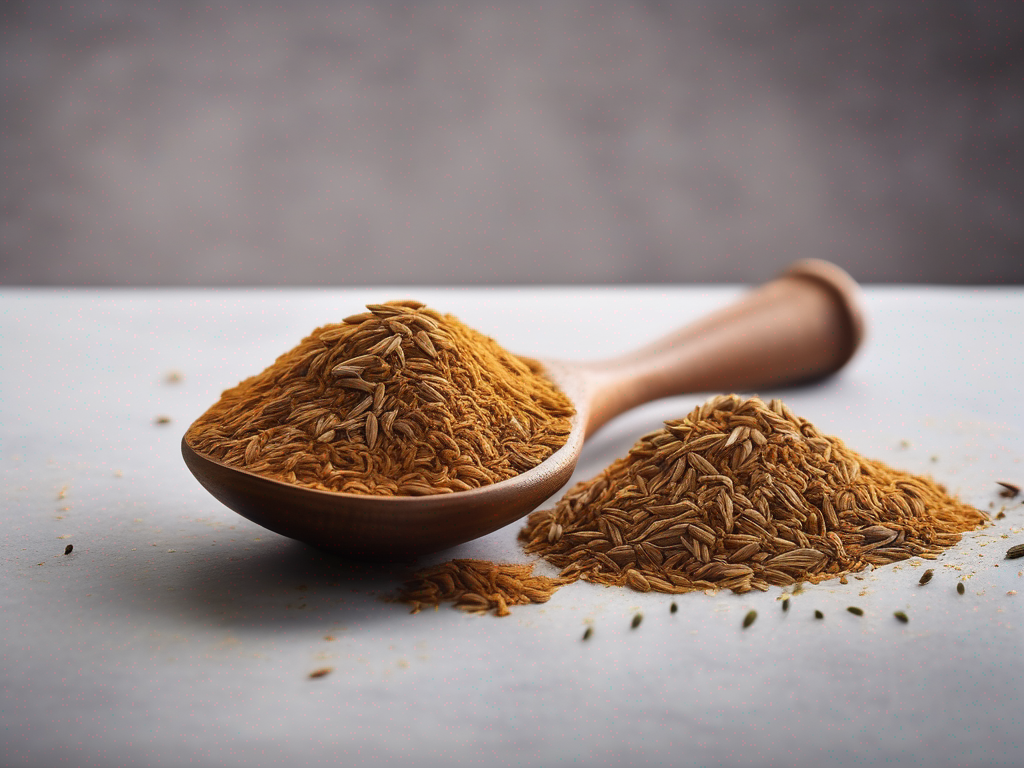
Ground cumin is a staple spice in many cuisines, adding a warm, earthy flavor to dishes such as chili, curry, and tacos. However, like all spices, ground cumin can lose its flavor and potency over time. In some cases, ground cumin can even spoil, affecting the taste and safety of your food. This guide will help you determine if your ground cumin has gone bad and provide tips on how to store it properly to maintain its freshness. (Ground cumin)
Signs of Spoiled Ground Cumin
1. Check the Appearance
- Color: Fresh ground cumin is typically a rich brown color. If you notice any discoloration, such as dark spots or a lighter hue, it may indicate that the spice has spoiled.
- Texture: Ground cumin should have a fine, powdery texture. If you feel any clumps or notice a gritty texture, it could be a sign of moisture exposure and spoilage.
2. Smell the Cumin
- Aroma: Ground cumin should have a strong, aromatic scent. If the spice smells musty, rancid, or off, it is likely no longer good to use.
3. Taste a Pinch
- Flavor: If you are unsure about the quality of your ground cumin, take a small taste. Spoiled cumin will have a bitter or stale flavor, significantly different from its usual warm and pungent taste.
4. Check the Expiration Date
- Packaging Date: Ground cumin does not have a strict expiration date, but it can lose its flavor over time. Check the packaging date or the date you opened the container to gauge its freshness.
5. Mold or Pests
- Visual Inspection: Inspect the container for any signs of mold growth or pests. If you see any, discard the ground cumin immediately.
Proper Storage Tips for Ground Cumin
To ensure your ground cumin stays fresh and flavorful for as long as possible, follow these storage tips:
-
Store in a Cool, Dark Place: Keep your ground cumin away from heat, light, and moisture. A pantry or cupboard is an ideal location for storing spices.
-
Use Airtight Containers: Transfer your ground cumin to an airtight container to protect it from air and moisture, which can cause the spice to degrade faster.
-
Avoid Direct Sunlight: Exposure to sunlight can cause spices to lose their flavor and aroma. Store ground cumin in a dark cabinet or drawer.
-
Do Not Refrigerate: While some may think refrigeration prolongs the shelf life of spices, it can actually introduce moisture, leading to caking and spoilage. Keep your ground cumin at room temperature.
Conclusion
By being mindful of the signs of spoiled ground cumin and following proper storage guidelines, you can ensure that your spices remain fresh and flavorful. Remember to inspect your ground cumin regularly for any changes in appearance, smell, or taste, and replace it if necessary. Proper storage practices are key to maintaining the quality and safety of your spices, enhancing the taste of your culinary creations. So, keep these tips in mind and enjoy the full flavor of your ground cumin in every dish you prepare.
For more information on [ground cumin](/food/ground cumin) and other food safety tips, stay tuned to our blog for expert advice and guidance. (Ground cumin)
Authoritative Food Safety References
These agencies and university labs inform every tip and health precaution we publish.
USDA FoodKeeper – Cold Storage Guidelines
Official refrigerator, freezer, and pantry timelines maintained by the U.S. Department of Agriculture.
Visit USDA FoodKeeperFDA Produce Safety Rule & Grower Guidance
Field-to-fridge handling practices that prevent contamination of fruits, vegetables, and leafy greens.
Visit FDA Produce SafetyCDC Foodborne Illness Prevention Hub
Surveillance-backed guidance on pathogens, symptoms, and steps to reduce foodborne illness risk.
Visit CDC Food SafetyUC Davis Postharvest Technology Center
University research detailing optimal storage atmospheres for produce after harvest.
Visit UC Davis PostharvestPenn State Extension – Home Food Preservation & Safety
Peer-reviewed extension bulletins on safe canning, chilling, and reheating practices.
Visit Penn State Extension