How to Tell if Cinnamon Powder has Gone Bad
How to Tell if Cinnamon Powder has Gone Bad
Cinnamon powder is a popular spice known for its warm, sweet flavor and numerous nutritional quality. Whether you use it in baking, cooking, or adding flavor to your morning coffee, cinnamon powder can enhance the taste of many dishes. However, like all spices, cinnamon powder can go bad over time. In this blog post, we will discuss how you can tell if your cinnamon powder has gone bad and provide practical tips for proper storage to extend its shelf life. (Cinnamon powder)
Signs of Spoiled Cinnamon Powder
Cinnamon powder, like any other spice, can lose its flavor and potency over time. Here are some signs that your cinnamon powder may have gone bad:
1. Changes in Color and Appearance
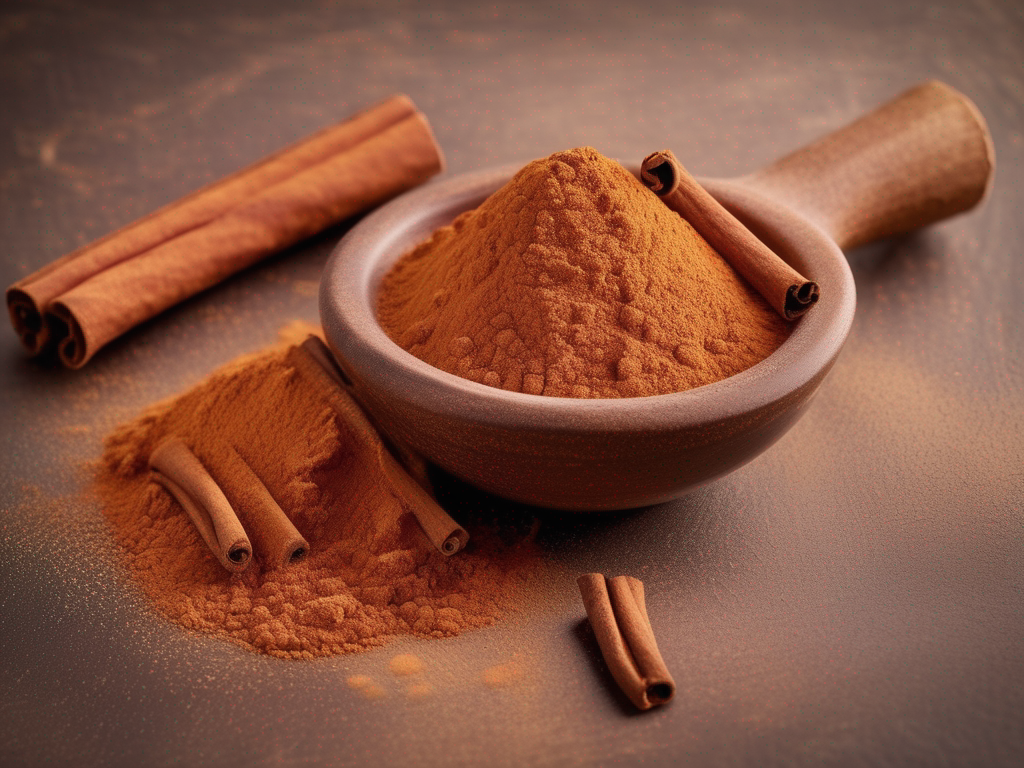
- Faded Color: Fresh cinnamon powder has a rich, reddish-brown color. If you notice that the powder has turned dull or grayish, it may be a sign of spoilage.
- Clumping: Moisture can cause cinnamon powder to clump together. If you see lumps or clumps in the powder, it may have absorbed moisture and gone bad.
2. Loss of Aroma
- Weak Scent: Cinnamon powder should have a strong, sweet aroma. If the powder smells musty, stale, or rancid, it has likely lost its flavor and freshness.
3. Taste Test
- Bitter or Off Flavor: If you taste the cinnamon powder and it has a bitter or unpleasant flavor, it is a clear indication that it has gone bad.
4. Expiration Date
- Check the Best-By Date: Most spices, including cinnamon powder, come with a best-by date. If your cinnamon powder is past its expiration date, it is best to discard it.
Proper Storage Tips for Cinnamon Powder
To ensure that your cinnamon powder stays fresh and flavorful for as long as possible, follow these storage tips:
1. Store in a Cool, Dark Place
- Avoid Heat and Light: Heat and light can degrade the flavor and aroma of cinnamon powder. Store it in a cool, dark pantry away from sunlight and heat sources like the stove.
2. Use Airtight Containers
- Seal it Tight: Transfer the cinnamon powder to an airtight container to protect it from moisture and air. Mason jars or spice jars with tight lids are ideal for storing spices.
3. Keep Away from Moisture
- Dry Environment: Moisture can cause cinnamon powder to clump and spoil. Make sure the storage area is dry, and avoid storing cinnamon powder near the sink or other sources of moisture.
4. Label and Date
- Organize Your Spices: Label the container with the date of purchase or the expiration date to keep track of the freshness of your cinnamon powder.
5. Avoid Refrigeration
- Room Temperature: While refrigeration may seem like a good idea to extend shelf life, it can actually introduce moisture to the spice. It is best to store cinnamon powder at room temperature.
Conclusion
In conclusion, cinnamon powder is a versatile spice that can add warmth and flavor to a variety of dishes. By knowing the signs of spoilage and following proper storage guidelines, you can ensure that your cinnamon powder stays fresh and flavorful for longer. Remember to check the color, aroma, and taste of your cinnamon powder regularly to determine if it has gone bad. By storing it in a cool, dark place in an airtight container, you can enjoy the full benefits of this aromatic spice in your culinary creations. (Cinnamon powder)
Authoritative Food Safety References
These agencies and university labs inform every tip and health precaution we publish.
USDA FoodKeeper – Cold Storage Guidelines
Official refrigerator, freezer, and pantry timelines maintained by the U.S. Department of Agriculture.
Visit USDA FoodKeeperFDA Produce Safety Rule & Grower Guidance
Field-to-fridge handling practices that prevent contamination of fruits, vegetables, and leafy greens.
Visit FDA Produce SafetyCDC Foodborne Illness Prevention Hub
Surveillance-backed guidance on pathogens, symptoms, and steps to reduce foodborne illness risk.
Visit CDC Food SafetyUC Davis Postharvest Technology Center
University research detailing optimal storage atmospheres for produce after harvest.
Visit UC Davis PostharvestPenn State Extension – Home Food Preservation & Safety
Peer-reviewed extension bulletins on safe canning, chilling, and reheating practices.
Visit Penn State Extension