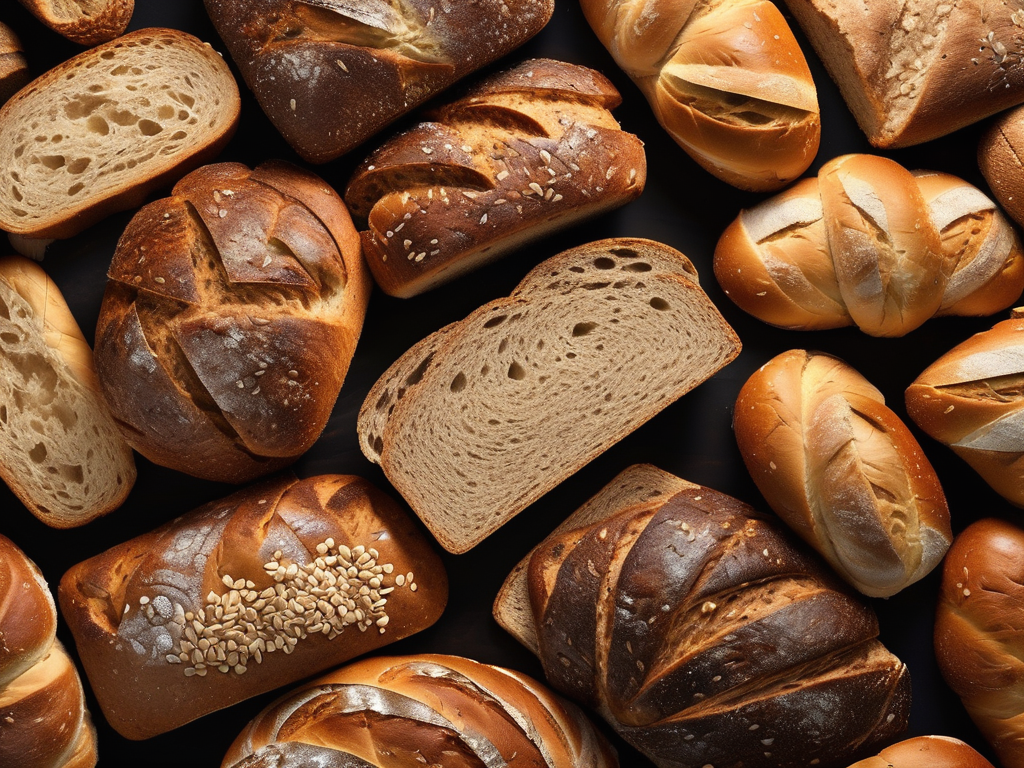
Keeping Multi Grain Bread Fresh: Tips to Prevent Spoilage
Keeping Multi Grain Bread Fresh: Tips to Prevent Spoilage
In today's fast-paced world, having a loaf of [multi grain bread](/food/multi grain bread) on hand can be a convenient and healthy option for quick meals and snacks. However, one common issue that many people face is the quick spoilage of bread, especially multi grain varieties. The good news is that with some simple tips and tricks, you can extend the shelf life of your multi grain bread and enjoy it for longer. In this guide, we will discuss practical strategies to prevent your multi grain bread from spoiling quickly. (Multi grain bread)
Understanding the Factors that Cause Spoilage
Before we delve into the preventive measures, it's essential to understand the factors that contribute to the quick spoilage of multi grain bread. By knowing these factors, you can take targeted steps to keep your bread fresh for a more extended period. Here are some key reasons why multi grain bread may spoil quickly:
1. Moisture:
- Moisture promotes the growth of mold and bacteria on bread.
- Multi grain bread, with its various grains and seeds, tends to retain more moisture than white bread, making it more susceptible to spoilage.
2. Temperature:
- Storing multi grain bread in warm or humid conditions can accelerate spoilage.
- Ideally, bread should be stored in a cool, dry place to maintain its freshness.
3. Air Exposure:
- Exposure to air can lead to the drying out of bread, making it stale.
- Proper sealing and storage can help prevent excess air exposure.
Tips to Prevent Multi Grain Bread from Spoiling Quickly
Now that we understand the factors that contribute to bread spoilage let's explore some practical tips to keep your multi grain bread fresh for longer:
Dry foods stay fresher when protected from moisture, pests, and air exposure. Using airtight pantry containers (Amazon) helps maintain quality and extend shelf life for pantry staples.
1. Proper Storage:
- Store multi grain bread in airtight containers or resealable bags to prevent air exposure.
- Avoid storing bread in the refrigerator, as it can accelerate staling. Instead, store it at room temperature in a cool, dry place.
2. Freezing:
- If you don't plan to consume the bread within a few days, consider freezing it.
- Slice the bread before freezing to make it easier to thaw individual portions.
3. Use a Bread Box:
- Invest in a bread box designed to keep bread fresh by regulating airflow and moisture.
- Ensure the bread box is placed in a cool, dry area away from direct sunlight.
4. Avoid Moisture:
- Keep multi grain bread away from moisture sources in the kitchen, such as the sink or stovetop.
- If the bread becomes slightly stale, you can revive it by sprinkling some water on the crust and reheating it in the oven.
5. Check for Mold:
- Regularly inspect your multi grain bread for any signs of mold.
- If you spot mold, discard the affected portion immediately to prevent it from spreading to the rest of the loaf.
Conclusion
By following these simple yet effective tips, you can significantly extend the shelf life of your multi grain bread and enjoy it fresh and delicious for a more extended period. Remember that proper storage and handling are key to preserving the quality of your bread. With a little care and attention, you can savor the wholesome goodness of multi grain bread without worrying about it spoiling quickly. (Multi grain bread)
Authoritative Food Safety References
These agencies and university labs inform every tip and health precaution we publish.
USDA FoodKeeper – Cold Storage Guidelines
Official refrigerator, freezer, and pantry timelines maintained by the U.S. Department of Agriculture.
Visit USDA FoodKeeperFDA Produce Safety Rule & Grower Guidance
Field-to-fridge handling practices that prevent contamination of fruits, vegetables, and leafy greens.
Visit FDA Produce SafetyCDC Foodborne Illness Prevention Hub
Surveillance-backed guidance on pathogens, symptoms, and steps to reduce foodborne illness risk.
Visit CDC Food SafetyUC Davis Postharvest Technology Center
University research detailing optimal storage atmospheres for produce after harvest.
Visit UC Davis PostharvestPenn State Extension – Home Food Preservation & Safety
Peer-reviewed extension bulletins on safe canning, chilling, and reheating practices.
Visit Penn State ExtensionDisclosure: As an Amazon Associate, we earn from qualifying purchases. This helps support our site and allows us to continue providing free food safety information.