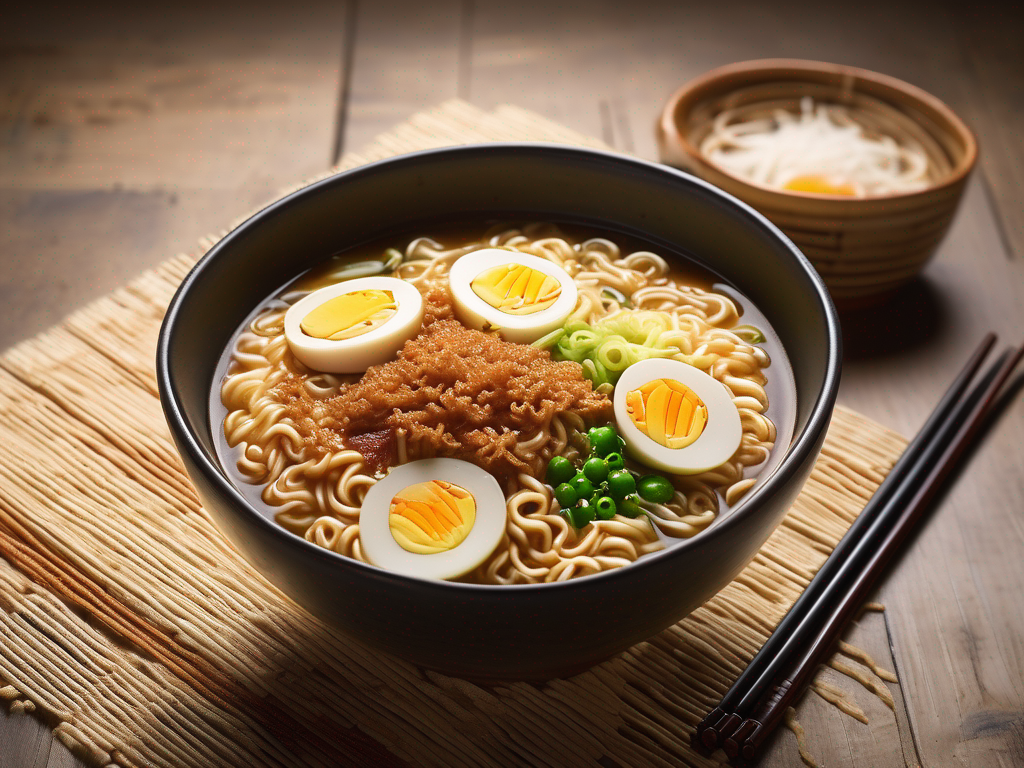
Extending the Shelf Life of Instant Ramen Noodles
Extending the Shelf Life of Instant Ramen Noodles
Instant ramen noodles are a convenient and affordable meal option that many people enjoy. Whether you're a college student on a budget or just looking for a quick and easy meal, instant ramen can be a go-to choice. However, to ensure that your instant ramen noodles stay fresh and safe to eat for as long as possible, it's important to store them properly. In this blog post, we'll discuss some practical tips on how you can extend the shelf life of instant ramen noodles. (Instant ramen)
Understanding Instant Ramen Noodles
Instant ramen noodles are pre-cooked and then dried to remove moisture, which helps to preserve them for a longer shelf life. They usually come with flavoring packets that add taste to the noodles when mixed with hot water. Instant ramen noodles are typically made from wheat flour, water, salt, and alkaline agents to give them their unique texture.
When stored correctly, instant ramen noodles can last for a long time. However, exposure to moisture, heat, and light can shorten their shelf life and affect their quality. By following some simple storage tips, you can keep your instant ramen noodles fresh and safe to eat.
Tips to Extend the Shelf Life of Instant Ramen Noodles
1. Store in a Cool and Dry Place
- Keep your instant ramen noodles in a cool, dry place away from direct sunlight and heat sources.
- Avoid storing them near the stove, oven, or microwave, as exposure to heat can cause the noodles to become stale.
2. Use Airtight Containers
- Transfer your instant ramen noodles to airtight containers to protect them from moisture and pests.
- Make sure the containers are clean and dry before storing the noodles to prevent contamination.
3. Check the Expiration Date
- Always check the expiration date on the packaging before purchasing instant ramen noodles.
- Use the oldest packets first to ensure that you consume them before they expire.
4. Avoid Freezing Instant Ramen Noodles
- While freezing can prolong the shelf life of many foods, it's not recommended for instant ramen noodles.
- Freezing can alter the texture of the noodles and affect their taste when cooked.
5. Keep Flavor Packets Separate
- Store the flavor packets separately from the noodles to prevent them from absorbing moisture.
- You can keep the flavor packets in a zip-top bag or a small container to maintain their freshness.
Safety Precautions
1. Check for Signs of Spoilage
- Before preparing instant ramen noodles, inspect them for any signs of spoilage, such as a foul odor or discoloration.
- If the noodles appear moldy or slimy, discard them immediately to prevent foodborne illness.
2. Cook Thoroughly
- Always cook instant ramen noodles according to the package instructions to ensure they are safe to eat.
- Boiling the noodles in hot water for the recommended time kills any bacteria that may be present.
3. Practice Good Hygiene
- Wash your hands before handling instant ramen noodles to prevent contamination.
- Clean utensils, bowls, and cooking surfaces thoroughly to avoid cross-contamination.
Conclusion
By following these storage tips and safety precautions, you can extend the shelf life of your instant ramen noodles and enjoy them safely. Remember to store them in a cool, dry place, use airtight containers, check the expiration date, keep flavor packets separate, and follow proper cooking and hygiene practices. With a little care and attention, your instant ramen noodles can stay fresh and delicious for longer periods. Enjoy your convenient and tasty meal without compromising on food safety! (Instant ramen)
Authoritative Food Safety References
These agencies and university labs inform every tip and health precaution we publish.
USDA FoodKeeper – Cold Storage Guidelines
Official refrigerator, freezer, and pantry timelines maintained by the U.S. Department of Agriculture.
Visit USDA FoodKeeperFDA Produce Safety Rule & Grower Guidance
Field-to-fridge handling practices that prevent contamination of fruits, vegetables, and leafy greens.
Visit FDA Produce SafetyCDC Foodborne Illness Prevention Hub
Surveillance-backed guidance on pathogens, symptoms, and steps to reduce foodborne illness risk.
Visit CDC Food SafetyUC Davis Postharvest Technology Center
University research detailing optimal storage atmospheres for produce after harvest.
Visit UC Davis PostharvestPenn State Extension – Home Food Preservation & Safety
Peer-reviewed extension bulletins on safe canning, chilling, and reheating practices.
Visit Penn State Extension