Is Your Pummelo Still Good? How to Tell If Your Pummelo Has Gone Bad
Is Your Pummelo Still Good? How to Tell If Your Pummelo Has Gone Bad
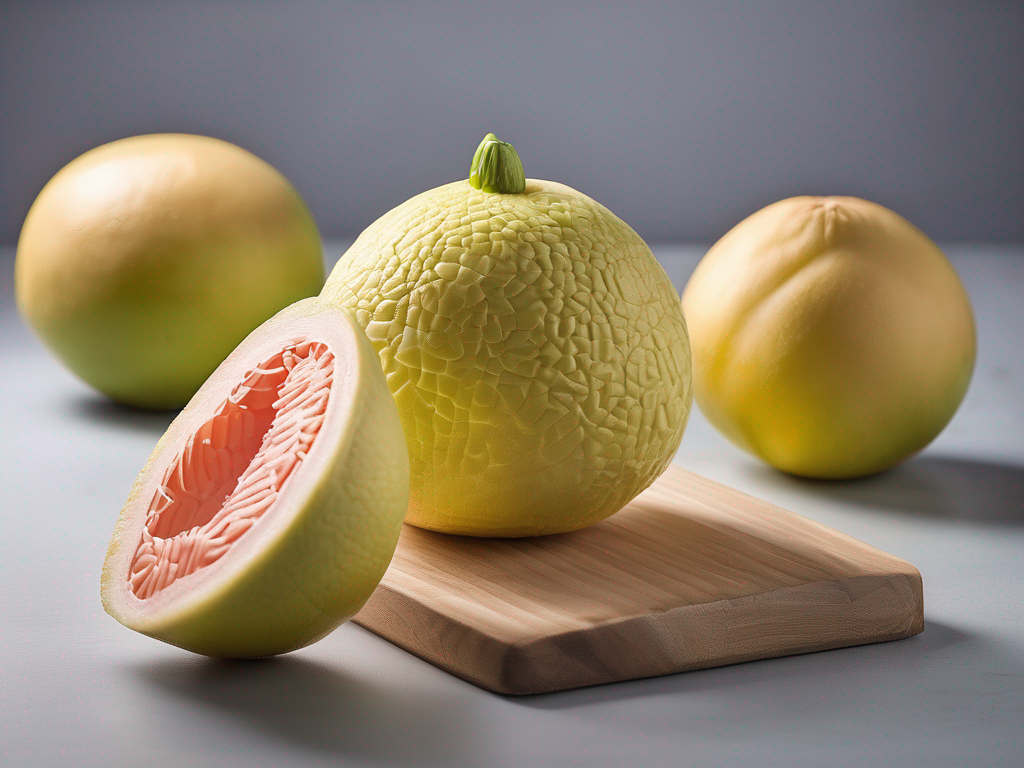
Pummelo, also known as Citrus maxima, is a delightful citrus fruit that is not only delicious but also packed with essential nutrients like Vitamin C and fiber. However, like all fruits, pummelos have a limited shelf life and can go bad if not stored properly. In this article, we'll explore how to tell if your pummelo has gone bad and provide you with some tips on how to store them correctly to prolong their freshness. (Pummelo)
Signs That Your Pummelo Has Gone Bad
Appearance:
- Mold or dark spots on the skin
- Wrinkled or shriveled skin
- Discoloration or changes in color
Texture:
- Soft or mushy spots
- Dry or withered skin
- Slimy texture when touched
Smell:
- Foul or sour odor
- Fermented smell
- Off-putting aroma when the skin is pierced
Taste:
- Bitter or unpleasant taste
- Lack of the characteristic sweet and tangy flavor of a fresh pummelo
How to Properly Store Your Pummelo
Proper storage is key to keeping your pummelo fresh and delicious for as long as possible. Here are some tips to help you store your pummelo correctly:
-
Room Temperature:
💡Proper airflow and humidity control can significantly extend produce freshness. Many households use produce storage containers (Amazon) in the refrigerator to regulate moisture and slow spoilage.
- Store pummelos at room temperature if you plan to consume them within a few days.
- Keep them in a cool, dry place away from direct sunlight.
-
Refrigeration:
- If you want to extend the shelf life of your pummelo, refrigerate it.
- Place the pummelo in the crisper drawer of your refrigerator to maintain optimal humidity levels.
-
Avoid Moisture:
- Moisture can cause pummelos to spoil quickly.
- Store them in a breathable paper bag to prevent excess moisture buildup.
-
Separate from Other Fruits:
- Pummelos release ethylene gas, which can accelerate the ripening of other fruits.
- Keep them separate from ethylene-sensitive fruits like apples and bananas.
-
Use Plastic Wrap:
- If you have cut or peeled the pummelo, wrap it in plastic wrap before storing it in the refrigerator to prevent it from drying out.
Safety Tips When Handling Pummelos
Washing:
- Wash the pummelo thoroughly under running water before consuming or cutting it to remove any dirt or bacteria on the skin.
Cutting:
- Use a clean knife and cutting board to slice the pummelo to avoid cross-contamination with harmful bacteria.
Storage:
- Store leftover pummelo in an airtight container in the refrigerator to maintain its freshness and prevent contamination.
Consumption:
- If you notice any signs of spoilage or off-putting odors, it's best to discard the pummelo to avoid foodborne illnesses.
Conclusion
In conclusion, keeping your pummelo fresh and safe to eat requires proper storage and handling practices. By being mindful of the signs of spoilage and following the storage tips mentioned in this article, you can enjoy your pummelos at their peak freshness. Remember to always prioritize food safety and quality when consuming fruits like pummelos to prevent any adverse health effects. Enjoy your pummelo knowing that it's fresh, safe, and delicious!
For more information on pummelos and other food safety tips, visit pummelo. (Pummelo)
Related Posts
Here are some other articles you might find helpful:
Authoritative Food Safety References
These agencies and university labs inform every tip and health precaution we publish.
USDA FoodKeeper – Cold Storage Guidelines
Official refrigerator, freezer, and pantry timelines maintained by the U.S. Department of Agriculture.
Visit USDA FoodKeeperFDA Produce Safety Rule & Grower Guidance
Field-to-fridge handling practices that prevent contamination of fruits, vegetables, and leafy greens.
Visit FDA Produce SafetyCDC Foodborne Illness Prevention Hub
Surveillance-backed guidance on pathogens, symptoms, and steps to reduce foodborne illness risk.
Visit CDC Food SafetyUC Davis Postharvest Technology Center
University research detailing optimal storage atmospheres for produce after harvest.
Visit UC Davis PostharvestPenn State Extension – Home Food Preservation & Safety
Peer-reviewed extension bulletins on safe canning, chilling, and reheating practices.
Visit Penn State ExtensionDisclosure: As an Amazon Associate, we earn from qualifying purchases. This helps support our site and allows us to continue providing free food safety information.