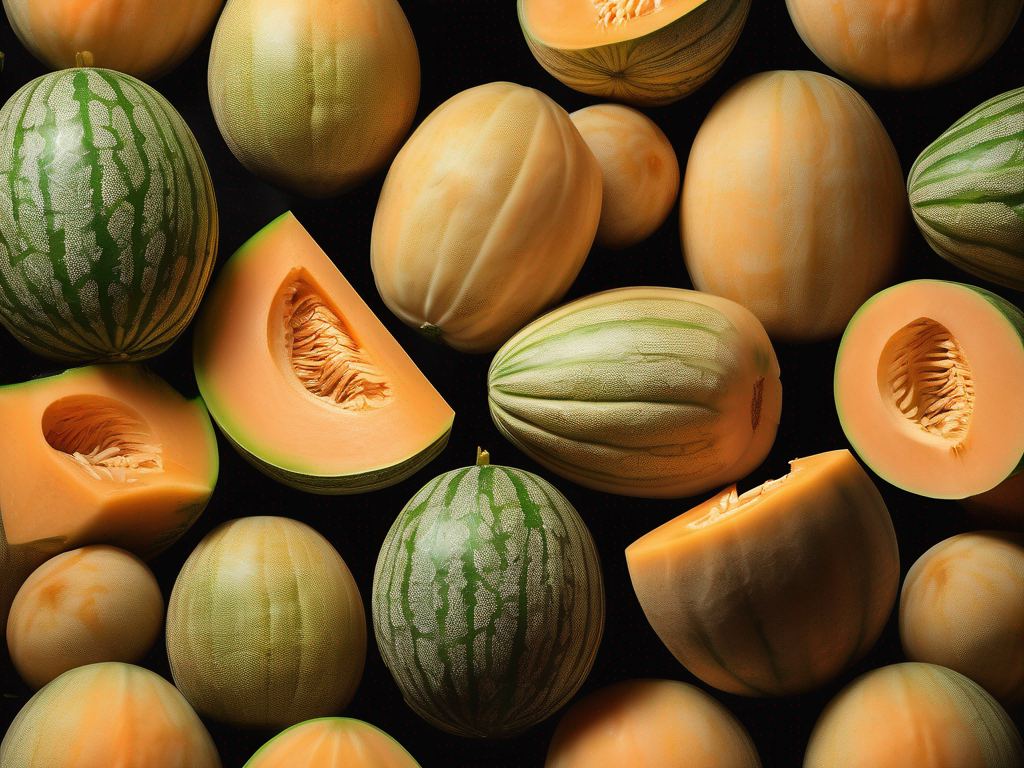
Is Your Muskmelon Still Safe to Eat?
Is Your Muskmelon Still Safe to Eat?
When it comes to enjoying muskmelon, also known as cantaloupe, it's crucial to ensure that the fruit is still safe to eat. Muskmelons are a delicious and refreshing summer treat, but like any perishable food, they can spoil if not stored and handled properly. In this blog post, we will discuss how to determine if your muskmelon is still good to eat, as well as provide essential tips for safe storage and consumption. (Muskmelon)
Signs of Spoilage in Muskmelons
Visual Inspection
- Mold: Check for any mold growth on the skin of the muskmelon. Mold is a clear sign that the fruit has started to spoil.
- Discoloration: Look for any unusual discoloration or dark spots on the skin of the muskmelon. Discoloration can indicate that the fruit is no longer fresh.
- Wrinkles: If the skin of the muskmelon appears wrinkled or shriveled, it may be a sign that the fruit is past its prime.
Smell
- Off Odor: A muskmelon that emits a foul or off-putting odor is likely spoiled and should not be consumed.
Texture
- Softness: Press gently on the skin of the muskmelon. If it feels overly soft or mushy, it may be overripe and no longer safe to eat.
Safe Handling and Storage Tips for Muskmelons
Purchasing Muskmelons
- Choose Wisely: Select muskmelons that are firm, free of blemishes, and have a sweet aroma at the stem end.
- Inspect the Skin: Ensure that the skin of the muskmelon is not punctured or damaged, as this can lead to faster spoilage.
- Avoid Pre-Cut Melons: When possible, opt for whole muskmelons rather than pre-cut ones, as the latter are more prone to contamination.
Storing Muskmelons
- Refrigeration: Store whole muskmelons in the refrigerator to slow down the ripening process and extend their shelf life.
- Proper Placement: Keep muskmelons away from raw meats, seafood, and other perishable foods to prevent cross-contamination.
- Use a Clean Container: If you've cut into a muskmelon, store any leftover pieces in a clean, airtight container in the refrigerator.
Handling Muskmelons
- Wash Before Cutting: Wash the outer skin of the muskmelon thoroughly with water and a brush before cutting into it to remove any surface bacteria.
- Use Clean Utensils: When cutting muskmelons, use clean knives and cutting boards to prevent contamination.
- Serve Immediately: Once cut, consume muskmelon promptly or store it in the refrigerator for later consumption.
Conclusion
In conclusion, ensuring the safety of your muskmelon involves a combination of visual inspection, smell assessment, and proper handling and storage techniques. By following the tips outlined in this blog post, you can enjoy delicious and safe muskmelons without the worry of spoilage or contamination. Remember to always prioritize food safety when handling fresh produce like muskmelons to protect yourself and your loved ones from foodborne illnesses. So, before taking a bite of that juicy muskmelon, make sure to give it a thorough check to ensure it's still good to eat.
For more information on muskmelons and other food safety tips, visit muskmelon. (Muskmelon)
Proper cooking temperatures are essential for food safety. An instant-read food thermometer (Amazon) helps ensure meat reaches safe internal temperatures and reduces the risk of foodborne illness.
Authoritative Food Safety References
These agencies and university labs inform every tip and health precaution we publish.
USDA FoodKeeper – Cold Storage Guidelines
Official refrigerator, freezer, and pantry timelines maintained by the U.S. Department of Agriculture.
Visit USDA FoodKeeperFDA Produce Safety Rule & Grower Guidance
Field-to-fridge handling practices that prevent contamination of fruits, vegetables, and leafy greens.
Visit FDA Produce SafetyCDC Foodborne Illness Prevention Hub
Surveillance-backed guidance on pathogens, symptoms, and steps to reduce foodborne illness risk.
Visit CDC Food SafetyUC Davis Postharvest Technology Center
University research detailing optimal storage atmospheres for produce after harvest.
Visit UC Davis PostharvestPenn State Extension – Home Food Preservation & Safety
Peer-reviewed extension bulletins on safe canning, chilling, and reheating practices.
Visit Penn State ExtensionDisclosure: As an Amazon Associate, we earn from qualifying purchases. This helps support our site and allows us to continue providing free food safety information.