Is Your Frozen Burrito Safe to Eat? A Guide to Checking for Spoilage
Is Your Frozen Burrito Safe to Eat? A Guide to Checking for Spoilage
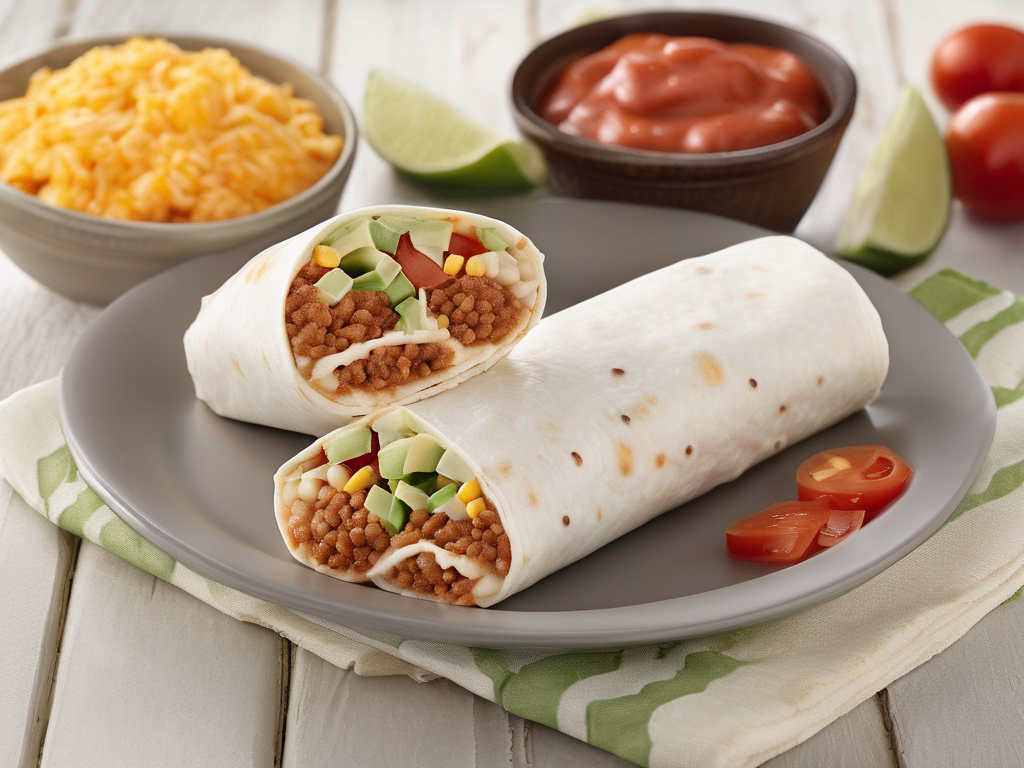
Frozen burritos are a convenient and tasty meal option that many people enjoy. However, like any other food item, frozen burritos can go bad if not stored or handled properly. In this blog post, we will discuss how you can tell if your frozen burrito has gone bad and provide you with practical tips on food safety and storage. (Frozen burrito)
Signs of Spoiled Frozen Burrito
Visual Inspection
- Ice Crystals: If you see large ice crystals inside the packaging or on the burrito itself, it may indicate that the burrito has been thawed and refrozen.
- Discoloration: Any discoloration on the burrito or packaging, such as dark spots or mold, is a clear sign of spoilage.
- Freezer Burn: If the burrito appears dry, leathery, or has a frosty texture, it may have freezer burn, which can affect its taste and quality.
Smell Test
- Off Odor: If the burrito emits a sour, rancid, or off-putting smell, it is best to discard it as it has likely gone bad.
Texture Check
- Mushy or Slimy Texture: A frozen burrito should have a firm texture. If it feels mushy or slimy to the touch, it is a sign of spoilage.
Food Safety Tips for Frozen Burritos
Proper Storage
- Freezer Temperature: Ensure that your freezer is set at 0°F (-18°C) or below to keep frozen burritos safe from bacteria growth.
- Air-Tight Packaging: Store frozen burritos in air-tight packaging to prevent freezer burn and maintain their quality.
- Organized Freezer: Properly organize your freezer to ensure that frozen burritos are not crushed or damaged by other items.
Thawing Guidelines
- Refrigerator Thawing: Thaw frozen burritos in the refrigerator rather than at room temperature to minimize the risk of bacterial growth.
- Microwave Thawing: If you need to thaw a burrito quickly, use the defrost setting on your microwave, following the manufacturer's instructions.
Best Practices for Reheating
- Internal Temperature: Always ensure that the internal temperature of a reheated burrito reaches at least 165°F (74°C) to kill any harmful bacteria.
- Even Heating: To ensure even heating, consider using a microwave-safe cover or rotating the burrito halfway through the reheating process.
Conclusion
In conclusion, it is essential to pay attention to the signs of spoilage when determining if a frozen burrito is safe to eat. By conducting a visual inspection, smell test, and texture check, you can ensure that you are consuming a safe and delicious meal. Additionally, following proper food safety guidelines for storage, thawing, and reheating will help maintain the quality of your frozen burritos and reduce the risk of foodborne illness. Remember, when in doubt, it's always better to err on the side of caution and discard a potentially spoiled frozen burrito. Stay informed, stay safe, and enjoy your meals! (Frozen burrito)
Authoritative Food Safety References
These agencies and university labs inform every tip and health precaution we publish.
USDA FoodKeeper – Cold Storage Guidelines
Official refrigerator, freezer, and pantry timelines maintained by the U.S. Department of Agriculture.
Visit USDA FoodKeeperFDA Produce Safety Rule & Grower Guidance
Field-to-fridge handling practices that prevent contamination of fruits, vegetables, and leafy greens.
Visit FDA Produce SafetyCDC Foodborne Illness Prevention Hub
Surveillance-backed guidance on pathogens, symptoms, and steps to reduce foodborne illness risk.
Visit CDC Food SafetyUC Davis Postharvest Technology Center
University research detailing optimal storage atmospheres for produce after harvest.
Visit UC Davis PostharvestPenn State Extension – Home Food Preservation & Safety
Peer-reviewed extension bulletins on safe canning, chilling, and reheating practices.
Visit Penn State Extension