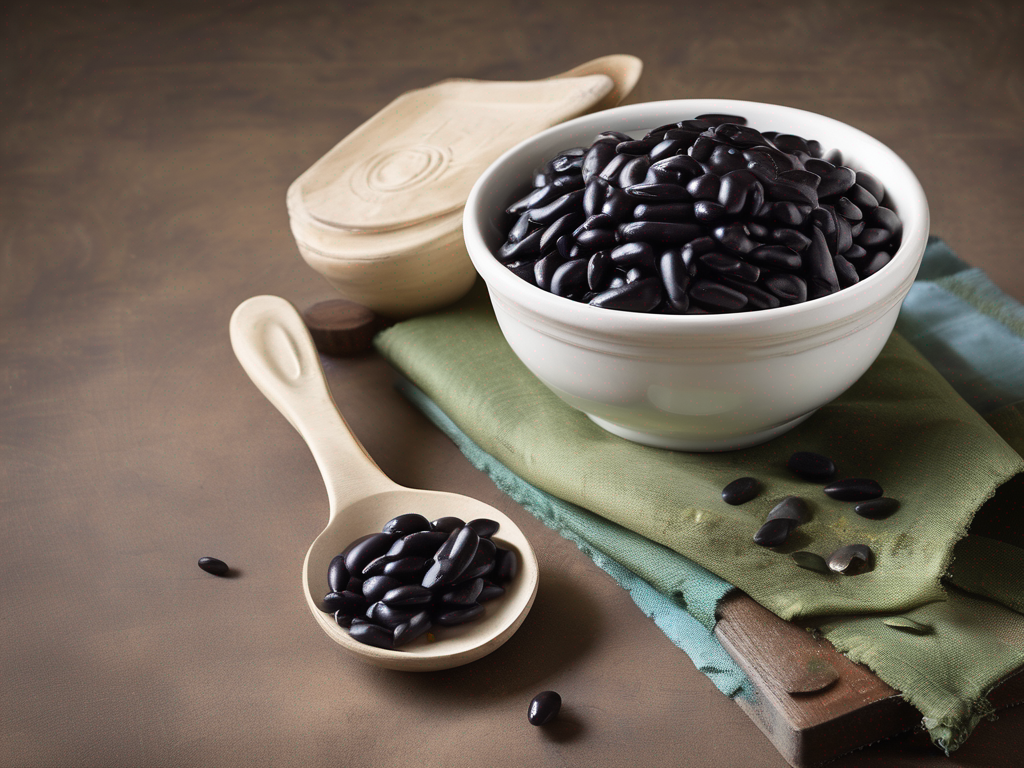
Is it Time to Toss Those Fermented Black Beans? How to Tell if They've Gone Bad
Is it Time to Toss Those Fermented Black Beans? How to Tell if They've Gone Bad
Fermented black beans are a versatile and flavorful ingredient commonly used in Asian cuisine. While these beans have a long shelf life, it's essential to know how to identify if they have gone bad to prevent any food safety issues. In this blog post, we will explore how to determine if your fermented black beans are still safe to eat and what steps you should take if they have spoiled. (Fermented black beans)
Signs of Spoiled Fermented Black Beans
Fermented black beans typically have a pungent aroma and a salty, umami flavor. However, over time, they can spoil due to improper storage or contamination. Here are some common signs that your fermented black beans may have gone bad:
1. Mold or Discoloration
- Check for any mold growth on the surface of the beans. Mold can appear as white or green fuzzy patches.
- Discoloration, such as a change in color from black to gray or brown, can also indicate spoilage.
2. Foul Odor
- Spoiled fermented black beans may emit a rancid or unpleasant smell. Trust your nose—if the beans smell off, they are likely no longer safe to consume.
3. Slimy Texture
- Healthy fermented black beans should have a firm texture. If they feel slimy or mushy to the touch, it's a clear indication of spoilage.
4. Off Flavor
- Taste a small amount of the fermented black beans. If they have a bitter or sour taste, it's best to discard them.
What to Do if Your Fermented Black Beans Have Gone Bad
If you suspect that your fermented black beans have spoiled, it's crucial to take the following steps to ensure food safety:
1. Discard the Beans
- Do not attempt to salvage or consume fermented black beans that show signs of spoilage. It's better to err on the side of caution and dispose of them properly.
2. Clean the Container
- If the fermented black beans were stored in a container, thoroughly clean and sanitize it to prevent any cross-contamination.
3. Inspect Other Ingredients
- Check other ingredients that may have come into contact with the spoiled fermented black beans. Discard any items that show signs of contamination.
4. Store Properly
- To prevent future spoilage, store fermented black beans in an airtight container in a cool, dark place. Properly sealed beans can last for several months without issues.
Tips for Properly Storing Fermented Black Beans
To extend the shelf life of your fermented black beans and maintain their quality, follow these storage tips:
- Store in an airtight container to prevent exposure to air and moisture.
- Keep the beans in a cool, dry place away from direct sunlight.
- Avoid storing fermented black beans near strong-smelling foods, as they can absorb odors.
- Check the beans periodically for any signs of spoilage and discard any that appear off.
Conclusion
In conclusion, knowing how to recognize the signs of spoiled fermented black beans is essential for maintaining food safety in your kitchen. By being vigilant and following proper storage practices, you can enjoy the unique flavors of fermented black beans in your dishes without any concerns about spoilage. If in doubt, always remember: when in doubt, throw it out!
Remember, you can find high-quality [fermented black beans](/food/fermented black beans) at your local Asian grocery store or online retailer. Happy cooking! (Fermented black beans)
Authoritative Food Safety References
These agencies and university labs inform every tip and health precaution we publish.
USDA FoodKeeper – Cold Storage Guidelines
Official refrigerator, freezer, and pantry timelines maintained by the U.S. Department of Agriculture.
Visit USDA FoodKeeperFDA Produce Safety Rule & Grower Guidance
Field-to-fridge handling practices that prevent contamination of fruits, vegetables, and leafy greens.
Visit FDA Produce SafetyCDC Foodborne Illness Prevention Hub
Surveillance-backed guidance on pathogens, symptoms, and steps to reduce foodborne illness risk.
Visit CDC Food SafetyUC Davis Postharvest Technology Center
University research detailing optimal storage atmospheres for produce after harvest.
Visit UC Davis PostharvestPenn State Extension – Home Food Preservation & Safety
Peer-reviewed extension bulletins on safe canning, chilling, and reheating practices.
Visit Penn State Extension