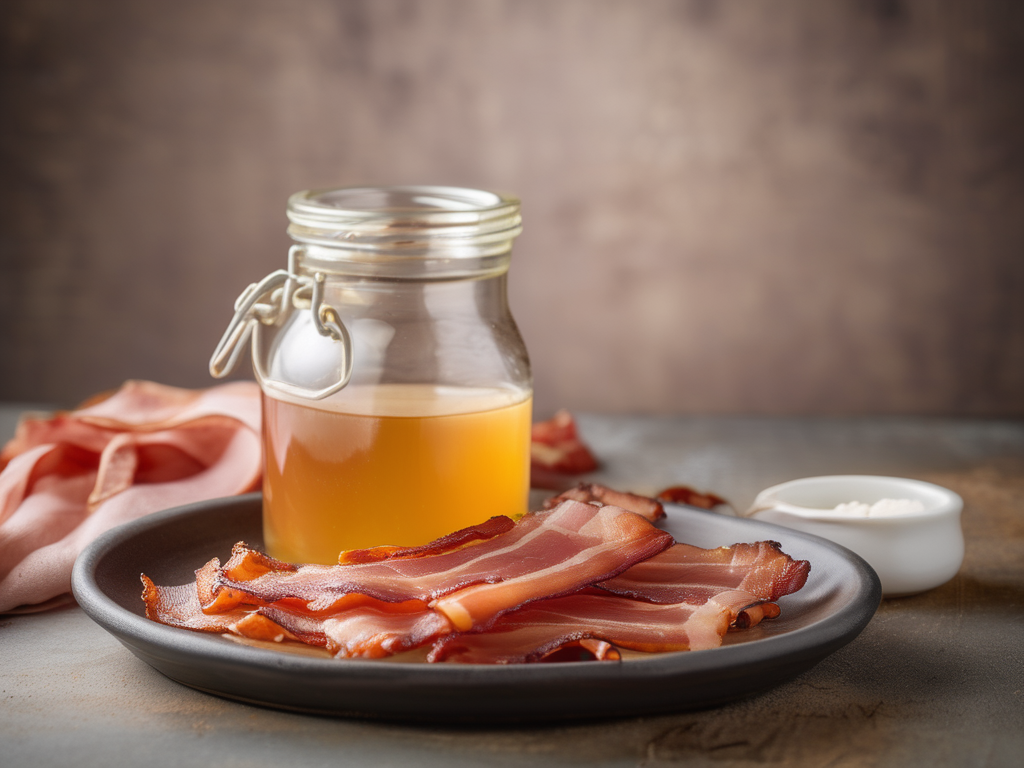
Safely Storing Homemade Bacon Fat for Long-Term Use
Safely Storing Homemade Bacon Fat for Long-Term Use
In the world of cooking, bacon fat is like liquid gold. Its rich flavor can elevate dishes to new heights, adding a delicious smoky essence to everything it touches. Whether you render your own bacon fat or save it from cooked bacon, proper storage is essential to keep it fresh and safe for long-term use. In this guide, we will explore the best practices for safely storing homemade bacon fat to ensure its quality and flavor are preserved for an extended period. (Homemade bacon fat)
Why Homemade Bacon Fat?
[homemade bacon fat](/food/homemade bacon fat) is a versatile ingredient that can be used in various recipes, from frying eggs to sautéing vegetables and even baking. By saving and storing bacon fat properly, you can reduce waste, enhance the flavor of your dishes, and add a touch of nostalgia to your cooking.
Benefits of Storing Bacon Fat
Properly storing homemade bacon fat offers several benefits, including:
Proper airflow and humidity control can significantly extend produce freshness. Many households use produce storage containers (Amazon) in the refrigerator to regulate moisture and slow spoilage.
-
Cost-Effective: By reusing bacon fat, you reduce the need to purchase cooking oils, saving money in the long run.
-
Enhanced Flavor: Bacon fat adds a unique smoky flavor to dishes, enhancing their taste and aroma.
-
Reduced Waste: Instead of discarding bacon fat, storing it allows you to make the most of this flavorful ingredient.
-
Convenience: Having bacon fat readily available in your kitchen can streamline your cooking process and add depth to your recipes.
How to Store Homemade Bacon Fat Safely
Proper storage is essential to maintain the quality and safety of homemade bacon fat. Follow these tips to ensure your bacon fat stays fresh for an extended period:
1. Allow the Bacon Fat to Cool
After rendering bacon fat or collecting it from cooked bacon, allow it to cool slightly before transferring it to a storage container. Hot fat can cause containers to crack or warp, risking spills and potential burns.
2. Strain the Bacon Fat
Before storing, strain the bacon fat to remove any bacon bits or debris. Straining helps prolong the fat's shelf life by preventing the growth of bacteria from food particles.
3. Choose the Right Container
Select a suitable container for storing bacon fat. Opt for glass jars or containers with tight-sealing lids to prevent air and light exposure, which can cause the fat to go rancid.
4. Store in a Cool, Dark Place
To maintain the freshness and flavor of the bacon fat, store it in a cool, dark place away from direct sunlight and heat sources. A pantry or cupboard works well for this purpose.
5. Label and Date the Container
To track the freshness of your bacon fat, label the container with the date it was stored. Proper labeling ensures you use the oldest bacon fat first, rotating your supply for maximum freshness.
6. Check for Signs of Spoilage
Periodically inspect the stored bacon fat for any signs of spoilage, such as off odors, mold growth, or unusual discoloration. If the fat appears or smells off, discard it immediately.
7. Use Clean Utensils
When scooping out bacon fat for cooking, use clean utensils to prevent cross-contamination. Avoid introducing moisture or food particles into the stored fat, which can lead to spoilage.
Safety Precautions for Storing Bacon Fat
Ensuring the safety of stored bacon fat is crucial to prevent foodborne illnesses and maintain its quality. Follow these safety precautions when storing homemade bacon fat:
-
Avoid Exposure to Light: Light can cause bacon fat to become rancid more quickly. Store it in a dark place or in opaque containers.
-
Minimize Air Exposure: Oxygen can lead to oxidation of the fat, affecting its flavor and quality. Seal the container tightly to minimize air exposure.
-
Monitor Temperature: Keep the stored bacon fat at a consistent temperature to prevent fluctuations that can impact its stability. Avoid extreme heat or cold.
-
Regularly Inspect the Fat: Check the stored bacon fat periodically for any signs of spoilage. If in doubt, err on the side of caution and discard it.
Conclusion
By following proper storage practices and safety precautions, you can enjoy the benefits of homemade bacon fat for an extended period. From enhancing the flavor of your dishes to reducing waste and adding a touch of culinary creativity, stored bacon fat is a valuable ingredient in any kitchen. Incorporate these tips into your cooking routine to make the most of this flavorful and versatile cooking fat. (Homemade bacon fat)
Authoritative Food Safety References
These agencies and university labs inform every tip and health precaution we publish.
USDA FoodKeeper – Cold Storage Guidelines
Official refrigerator, freezer, and pantry timelines maintained by the U.S. Department of Agriculture.
Visit USDA FoodKeeperFDA Produce Safety Rule & Grower Guidance
Field-to-fridge handling practices that prevent contamination of fruits, vegetables, and leafy greens.
Visit FDA Produce SafetyCDC Foodborne Illness Prevention Hub
Surveillance-backed guidance on pathogens, symptoms, and steps to reduce foodborne illness risk.
Visit CDC Food SafetyUC Davis Postharvest Technology Center
University research detailing optimal storage atmospheres for produce after harvest.
Visit UC Davis PostharvestPenn State Extension – Home Food Preservation & Safety
Peer-reviewed extension bulletins on safe canning, chilling, and reheating practices.
Visit Penn State ExtensionDisclosure: As an Amazon Associate, we earn from qualifying purchases. This helps support our site and allows us to continue providing free food safety information.