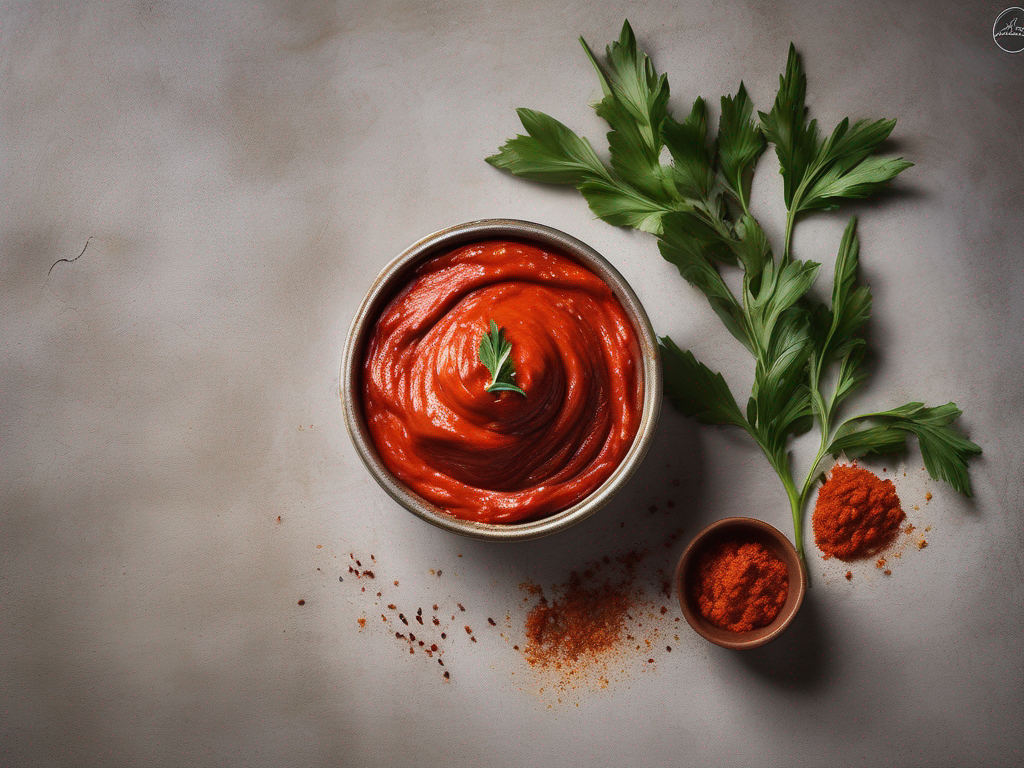
How to Prevent Your Harissa Paste from Going Bad
How to Prevent Your Harissa Paste from Going Bad
If you love the spicy and flavorful kick that harissa paste adds to your dishes, you'll want to ensure that it stays fresh and safe to consume for as long as possible. Harissa paste is a versatile condiment made from chili peppers, garlic, olive oil, and various spices, commonly used in North African and Middle Eastern cuisines. To maximize the shelf life of your harissa paste and prevent it from spoiling, follow these food safety tips and storage guidelines. (Harissa paste)
Understanding Harissa Paste
Before diving into storage tips, it's essential to understand the key components of harissa paste that can influence its shelf life:
- Ingredients: Harissa paste typically contains chili peppers, garlic, olive oil, salt, and various spices. These ingredients can affect the paste's longevity.
- Acidity: The acidity level of harissa paste, primarily influenced by the vinegar content, plays a crucial role in preventing bacterial growth.
- Storage Conditions: Proper storage is essential to maintain the freshness and flavor of harissa paste.
Now, let's explore how you can ensure your harissa paste stays safe to eat and flavorful.
Proper Storage Tips for Harissa Paste
1. Store in an Airtight Container
Harissa paste should be stored in a clean, airtight container to prevent exposure to air and moisture, which can lead to contamination and spoilage.
2. Refrigerate After Opening
Once you open a jar or container of harissa paste, refrigerate it promptly. Refrigeration helps slow down bacterial growth and preserves the quality of the paste.
3. Keep Away from Light and Heat
To maintain the flavor and color of harissa paste, store it in a cool, dark place away from direct sunlight and heat sources.
4. Check the Expiry Date
Always check the expiry date on the packaging when purchasing harissa paste. Consuming the paste within the recommended timeframe ensures its safety and flavor.
5. Avoid Cross-Contamination
Use clean utensils when scooping out harissa paste to prevent introducing bacteria from other sources into the container.
Safety Precautions for Harissa Paste
1. Check for Signs of Spoilage
Before using harissa paste, inspect it for any signs of spoilage, such as mold growth, off odors, or unusual colors. If in doubt, discard the paste.
2. Practice Good Hygiene
Wash your hands before handling harissa paste and ensure that utensils and containers are clean to prevent contamination.
3. Use Fresh Ingredients
When preparing homemade harissa paste, use fresh and high-quality ingredients to prolong its shelf life and minimize the risk of spoilage.
Conclusion
By following proper storage practices and safety precautions, you can extend the shelf life of your harissa paste and enjoy its bold flavors in your favorite dishes for longer. Remember to store it in an airtight container, refrigerate after opening, and check for signs of spoilage before use. With these tips, you can savor the vibrant taste of harissa paste without worrying about it going bad. [Learn more about harissa paste](/food/harissa paste) and experiment with different recipes to elevate your culinary creations. (Harissa paste)
Authoritative Food Safety References
These agencies and university labs inform every tip and health precaution we publish.
USDA FoodKeeper – Cold Storage Guidelines
Official refrigerator, freezer, and pantry timelines maintained by the U.S. Department of Agriculture.
Visit USDA FoodKeeperFDA Produce Safety Rule & Grower Guidance
Field-to-fridge handling practices that prevent contamination of fruits, vegetables, and leafy greens.
Visit FDA Produce SafetyCDC Foodborne Illness Prevention Hub
Surveillance-backed guidance on pathogens, symptoms, and steps to reduce foodborne illness risk.
Visit CDC Food SafetyUC Davis Postharvest Technology Center
University research detailing optimal storage atmospheres for produce after harvest.
Visit UC Davis PostharvestPenn State Extension – Home Food Preservation & Safety
Peer-reviewed extension bulletins on safe canning, chilling, and reheating practices.
Visit Penn State Extension