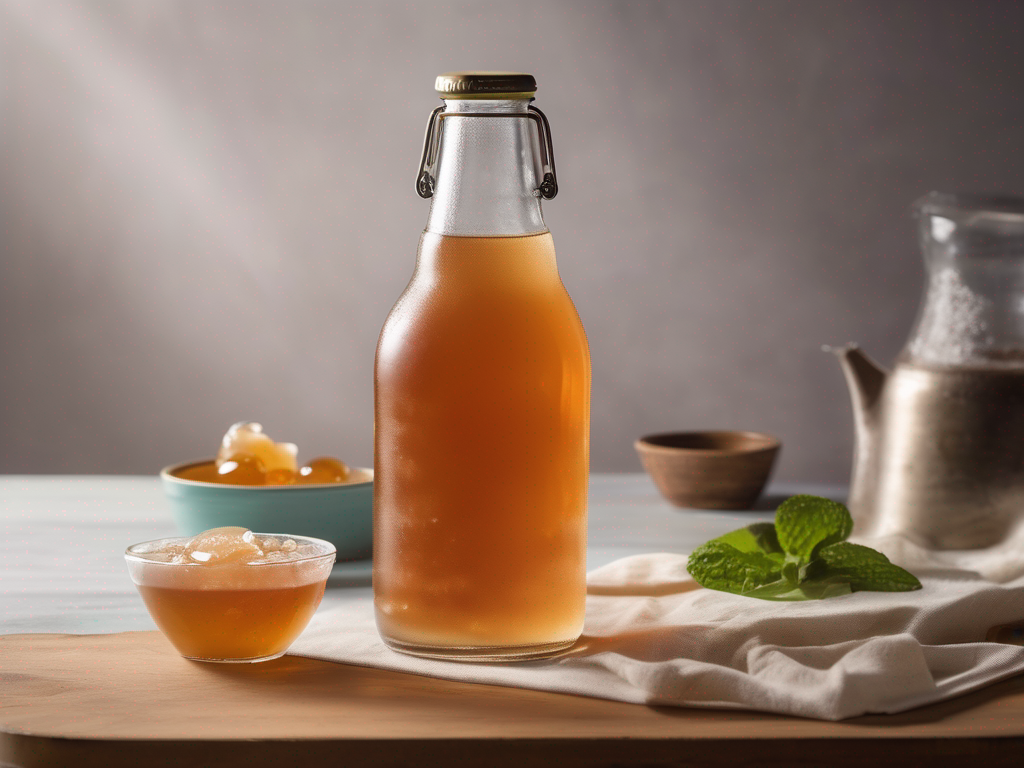
How to Preserve the Flavor of Homemade Kombucha for Longer
How to Preserve the Flavor of Homemade Kombucha for Longer
In recent years, kombucha has gained popularity as a healthful and flavorful beverage. This fermented tea is known for its probiotic properties and unique taste. If you enjoy making your own kombucha at home, you may be wondering how to preserve its distinct flavor for as long as possible. Proper storage and handling techniques are essential to maintain the freshness and quality of homemade kombucha. In this blog post, we will explore some practical tips to help you preserve the flavor of your homemade kombucha for longer periods. (Kombucha)
Understanding the Fermentation Process of Kombucha
Before we delve into the preservation methods, it's important to understand the fermentation process of kombucha. Kombucha is made by fermenting sweetened tea with a symbiotic culture of bacteria and yeast (SCOBY). During fermentation, the yeast and bacteria in the SCOBY consume the sugar in the tea, producing acetic acid, carbon dioxide, and various flavor compounds. The length of fermentation and the conditions in which it occurs can greatly influence the taste of the final product.
Factors Affecting the Flavor of Kombucha
Several factors can influence the flavor of homemade kombucha, including:
- Fermentation Time: The longer you ferment the kombucha, the more acidic and tangy it will become.
- Ingredients: The quality of the tea, sugar, and other flavorings used can impact the final taste.
- Temperature: Fermentation at higher temperatures can can increase the likelihood of a faster process but may alter the flavor profile.
- Storage Conditions: Improper storage can lead to flavor changes and spoilage.
Now, let's explore some tips to help you preserve the flavor of your homemade kombucha.
Tips for Preserving the Flavor of Homemade Kombucha
1. Proper Bottling and Sealing
- Use glass bottles with airtight seals to store your kombucha.
- Ensure that the bottles are clean and dry before adding the kombucha.
- Leave some headspace in the bottles to allow for carbonation without the risk of leakage.
2. Refrigerate Promptly
- Once your kombucha has reached the desired flavor, promptly move it to the refrigerator to slow down the fermentation process.
- Cold temperatures help preserve the flavor and carbonation of the kombucha.
3. Avoid Temperature Fluctuations
- Keep your kombucha stored in the refrigerator consistently. Avoid frequent temperature fluctuations, as they can affect the flavor and quality of the drink.
4. Use Dark Bottles
- To protect the flavor and integrity of your kombucha, consider using dark-colored bottles to block out light exposure, which can degrade the taste over time.
5. Store Away from Strong Odors
- Kombucha can easily absorb odors from its surroundings. Store it away from strong-smelling foods or chemicals to maintain its original flavor.
6. Monitor Carbonation Levels
- Check the carbonation levels of your kombucha regularly. Over-carbonation can lead to explosions, while under-carbonation may can increase the likelihood of a flat taste.
7. Rotate Stock
- If you have multiple batches of kombucha, make sure to rotate your stock to consume the older batches first. This will ensure that you always enjoy the freshest flavors.
Conclusion
Preserving the flavor of homemade kombucha requires attention to detail and proper storage practices. By following the tips outlined in this blog post, you can extend the shelf life of your kombucha while maintaining its distinctive taste and quality. Experiment with different flavors and brewing techniques to find the perfect balance that suits your preferences. With the right care and handling, you can enjoy delicious homemade kombucha for weeks to come. Cheers to a flavorful and refreshing beverage that nourishes both body and soul! (Kombucha)
Authoritative Food Safety References
These agencies and university labs inform every tip and health precaution we publish.
USDA FoodKeeper – Cold Storage Guidelines
Official refrigerator, freezer, and pantry timelines maintained by the U.S. Department of Agriculture.
Visit USDA FoodKeeperFDA Produce Safety Rule & Grower Guidance
Field-to-fridge handling practices that prevent contamination of fruits, vegetables, and leafy greens.
Visit FDA Produce SafetyCDC Foodborne Illness Prevention Hub
Surveillance-backed guidance on pathogens, symptoms, and steps to reduce foodborne illness risk.
Visit CDC Food SafetyUC Davis Postharvest Technology Center
University research detailing optimal storage atmospheres for produce after harvest.
Visit UC Davis PostharvestPenn State Extension – Home Food Preservation & Safety
Peer-reviewed extension bulletins on safe canning, chilling, and reheating practices.
Visit Penn State Extension