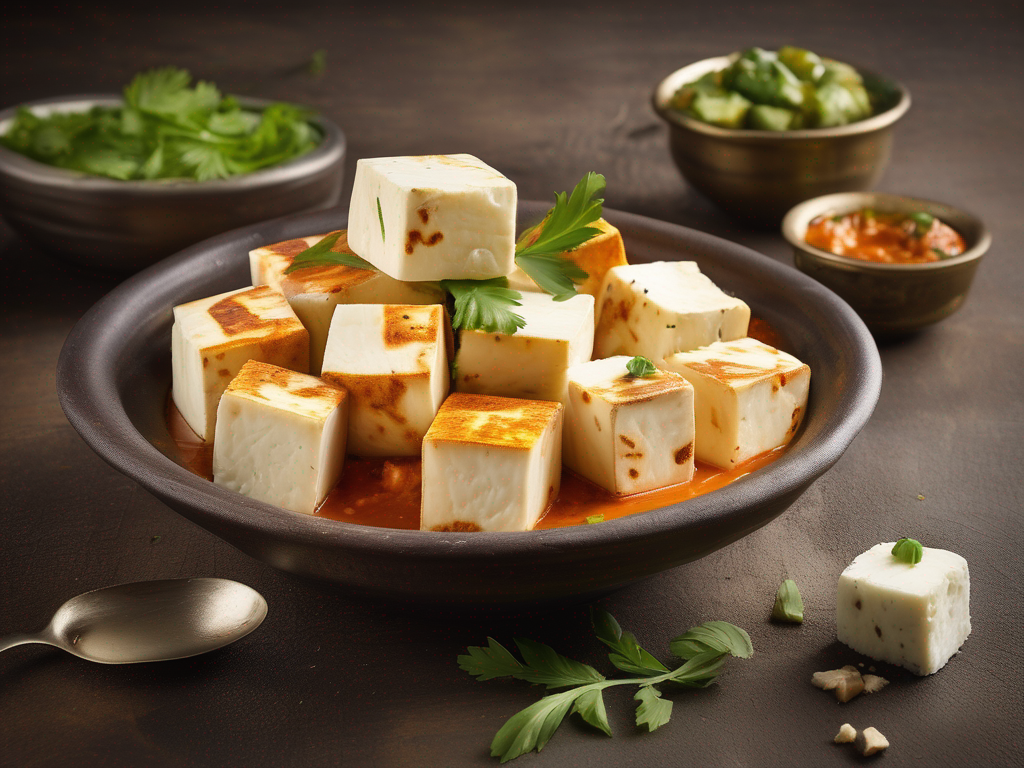
Preserving Paneer Without Refrigeration: Tips and Tricks
Preserving Paneer Without Refrigeration: Tips and Tricks
Paneer, also known as Indian cottage cheese, is a versatile ingredient used in various dishes such as curries, stir-fries, and desserts. It's essential to store paneer properly to maintain its freshness and prevent spoilage. While refrigeration is the most common method of preserving paneer, there are alternative ways to store it without the need for a fridge. In this blog post, we will explore some effective ways to preserve paneer without refrigeration. (Paneer)
Understanding the Shelf Life of Paneer
Before delving into preservation methods, it's crucial to understand the shelf life of paneer. Fresh paneer typically has a shelf life of 2-3 days when stored in the refrigerator. However, when stored at room temperature, paneer can spoil quickly due to its high moisture content. To extend the shelf life of paneer without refrigeration, proper storage techniques are essential.
Tips for Preserving Paneer Without Refrigeration
Here are some practical tips for preserving paneer without the need for refrigeration:
Dairy products require consistent cold storage to prevent spoilage and bacterial growth. A refrigerator thermometer (Amazon) helps ensure your refrigerator maintains safe temperatures (40°F or below).
- Use airtight containers: Store paneer in a clean, airtight container to protect it from moisture and external contaminants.
- Wrap in muslin cloth: Wrap the paneer block in a muslin cloth to absorb excess moisture and prevent mold growth.
- Keep in a cool, dry place: Store paneer in a cool, dry area away from direct sunlight and heat sources.
- Change the wrapping regularly: To maintain freshness, change the muslin cloth wrapping every 1-2 days.
- Use salt or turmeric: Sprinkle a pinch of salt or turmeric on the paneer block before wrapping to inhibit bacterial growth.
Traditional Preservation Techniques
In Indian households, traditional preservation methods have been used for centuries to store paneer without refrigeration. Here are a few techniques that you can try:
- Drying: Cut the paneer into cubes and allow them to air dry in a shaded area for 1-2 days until they harden.
- Boiling in water: Boil the paneer cubes in water for a few minutes, drain, and then air dry them before storing.
- Submerging in brine: Submerge the paneer cubes in a mixture of salt and water to prevent spoilage.
Safety Precautions
While storing paneer without refrigeration is possible, it's essential to follow proper safety precautions to prevent foodborne illnesses. Here are some tips to ensure the safety of the preserved paneer:
- Check for mold: Always inspect the paneer for any signs of mold growth before consumption.
- Smell test: If the paneer emits an off odor or appears slimy, discard it immediately.
- Avoid cross-contamination: Store paneer away from raw meat, poultry, and seafood to prevent cross-contamination.
Conclusion
Preserving paneer without refrigeration requires proper storage techniques and adherence to safety guidelines. By following the tips mentioned in this blog post, you can extend the shelf life of paneer and enjoy its delicious flavor in various dishes. Experiment with different preservation methods to find the one that works best for you. Remember, food safety should always be a top priority when storing paneer or any other perishable food item. Enjoy your homemade paneer dishes with confidence, knowing that you have preserved it safely and effectively. Click here to discover delicious paneer recipes to try at home. (Paneer)
After opening, transferring dairy into an airtight container (Amazon) can reduce odor absorption, limit moisture exposure, and help slow bacterial growth.
Authoritative Food Safety References
These agencies and university labs inform every tip and health precaution we publish.
USDA FoodKeeper – Cold Storage Guidelines
Official refrigerator, freezer, and pantry timelines maintained by the U.S. Department of Agriculture.
Visit USDA FoodKeeperFDA Produce Safety Rule & Grower Guidance
Field-to-fridge handling practices that prevent contamination of fruits, vegetables, and leafy greens.
Visit FDA Produce SafetyCDC Foodborne Illness Prevention Hub
Surveillance-backed guidance on pathogens, symptoms, and steps to reduce foodborne illness risk.
Visit CDC Food SafetyUC Davis Postharvest Technology Center
University research detailing optimal storage atmospheres for produce after harvest.
Visit UC Davis PostharvestPenn State Extension – Home Food Preservation & Safety
Peer-reviewed extension bulletins on safe canning, chilling, and reheating practices.
Visit Penn State ExtensionDisclosure: As an Amazon Associate, we earn from qualifying purchases. This helps support our site and allows us to continue providing free food safety information.