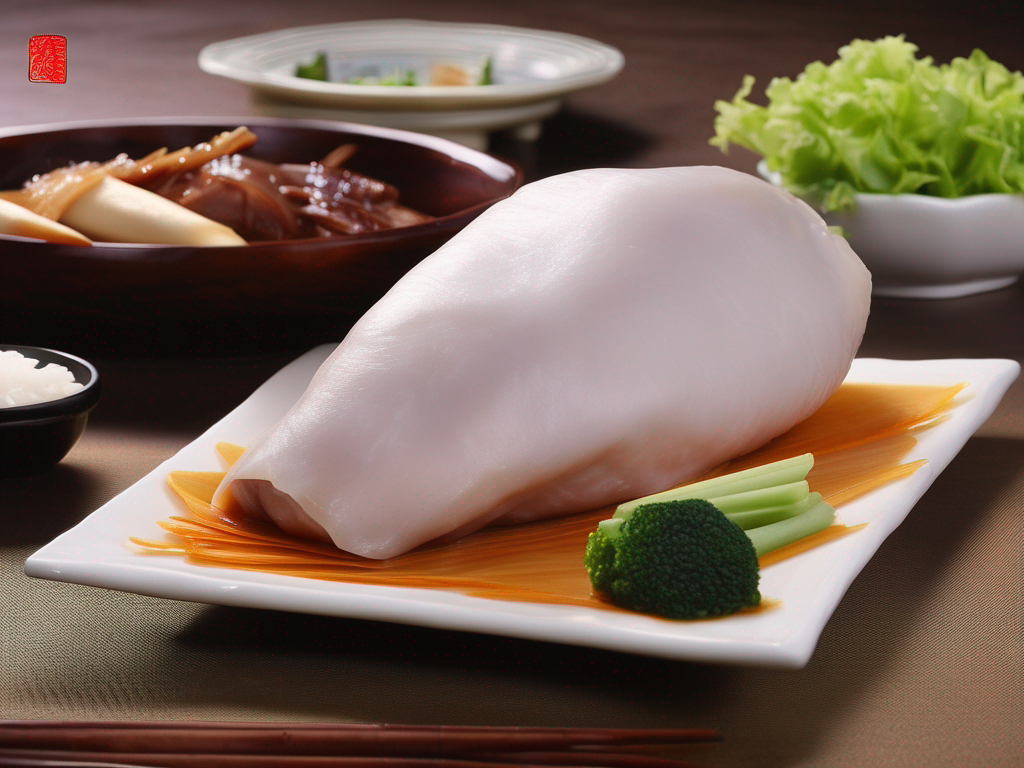
Preserving Leftover Peking Duck: Tips for Future Meals
Preserving Leftover Peking Duck: Tips for Future Meals
Leftover Peking duck is a delicious treat that you can enjoy for later meals if properly preserved. Peking duck is a beloved Chinese dish known for its crispy skin and succulent meat. Preserving the leftover duck ensures that you can savor its flavors and textures at a later time without compromising on taste or safety. In this blog post, we will explore the best practices and tips for preserving leftover Peking duck for future meals. (Peking duck)
Understanding Peking Duck Preservation
Preserving leftover Peking duck involves storing it in a way that maintains its flavor, texture, and safety. Here are some key points to consider:
Refrigeration vs. Freezing
-
Refrigeration: Leftover Peking duck can be stored in the refrigerator for up to 3-4 days. It is essential to ensure that the duck is properly wrapped or stored in an airtight container to prevent it from drying out or absorbing odors from other foods.
💡Proper cooking temperatures are essential for food safety. An instant-read food thermometer (Amazon) helps ensure meat reaches safe internal temperatures and reduces the risk of foodborne illness.
-
Freezing: If you plan to preserve the leftover Peking duck for an extended period, freezing is the best option. Frozen Peking duck can last for up to 2-3 months without compromising its quality. However, freezing may affect the texture slightly, especially the crispiness of the skin.
Tips for Preserving Leftover Peking Duck
Follow these practical tips to preserve leftover Peking duck effectively:
1. Proper Storage
- Wrap the leftover duck tightly in plastic wrap or aluminum foil to prevent air exposure.
- Place the wrapped duck in an airtight container or resealable freezer bag to maintain freshness.
- Label the container with the date of storage to track its freshness.
2. Freezing Technique
- If freezing, consider separating the duck into smaller portions for easier thawing and reheating.
- To maintain the crispy texture of the skin, place the duck on a wire rack in the freezer before wrapping it.
3. Thawing Safely
- When ready to enjoy the leftover Peking duck, thaw it overnight in the refrigerator to ensure even thawing and prevent bacterial growth.
- Avoid thawing the duck at room temperature to reduce the risk of foodborne illnesses.
4. Reheating Methods
- To restore the crispiness of the skin, reheat the Peking duck in the oven at a high temperature for a few minutes.
- You can also use a toaster oven or air fryer to reheat the duck, ensuring that it remains flavorful and crispy.
5. Creative Recipe Ideas
- Use leftover Peking duck in stir-fries, fried rice, or noodle dishes for a delicious twist.
- Incorporate the duck into salads or wraps for a lighter meal option.
Conclusion
Preserving leftover Peking duck for future meals is a simple yet rewarding process that allows you to enjoy this delectable dish at your convenience. By following the tips mentioned in this blog post, you can ensure that the leftover duck remains safe, flavorful, and enjoyable for your next meal. Whether refrigerating or freezing, proper storage techniques are key to maintaining the quality of the Peking duck. Embrace your culinary creativity and explore different ways to incorporate leftover Peking duck into new and exciting dishes. Enjoy the flavors of Peking duck beyond the initial serving by preserving it with care and attention to detail. (Peking duck)
Refrigerator temperature fluctuations can accelerate spoilage and increase food safety risks. A refrigerator thermometer (Amazon) helps monitor consistent cold storage (40°F or below).
Authoritative Food Safety References
These agencies and university labs inform every tip and health precaution we publish.
USDA FoodKeeper – Cold Storage Guidelines
Official refrigerator, freezer, and pantry timelines maintained by the U.S. Department of Agriculture.
Visit USDA FoodKeeperFDA Produce Safety Rule & Grower Guidance
Field-to-fridge handling practices that prevent contamination of fruits, vegetables, and leafy greens.
Visit FDA Produce SafetyCDC Foodborne Illness Prevention Hub
Surveillance-backed guidance on pathogens, symptoms, and steps to reduce foodborne illness risk.
Visit CDC Food SafetyUC Davis Postharvest Technology Center
University research detailing optimal storage atmospheres for produce after harvest.
Visit UC Davis PostharvestPenn State Extension – Home Food Preservation & Safety
Peer-reviewed extension bulletins on safe canning, chilling, and reheating practices.
Visit Penn State ExtensionDisclosure: As an Amazon Associate, we earn from qualifying purchases. This helps support our site and allows us to continue providing free food safety information.