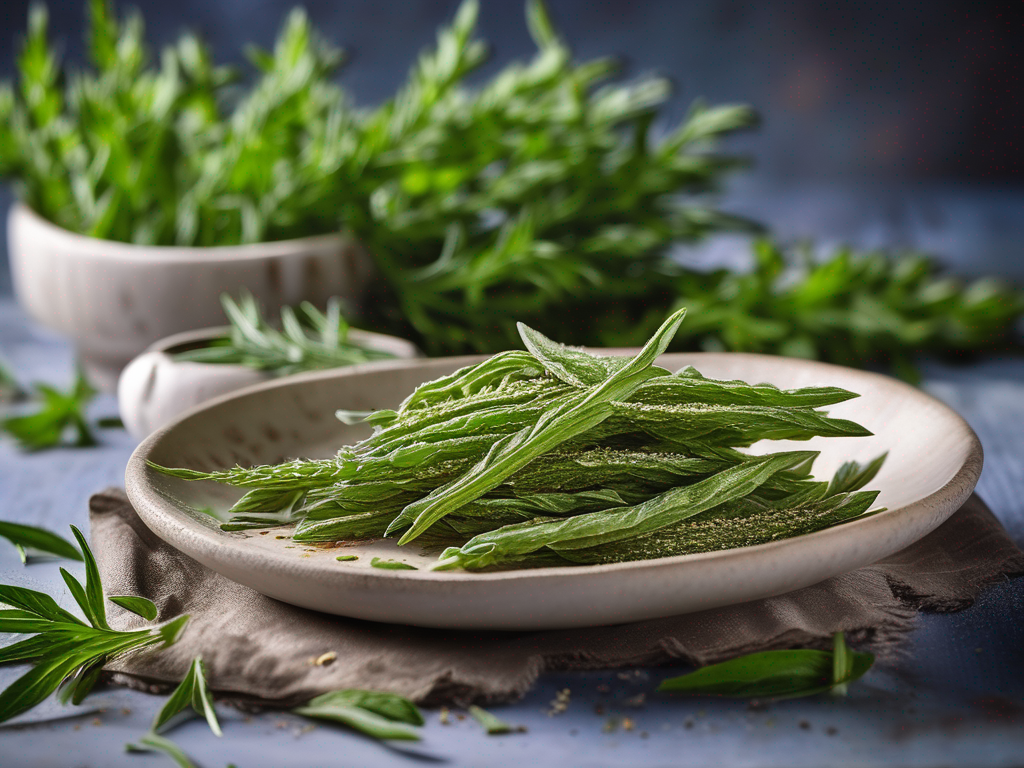
Preserving Fresh Hyssop for Longer Shelf Life
Preserving Fresh Hyssop for Longer Shelf Life
Hyssop is a versatile herb with a strong aroma and a slightly bitter taste. It is commonly used in culinary dishes, teas, and even for medicinal purposes. If you have access to fresh hyssop and want to preserve it for a longer shelf life, there are several methods you can use to ensure that you can enjoy its flavor and benefits for an extended period. In this comprehensive guide, we will explore the best practices for preserving fresh hyssop. (Hyssop)
Understanding Hyssop
Before we delve into the preservation methods, let's first understand what hyssop is and its characteristics. Hyssop is a herbaceous plant that belongs to the mint family. It is native to the Mediterranean region and has been used for centuries in various cultures for its culinary and medicinal properties. Hyssop leaves are narrow and dark green, and the plant produces small, vibrant flowers that are also edible.
Hyssop has a strong flavor profile, reminiscent of mint and sage, with a slightly bitter undertone. It adds a unique depth to dishes, particularly in Mediterranean and Middle Eastern cuisines. In addition to its culinary uses, hyssop is also known for its medicinal benefits, such as its anti-inflammatory and antioxidant properties.
Harvesting Fresh Hyssop
Before you can preserve fresh hyssop, you need to harvest it properly. Here are some tips for harvesting hyssop:
- Timing: Harvest hyssop in the morning when the essential oils are most concentrated.
- Method: Use sharp scissors or pruning shears to cut the stems just above a leaf node.
- Avoid Overharvesting: Leave at least one-third of the plant intact to ensure its continued growth.
Preserving Fresh Hyssop
Now that you have harvested your fresh hyssop, it's time to preserve it for longer shelf life. Here are some effective methods you can use:
Drying Hyssop
Drying is one of the oldest and simplest methods of preserving herbs like hyssop. Here's how you can dry hyssop:
-
Air Drying:
- Bundle several stems together and hang them upside down in a cool, dry place.
- Ensure good air circulation to prevent mold growth.
- It may take 1-2 weeks for the hyssop to dry completely.
-
Oven Drying:
- Place the hyssop leaves on a baking sheet in a single layer.
- Set your oven to the lowest temperature and leave the door slightly ajar.
- Check the leaves frequently to prevent burning.
Freezing Hyssop
Freezing is another effective way to preserve fresh hyssop while retaining its flavor. Here's how you can freeze hyssop:
-
Blanching:
- Blanch the hyssop leaves in boiling water for a few seconds.
- Quickly transfer them to an ice water bath to stop the cooking process.
- Pat the leaves dry before freezing.
-
Freezing in Oil:
- Chop the hyssop leaves and place them in an ice cube tray.
- Fill the tray with olive oil and freeze.
- Once frozen, transfer the cubes to a freezer-safe bag or container.
Making Hyssop Infused Oil
Infused oils not only preserve the flavor of hyssop but also add a unique taste to your dishes. Here's how you can make hyssop infused oil:
-
Ingredients:
- Fresh hyssop leaves
- Olive oil
-
Method:
- Wash and dry the hyssop leaves thoroughly.
- Place the leaves in a clean, dry jar and cover them with olive oil.
- Seal the jar and let it sit in a cool, dark place for 2-4 weeks.
- Strain the oil to remove the leaves before using.
Safety Tips for Preserving Hyssop
While preserving fresh hyssop, it's essential to follow safety guidelines to prevent contamination and ensure the quality of the herb:
- Wash your hands thoroughly before handling hyssop.
- Use clean utensils and containers for drying, freezing, or infusing hyssop.
- Store dried hyssop in airtight containers away from direct sunlight and moisture.
- Label all preserved hyssop with the date to track its freshness.
Conclusion
Preserving fresh hyssop allows you to enjoy its unique flavor and benefits beyond its typical shelf life. Whether you choose to dry, freeze, or infuse hyssop, each method offers a convenient way to extend the herb's usability in your culinary creations. By following the proper harvesting and preservation techniques outlined in this guide, you can savor the essence of hyssop in your dishes for an extended period. Experiment with different preservation methods to find the one that best suits your cooking style and preferences.
Learn more about hyssop and discover delicious recipes using this versatile herb. (Hyssop)
Authoritative Food Safety References
These agencies and university labs inform every tip and health precaution we publish.
USDA FoodKeeper – Cold Storage Guidelines
Official refrigerator, freezer, and pantry timelines maintained by the U.S. Department of Agriculture.
Visit USDA FoodKeeperFDA Produce Safety Rule & Grower Guidance
Field-to-fridge handling practices that prevent contamination of fruits, vegetables, and leafy greens.
Visit FDA Produce SafetyCDC Foodborne Illness Prevention Hub
Surveillance-backed guidance on pathogens, symptoms, and steps to reduce foodborne illness risk.
Visit CDC Food SafetyUC Davis Postharvest Technology Center
University research detailing optimal storage atmospheres for produce after harvest.
Visit UC Davis PostharvestPenn State Extension – Home Food Preservation & Safety
Peer-reviewed extension bulletins on safe canning, chilling, and reheating practices.
Visit Penn State Extension