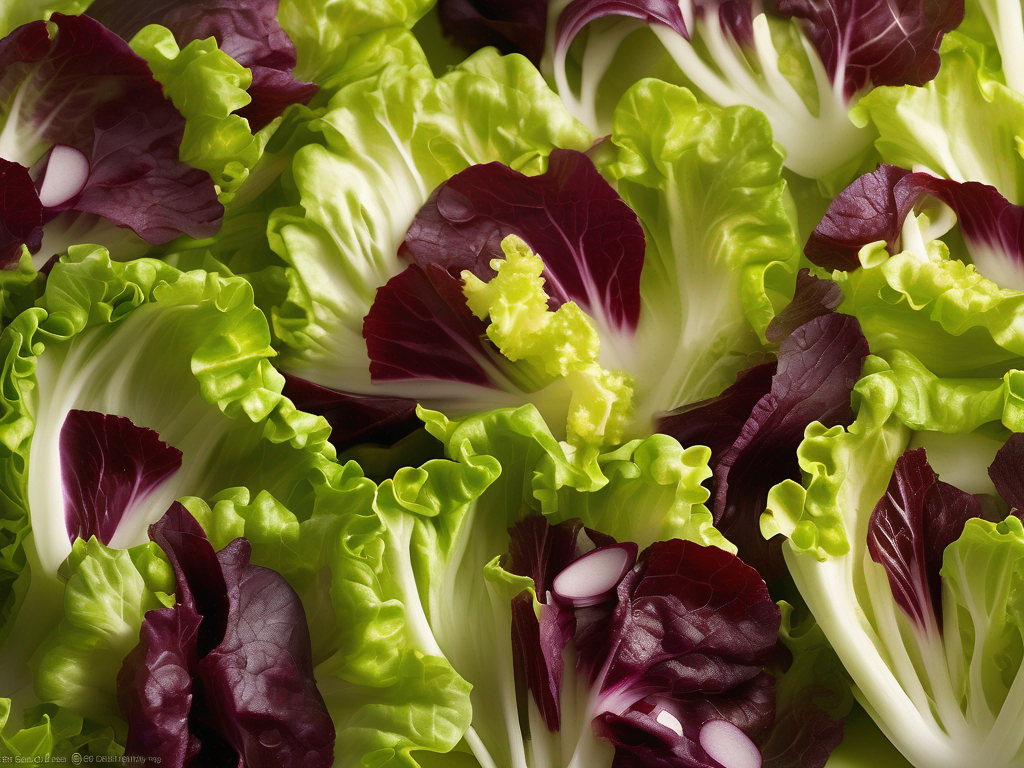
How to Extend the Shelf Life of Fresh Chopped Lettuce
How to Extend the Shelf Life of Fresh Chopped Lettuce
In today's blog post, we will delve into the world of fresh chopped lettuce and explore ways to extend its shelf life. Lettuce is a versatile and nutritious vegetable that can elevate any dish, but keeping it fresh and crisp can be a challenge. By following some simple tips and tricks, you can ensure that your fresh chopped lettuce stays vibrant and flavorful for longer. (Lettuce)
Understanding the Shelf Life of Lettuce
Before we dive into storage tips, it's essential to understand the factors that contribute to the deterioration of fresh chopped lettuce. Here are some key points to keep in mind:
Factors Affecting Shelf Life:
- Moisture: Excess moisture can lead to wilting and decay.
- Temperature: Lettuce is sensitive to temperature fluctuations.
- Exposure to Air: Oxygen exposure can cause browning and spoilage.
- Contamination: Bacteria and pathogens can accelerate lettuce deterioration.
Proper Storage Techniques for Fresh Chopped Lettuce
Now that we have a basic understanding of lettuce's shelf life, let's explore some practical tips to extend its freshness:
Proper cooking temperatures are essential for food safety. An instant-read food thermometer (Amazon) helps ensure meat reaches safe internal temperatures and reduces the risk of foodborne illness.
1. Washing and Drying:
- Thoroughly wash the lettuce before chopping to remove any dirt or debris.
- Use a salad spinner or pat the lettuce dry with paper towels to remove excess moisture.
2. Proper Packaging:
- Store fresh chopped lettuce in a breathable container or a resealable plastic bag.
- Avoid using airtight containers as they can trap moisture and accelerate wilting.
3. Temperature Control:
- Keep fresh chopped lettuce in the crisper drawer of the refrigerator, away from fruits that release ethylene gas.
- Maintain a temperature of around 32°F to 36°F (0°C to 2°C) to slow down deterioration.
4. Avoid Cross-Contamination:
- Store chopped lettuce away from raw meat, seafood, or other potentially hazardous foods.
- Use separate cutting boards and utensils for chopping lettuce to prevent cross-contamination.
5. Check for Spoilage:
- Regularly inspect the chopped lettuce for any signs of browning, sliminess, or off odors.
- Discard any spoiled pieces immediately to prevent contamination of the entire batch.
Additional Tips for Maximizing Freshness
To further enhance the shelf life of fresh chopped lettuce, consider incorporating the following practices into your routine:
- Use within a Few Days: Aim to consume fresh chopped lettuce within 2-3 days for optimal freshness.
- Revive with Ice Water: If the lettuce starts to wilt, revive it by soaking it in ice water for a few minutes.
- Pre-Portion for Convenience: Consider pre-portioning chopped lettuce for quick and easy meal prep.
Conclusion
In conclusion, proper storage and handling are crucial for extending the shelf life of fresh chopped lettuce. By following the tips outlined in this blog post, you can enjoy crisp and flavorful lettuce in your salads, wraps, and sandwiches for longer periods. Remember to prioritize hygiene, temperature control, and regular inspections to ensure the safety and quality of your fresh produce.
For more information on lettuce, visit our lettuce page. Stay tuned for more food safety tips and storage hacks in our upcoming blog posts! (Lettuce)
Refrigerator temperature fluctuations can accelerate spoilage and increase food safety risks. A refrigerator thermometer (Amazon) helps monitor consistent cold storage (40°F or below).
Authoritative Food Safety References
These agencies and university labs inform every tip and health precaution we publish.
USDA FoodKeeper – Cold Storage Guidelines
Official refrigerator, freezer, and pantry timelines maintained by the U.S. Department of Agriculture.
Visit USDA FoodKeeperFDA Produce Safety Rule & Grower Guidance
Field-to-fridge handling practices that prevent contamination of fruits, vegetables, and leafy greens.
Visit FDA Produce SafetyCDC Foodborne Illness Prevention Hub
Surveillance-backed guidance on pathogens, symptoms, and steps to reduce foodborne illness risk.
Visit CDC Food SafetyUC Davis Postharvest Technology Center
University research detailing optimal storage atmospheres for produce after harvest.
Visit UC Davis PostharvestPenn State Extension – Home Food Preservation & Safety
Peer-reviewed extension bulletins on safe canning, chilling, and reheating practices.
Visit Penn State ExtensionDisclosure: As an Amazon Associate, we earn from qualifying purchases. This helps support our site and allows us to continue providing free food safety information.