How to Extend the Shelf Life of Fresh Squeezed Grapefruit Juice
How to Extend the Shelf Life of Fresh Squeezed Grapefruit Juice
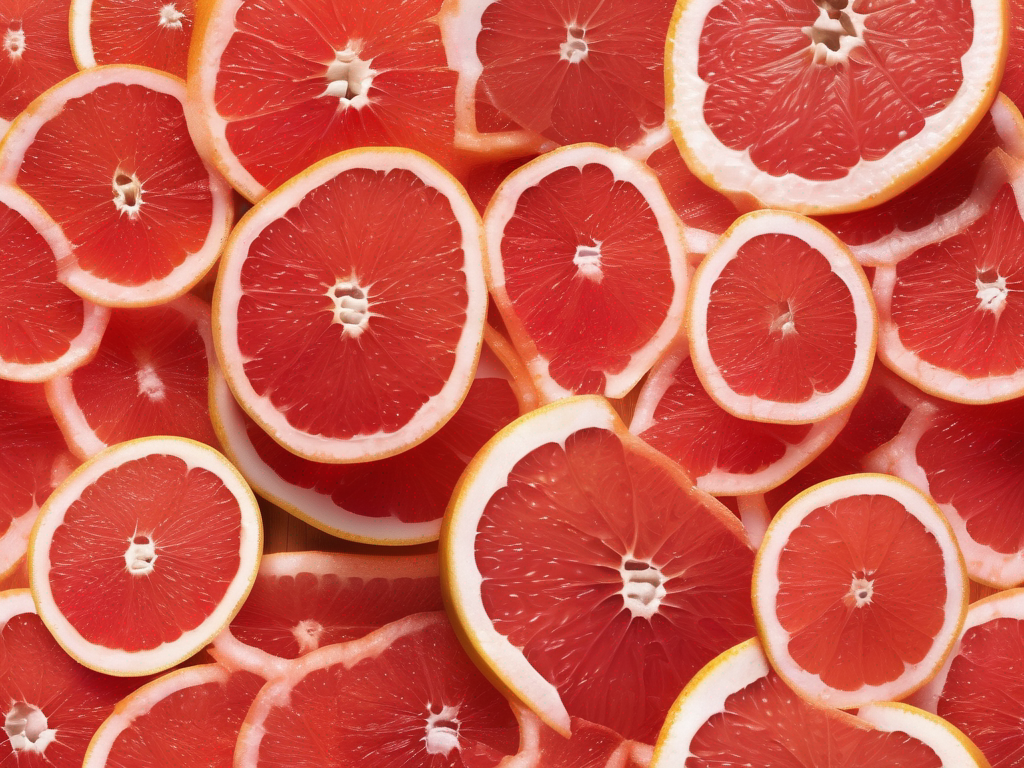
Grapefruit juice is not only refreshing but also packed with essential vitamins and antioxidants. Whether you enjoy it as a morning pick-me-up or a refreshing beverage throughout the day, ensuring that your fresh-squeezed grapefruit juice stays fresh and safe to consume is crucial. In this blog post, we will explore practical tips and guidelines on how to extend the shelf life of fresh-squeezed grapefruit juice while maintaining its quality and taste. (Grapefruit)
Understanding the Shelf Life of Fresh Squeezed Grapefruit Juice
Freshly squeezed grapefruit juice is highly perishable due to its high water content and natural sugars, which provide an ideal environment for bacteria and mold growth. When not stored properly, grapefruit juice can quickly spoil, leading to off-flavors and potential foodborne illnesses. To maximize the shelf life of your grapefruit juice, it is essential to follow proper storage and handling practices.
Factors Affecting the Shelf Life of Grapefruit Juice
Several factors can influence the shelf life of fresh-squeezed grapefruit juice, including:
Proper cooking temperatures are essential for food safety. An instant-read food thermometer (Amazon) helps ensure meat reaches safe internal temperatures and reduces the risk of foodborne illness.
- Temperature: Grapefruit juice should be stored at the optimal temperature to slow down bacterial growth and enzymatic reactions that can cause spoilage.
- Exposure to Light: Light exposure can degrade the quality of grapefruit juice, leading to off-flavors and nutrient loss.
- Oxygen Exposure: Oxygen can promote oxidation, affecting the taste and color of the juice.
- Contamination: Proper hygiene and sanitation practices are crucial to prevent microbial contamination.
Tips to Extend the Shelf Life of Fresh Squeezed Grapefruit Juice
To ensure that your fresh-squeezed grapefruit juice stays fresh and safe to consume for longer, consider the following tips:
1. Store at the Right Temperature
- Keep grapefruit juice refrigerated at temperatures below 40°F (4°C) to slow down bacterial growth and maintain freshness.
- Avoid storing grapefruit juice at room temperature, as it can lead to rapid spoilage.
2. Use Airtight Containers
- Transfer freshly squeezed grapefruit juice to airtight containers to minimize oxygen exposure and prevent contamination.
- Choose glass or BPA-free plastic containers that are specifically designed for storing liquids.
3. Minimize Light Exposure
- Store grapefruit juice in opaque or dark-colored containers to protect it from light exposure.
- Keep containers away from direct sunlight or bright artificial light sources.
4. Practice Good Hygiene
- Wash your hands thoroughly before handling grapefruits or juicing equipment to prevent contamination.
- Clean and sanitize juicers, containers, and utensils before and after each use.
5. Label and Date Containers
- Label containers with the date of preparation to track the freshness of the grapefruit juice.
- Use the "first in, first out" principle to ensure that older batches are consumed first.
Safety Precautions for Fresh Squeezed Grapefruit Juice
While fresh-squeezed grapefruit juice is a healthy beverage choice, it is essential to observe safety precautions to prevent foodborne illnesses:
- Avoid Cross-Contamination: Keep grapefruits separate from raw meat, poultry, and seafood to prevent cross-contamination.
- Check for Spoilage: Discard grapefruit juice if it develops an off odor, flavor, or appearance.
- Consume Promptly: Fresh-squeezed grapefruit juice is best consumed within 2-3 days for optimal freshness and taste.
Conclusion
By following proper storage and handling practices, you can extend the shelf life of fresh-squeezed grapefruit juice and enjoy its refreshing taste for longer. Remember to store grapefruit juice at the right temperature, minimize light exposure, use airtight containers, practice good hygiene, and follow safety precautions to ensure a safe and enjoyable drinking experience. With these tips, you can savor the goodness of grapefruit juice while maintaining its quality and freshness.
Refrigerator temperature fluctuations can accelerate spoilage and increase food safety risks. A refrigerator thermometer (Amazon) helps monitor consistent cold storage (40°F or below).
For more information on grapefruit and its benefits, visit our grapefruit page. (Grapefruit)
Authoritative Food Safety References
These agencies and university labs inform every tip and health precaution we publish.
USDA FoodKeeper – Cold Storage Guidelines
Official refrigerator, freezer, and pantry timelines maintained by the U.S. Department of Agriculture.
Visit USDA FoodKeeperFDA Produce Safety Rule & Grower Guidance
Field-to-fridge handling practices that prevent contamination of fruits, vegetables, and leafy greens.
Visit FDA Produce SafetyCDC Foodborne Illness Prevention Hub
Surveillance-backed guidance on pathogens, symptoms, and steps to reduce foodborne illness risk.
Visit CDC Food SafetyUC Davis Postharvest Technology Center
University research detailing optimal storage atmospheres for produce after harvest.
Visit UC Davis PostharvestPenn State Extension – Home Food Preservation & Safety
Peer-reviewed extension bulletins on safe canning, chilling, and reheating practices.
Visit Penn State ExtensionDisclosure: As an Amazon Associate, we earn from qualifying purchases. This helps support our site and allows us to continue providing free food safety information.