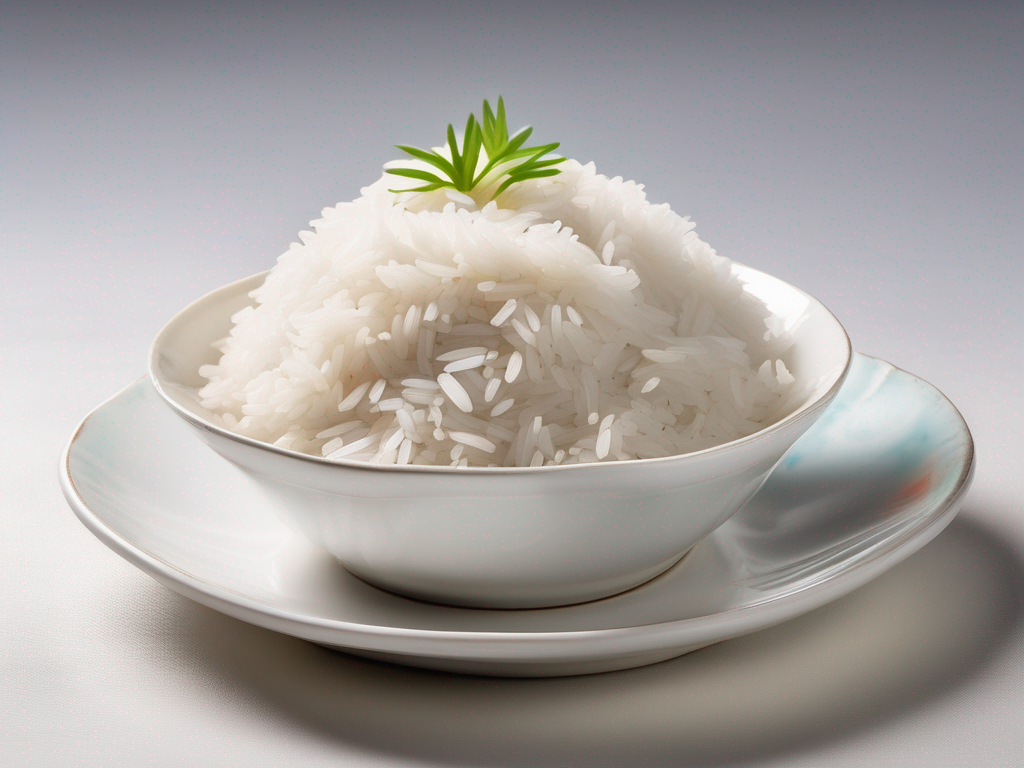
Extending the Shelf Life of Dry Rice Mix: Tips for Safe Storage
Extending the Shelf Life of Dry Rice Mix: Tips for Safe Storage
In many households, dry rice mix is a pantry staple due to its versatility, affordability, and long shelf life. Whether you use it as a side dish, in soups, or as a base for a flavorful stir-fry, keeping your dry rice mix fresh is essential for both taste and safety. Proper storage techniques can help extend the shelf life of your dry rice mix, ensuring that it remains safe to consume and free from spoilage. In this blog post, we will explore practical tips and safety information to help you maximize the longevity of your dry rice mix. (Rice)
Understanding Shelf Life of Dry Rice Mix
Before delving into storage tips, it's essential to understand the shelf life of dry rice mix. The shelf life of dry rice mix can vary depending on factors such as the type of rice used, the presence of additives or flavorings, and the packaging. In general, dry rice mix can last anywhere from 6 months to 2 years if stored properly.
Factors Affecting Shelf Life
Several factors can impact the shelf life of dry rice mix:
Proper cooking temperatures are essential for food safety. An instant-read food thermometer (Amazon) helps ensure meat reaches safe internal temperatures and reduces the risk of foodborne illness.
- Moisture: Exposure to moisture can lead to mold growth and spoilage.
- Light: Light can cause the quality of rice to deteriorate over time.
- Temperature: Rice should be stored in a cool, dry place to prevent rancidity and insect infestation.
- Packaging: Proper packaging can help protect rice from external contaminants and extend its shelf life.
Proper Storage Techniques
To extend the shelf life of your dry rice mix, follow these storage techniques:
1. Choose the Right Container
- Use airtight containers or resealable bags to prevent moisture and air from entering.
- Opt for containers made of glass, plastic, or metal to keep rice fresh.
- Make sure the container is clean and dry before transferring the rice mix.
2. Store in a Cool, Dark Place
- Keep dry rice mix away from direct sunlight and sources of heat.
- Store the rice in a cool, dry pantry or cupboard.
- Avoid storing rice near appliances that generate heat, such as the stove or oven.
3. Monitor Temperature and Humidity
- Keep the storage area at a consistent temperature between 50°F and 70°F.
- Ensure the humidity levels are low to prevent moisture buildup.
- Use a dehumidifier in humid climates to maintain optimal storage conditions.
4. Rotate Stock and Check for Signs of Spoilage
- Practice first in, first out (FIFO) by using older rice mix before newer purchases.
- Regularly inspect the rice mix for any signs of mold, insects, or off odors.
- Discard any rice mix that appears discolored, has an unusual smell, or shows signs of spoilage.
Safety Precautions
When storing dry rice mix, it's essential to follow safety precautions to prevent contamination and ensure food safety:
- Wash your hands before handling rice to prevent transferring bacteria.
- Avoid cross-contamination by keeping rice away from raw meat, poultry, and seafood.
- Use clean utensils and containers when measuring and storing rice.
- Do not mix old and new rice mix in the same container, as it can affect the freshness of the entire batch.
Conclusion
By following proper storage techniques and safety precautions, you can extend the shelf life of your dry rice mix and maintain its quality for an extended period. Remember to keep rice in a cool, dark place, monitor temperature and humidity levels, and regularly check for signs of spoilage. With these tips in mind, you can enjoy fresh and flavorful rice mix for your favorite dishes while ensuring food safety for you and your family. For more information on rice, visit our rice page. (Rice)
Refrigerator temperature fluctuations can accelerate spoilage and increase food safety risks. A refrigerator thermometer (Amazon) helps monitor consistent cold storage (40°F or below).
Authoritative Food Safety References
These agencies and university labs inform every tip and health precaution we publish.
USDA FoodKeeper – Cold Storage Guidelines
Official refrigerator, freezer, and pantry timelines maintained by the U.S. Department of Agriculture.
Visit USDA FoodKeeperFDA Produce Safety Rule & Grower Guidance
Field-to-fridge handling practices that prevent contamination of fruits, vegetables, and leafy greens.
Visit FDA Produce SafetyCDC Foodborne Illness Prevention Hub
Surveillance-backed guidance on pathogens, symptoms, and steps to reduce foodborne illness risk.
Visit CDC Food SafetyUC Davis Postharvest Technology Center
University research detailing optimal storage atmospheres for produce after harvest.
Visit UC Davis PostharvestPenn State Extension – Home Food Preservation & Safety
Peer-reviewed extension bulletins on safe canning, chilling, and reheating practices.
Visit Penn State ExtensionDisclosure: As an Amazon Associate, we earn from qualifying purchases. This helps support our site and allows us to continue providing free food safety information.