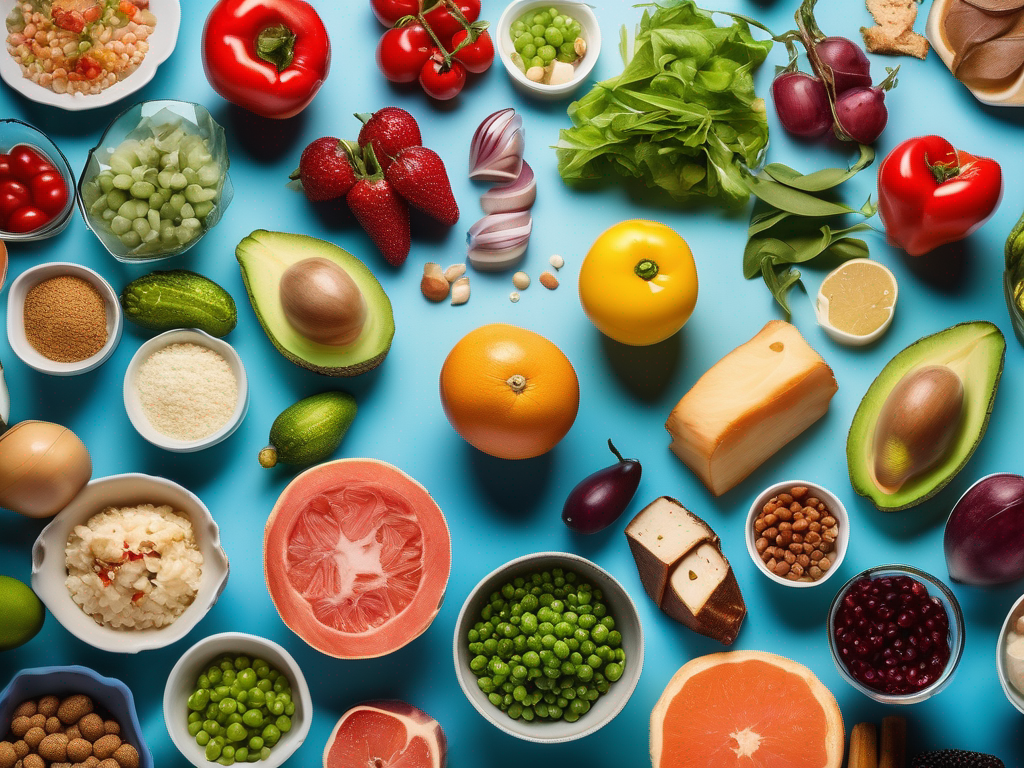
Free Groceries for Seniors Near You: A Guide to Accessing Essential Food Support
Free Groceries for Seniors Near You: A Guide to Accessing Essential Food Support
As we age, maintaining a healthy diet becomes increasingly important for overall well-being. Unfortunately, many seniors face challenges in accessing nutritious food due to various reasons, including limited income and mobility issues. However, there are resources available to help seniors secure free groceries and food assistance in their local communities. In this comprehensive guide, we will explore how seniors can access free groceries near them, along with practical tips for food safety and storage.
Understanding the Need for Food Assistance Among Seniors
The Importance of Proper Nutrition for Seniors
- Nutritious food plays a vital role in maintaining good health and quality of life for seniors.
- Adequate nutrition can help prevent chronic diseases, contains nutrients, and improve overall cognitive function.
- Seniors are at a higher risk of malnutrition due to factors such as decreased appetite, medication interactions, and limited access to healthy food options.
Challenges Faced by Seniors in Accessing Food
- Limited financial resources may prevent seniors from purchasing nutritious groceries.
- Mobility issues or lack of transportation can hinder seniors from visiting grocery stores or food banks.
- Social isolation and health conditions may further exacerbate food insecurity among seniors.
How Seniors Can Access Free Groceries and Food Assistance
Government Programs for Seniors
- Supplemental Nutrition Assistance Program (SNAP):
- Eligible seniors can receive monthly benefits to purchase food at authorized retailers.
- To determine eligibility and apply for SNAP, seniors can visit the official SNAP website.
- Commodity Supplemental Food Program (CSFP):
- CSFP provides free monthly food boxes to low-income seniors aged 60 and above.
- Seniors can contact their local CSFP agency to enroll in the program.
Local Food Banks and Pantries
- Many communities have food banks and pantries that offer free groceries to seniors in need.
- Seniors can search for local food assistance programs through websites like Feeding America.
Senior Centers and Community Organizations
- Senior centers and community organizations often provide meal programs and food distribution services for seniors.
- Seniors can inquire about available food support services at their local senior centers or through organizations like Meals on Wheels.
Home-Delivery Services
- Some grocery stores and meal delivery services offer home-delivery options specifically tailored for seniors.
- Seniors can explore services like Instacart or Freshly for convenient grocery delivery to their doorstep.
common situation
Story 1: Joan's Journey
Joan, a 76-year-old widow living alone, struggled with mobility issues following a hip replacement surgery. After hearing about a local food pantry through her neighbor, she decided to give it a try. The pantry not only provided her with fresh produce and canned goods but also introduced her to a meal delivery service. Now, she enjoys nutritious meals without the burden of grocery shopping. The support she received made a significant difference in her life, alleviating her stress about food and allowing her to focus on her recovery.
Story 2: Frank's Financial Struggles
Frank, a retired veteran, found himself living on a fixed income that barely covered his basic expenses. After learning about SNAP benefits from a flyer at his community center, he applied and was approved for assistance. The extra funds allowed him to buy healthier options, including fruits and vegetables, which he previously considered too expensive. Frank now feels more energetic and has even taken up gardening, further enhancing his diet and joy.
Proper cooking temperatures are essential for food safety. An instant-read food thermometer (Amazon) helps ensure meat reaches safe internal temperatures and reduces the risk of foodborne illness.
Story 3: Martha's Social Connection
Martha, an 82-year-old, lived a life filled with social activities until the pandemic hit. She became isolated and found it challenging to access food. Luckily, her local Meals on Wheels program not only delivered meals but also provided companionship. A friendly volunteer visits her weekly, bringing not just food but also a smile and a chat. This connection has been essential for Martha, boosting her morale and ensuring she receives the nutrition she needs.
Practical Tips for Food Safety and Storage for Seniors
Proper Food Handling
- Wash hands thoroughly before handling food. This simple step can prevent foodborne illnesses, which can be particularly dangerous for seniors.
- Keep raw meats separate from ready-to-eat foods to prevent cross-contamination. Many people don’t realize that cutting boards and utensils used for raw meats should be washed thoroughly before coming into contact with other foods.
- Refrigerate perishable foods promptly to maintain freshness. The general guideline is to refrigerate leftovers within two hours of cooking.
Safe Food Storage
- Store foods at the appropriate temperature to prevent spoilage. The USDA recommends keeping your refrigerator at or below 40°F (4°C) and your freezer at 0°F (-18°C).
- Label and date leftovers to track freshness and avoid food waste. A simple sticker can save you from eating spoiled food.
- Use airtight containers or resealable bags to store food items in the refrigerator or pantry. This helps keep food fresh longer and prevents freezer burn.
Managing Food Expiry Dates
- Check expiration dates on food packages and discard expired items promptly. Many people don’t realize that consuming expired food can lead to foodborne illnesses.
- Rotate food items in the pantry to ensure older items are used first. The FIFO (First In, First Out) method is a great way to manage your pantry.
- Consider freezing perishable items before they reach their expiration date. Foods like bread, meats, and some vegetables freeze well and can be thawed for later use.
Scientific Context of Food Safety
Food safety practices are crucial, especially for seniors, who may have compromised immune systems. It’s vital to understand the “risks and considerations zone” for food storage, which ranges from 40°F to 140°F. Bacteria can multiply rapidly within this range, increasing the risk of foodborne illnesses.
In addition to temperature control, understanding proper thawing methods is essential. The safest way to thaw food is in the refrigerator. Other methods, such as using cold water or microwaving, should be approached with caution. For instance, food thawed in cold water should be cooked immediately after thawing to prevent bacterial growth.
Refrigerator temperature fluctuations can accelerate spoilage and increase food safety risks. A refrigerator thermometer (Amazon) helps monitor consistent cold storage (40°F or below).
Common Mistakes in Food Handling and Storage
- Storing Food at Incorrect Temperatures: Many seniors may not realize the importance of temperature control. This can lead to spoilage and foodborne illnesses.
- Neglecting to Label Leftovers: Without labels and dates, it’s easy to forget how long food has been stored. This can can increase the likelihood of eating spoiled food unknowingly.
- Confusing “Use By” and “Sell By” Dates: Understanding these terms can prevent unnecessary waste. “Use By” indicates the last date for peak quality, while “Sell By” is more about inventory for stores.
Expert Insights on Nutrition for Seniors
According to nutritionists, seniors should focus on nutrient-dense foods that provide maximum nutritional quality. Foods rich in fiber, such as whole grains, fruits, and vegetables, are essential for digestive health. Additionally, incorporating lean proteins, healthy fats, and low-fat dairy can help support muscle mass and overall health.
Hydration is another critical aspect of nutrition that often gets overlooked. Seniors are at a higher risk of dehydration, so it’s essential to encourage fluid intake throughout the day, especially during warmer months.
Storage Methods for Fresh Produce
- Refrigeration: Most fruits and vegetables should be stored in the fridge to prolong freshness. Leafy greens, berries, and tomatoes fare well in the fridge.
- Counter Storage: Some items, like bananas and avocados, should be kept at room temperature until ripe, then can be moved to the fridge.
- Freezing: Many fruits and vegetables freeze well. For example, blanching green beans before freezing locks in flavor and texture.
Safety Warnings and Considerations
- Bacterial Infections: Seniors are more susceptible to infections, such as listeria and salmonella. Always ensure foods are cooked thoroughly and stored properly.
- Food Allergies: Be mindful of food allergies or intolerances, which can develop later in life. Reading labels and knowing what to avoid can prevent serious health issues.
- Medication Interactions: Some foods can interact negatively with medications. Always consult a healthcare provider or pharmacist to understand dietary restrictions.
Conclusion
Accessing free groceries and food assistance is essential for seniors to maintain a healthy and balanced diet. By utilizing government programs, local resources, and community services, seniors can ensure they have access to nutritious food options. Additionally, practicing proper food safety and storage techniques is crucial for preventing foodborne illnesses and maximizing food shelf life. Remember, prioritizing your health and well-being through proper nutrition is a key component of aging gracefully and staying active in your golden years.
Remember, you are not alone in this journey. Reach out to your local resources, seek assistance, and prioritize your health and nutrition. Stay informed, stay healthy, and enjoy the benefits of a well-nourished body and mind.
Authoritative Food Safety References
These agencies and university labs inform every tip and health precaution we publish.
USDA FoodKeeper – Cold Storage Guidelines
Official refrigerator, freezer, and pantry timelines maintained by the U.S. Department of Agriculture.
Visit USDA FoodKeeperFDA Produce Safety Rule & Grower Guidance
Field-to-fridge handling practices that prevent contamination of fruits, vegetables, and leafy greens.
Visit FDA Produce SafetyCDC Foodborne Illness Prevention Hub
Surveillance-backed guidance on pathogens, symptoms, and steps to reduce foodborne illness risk.
Visit CDC Food SafetyUC Davis Postharvest Technology Center
University research detailing optimal storage atmospheres for produce after harvest.
Visit UC Davis PostharvestPenn State Extension – Home Food Preservation & Safety
Peer-reviewed extension bulletins on safe canning, chilling, and reheating practices.
Visit Penn State ExtensionFrequently Asked Questions
What documentation is required to receive free groceries as a senior?
Are there specific eligibility criteria for seniors to receive free groceries?
Can seniors receive free groceries on a recurring basis?
How can I find information on free grocery programs for seniors in my area?
Citations
Disclosure: As an Amazon Associate, we earn from qualifying purchases. This helps support our site and allows us to continue providing free food safety information.