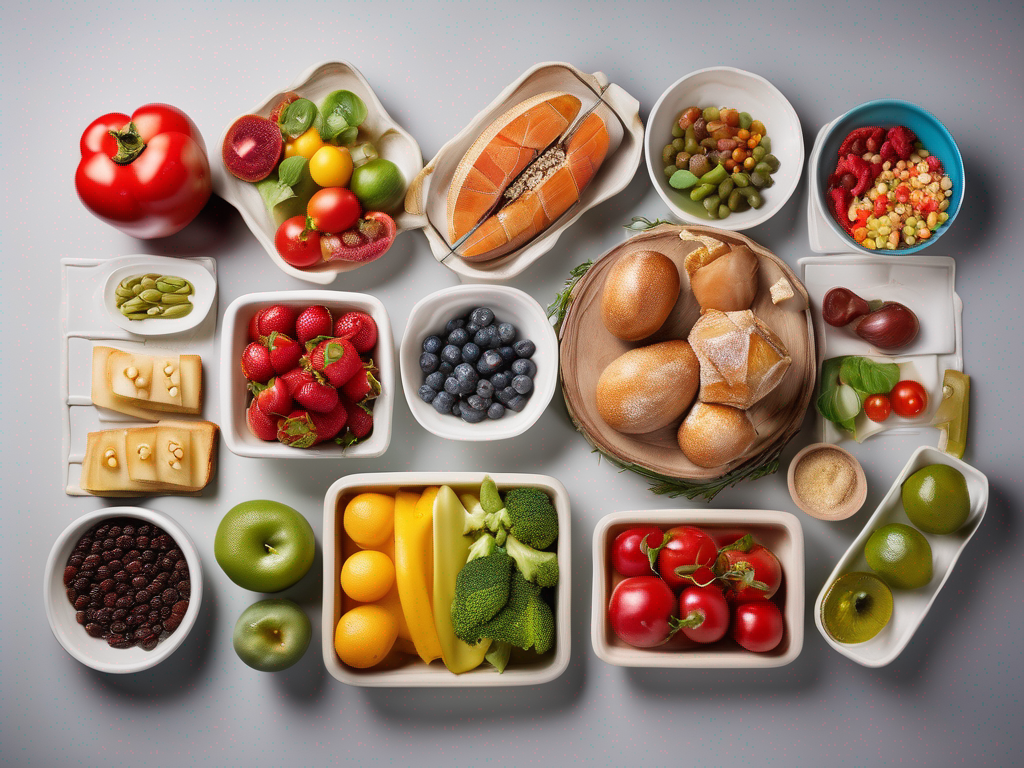
Finding a Food Pantry Near Me: A Comprehensive Guide
CanIEatExpired.com Team
# Finding a Food Pantry Near Me: A Comprehensive Guide

In times of need, accessing a food pantry can provide essential support for individuals and families facing food insecurity. Food pantries offer a variety of nutritious food items to those in need, ensuring that no one goes hungry. If you are looking for a food pantry near you, this guide will help you navigate the process of finding and accessing these valuable resources.

## Understanding Food Pantries

Food pantries are community-based organizations that provide free or low-cost food to individuals and families in need. They rely on donations from individuals, businesses, and organizations to stock their shelves with a variety of food items, including fresh produce, non-perishable goods, and sometimes even hygiene products. Food pantries play a crucial role in addressing food insecurity and ensuring that everyone has access to an adequate and nutritious food supply.

### The Importance of Food Pantries
- Provide food assistance to those in need
- Reduce food waste by redistributing surplus food
- Promote community engagement and support

## How to Find a Food Pantry Near You

When looking for a food pantry in your area, there are several resources and methods you can use to locate one that meets your needs.

### Online Search
1. Use search engines to look for food pantries in your city or zip code.
2. Visit websites like Feeding America or FoodPantries.org for a directory of food pantries.

### Local Community Resources
1. Contact local churches, community centers, or social service agencies for information on nearby food pantries.
2. Check with your city or county government for a list of food assistance programs.

### Mobile Apps
1. Use mobile apps like AmpleHarvest or Food Rescue US to locate food pantries and food donation sites in your area.

## Visiting a Food Pantry: What to Expect

When visiting a food pantry for the first time, it's important to familiarize yourself with the process and guidelines to ensure a smooth and positive experience.

### Eligibility
- Most food pantries serve individuals and families in need without requiring proof of income or residency.
- Some food pantries may have specific eligibility criteria, so it's advisable to inquire beforehand.

### Documentation
- Bring a valid ID or proof of address to register at the food pantry.
- Some food pantries may require additional documentation, such as proof of income or household size.

### Shopping Experience
- Food pantries typically operate on a client-choice model, allowing individuals to select their own food items.
- Respect the guidelines and restrictions set by the food pantry, such as quantity limits or item restrictions.

### Additional Services
- Some food pantries offer additional services, such as nutrition education, recipe ideas, or referrals to other social services.
- Take advantage of these resources to make the most of your visit.

## common situation

Understanding the various situations that might lead someone to seek out a food pantry can help demystify the experience. Here are a couple of relatable stories:

### Story 1: A Single Parent's Journey
Meet Sarah, a single mother of two. After losing her job due to the pandemic, she struggled to provide for her children. With bills piling up and her savings dwindling, she found herself in a situation where she needed help. On a recommendation from a friend, she visited a local food pantry. Initially anxious about the stigma, she found a warm welcome and a supportive environment. The pantry not only provided her with food but also connected her with resources for job training, which ultimately helped her get back on her feet.

### Story 2: The College Student's Dilemma
Then there’s Mike, a college sophomore juggling classes and a part-time job. With tuition and living expenses, he often found himself skipping meals to save money. After hearing about a food pantry on campus, he was hesitant but decided to check it out. To his surprise, he discovered a friendly atmosphere and even found items suited for quick, healthy meals that fit his busy schedule. This experience not only alleviated his hunger but also helped him focus better on his studies.

## Food Safety Tips for Food Pantry Items

While food pantries strive to provide safe and nutritious food, it's essential to practice proper food safety measures when handling and storing pantry items.

### Sorting and Inspecting
- Check for signs of spoilage or damage before accepting any food items from the pantry.
- Discard any canned goods that are dented, rusted, or swollen.

### Storage
- Store perishable items, such as dairy and meats, in the refrigerator or freezer promptly.
- Keep dry goods in a cool, dry place away from direct sunlight.

### Expiration Dates
- Pay attention to expiration dates on food items and consume them before they expire.
- Rotate pantry items to use older items first and prevent food waste.

### Hygiene
- Wash your hands before handling food items, especially before preparing or eating meals.
- Clean and sanitize food storage containers and surfaces regularly.

## Common Mistakes to Avoid

Many people unknowingly make mistakes that can affect their food safety practices and overall experience at food pantries. Here are some common pitfalls to avoid:

### Not Asking Questions
Some individuals might feel intimidated or embarrassed to inquire about the types of food available or the pantry's rules. Remember, it's perfectly okay to ask questions! Staff members are there to help, and asking can lead to valuable information about additional resources or services that may be available.

### Ignoring Food Labels
People often overlook the importance of reading food labels when selecting items. Many food pantries provide canned and packaged goods, and it’s crucial to check for expiration dates, ingredient lists, and allergen information. This simple step can prevent health issues and ensure that you are making informed choices.

### Overlooking Storage Tips
After bringing food home, some may not realize the importance of proper storage. For instance, certain fruits like apples and bananas emit ethylene gas that can cause other produce to ripen and spoil quickly. Storing them separately can help extend the shelf life of your other fresh items.

## Practical Tips for Maximizing Your Food Pantry Visit

To make the most of your experience at a food pantry, here are some actionable tips:

### Create a List
Just like grocery shopping, having a list can help you stay focused. Knowing what types of food your family enjoys can guide you in making selections that will be used and not wasted.

### Consider Nutritional Balance
Choose a variety of food items that provide a balanced diet, including proteins, whole grains, fruits, and vegetables. Many food pantries offer healthy options, so try to select foods from different categories instead of loading up on processed items.

### Plan Your Meals
Once you’ve collected your items, think about how you can use them in upcoming meals. Meal prepping can save time during busy weeks and help you stick to a healthier diet.

## Expert Insights on Food Storage

Understanding proper food storage can help ensure that pantry items stay fresh and safe to eat. Here are some professional recommendations:

### Temperature Control
For perishables, keep your fridge set at 40°F (4°C) or below to slow bacteria growth. Your freezer should be at 0°F (-18°C). If you aren't sure about your appliance’s temperatures, using a thermometer can help you monitor them.

### Use Airtight Containers
Transferring dry goods like rice, pasta, or flour into airtight containers can prevent pests and moisture from ruining your food. Additionally, labeling containers with purchase dates can help you keep track of how long items have been stored.

### FIFO (First In, First Out)
Organize your pantry with the FIFO method, where older items are placed at the front, and new items go to the back. This simple technique helps ensure that food is used before it goes bad.

## Conclusion

Finding a food pantry near you can provide valuable support during challenging times. By utilizing the resources and tips outlined in this guide, you can locate a food pantry in your area and access nutritious food items to meet your needs. Remember to practice food safety measures when handling pantry items to ensure that you and your family stay healthy and well-nourished. If you are in need of food assistance, don't hesitate to reach out to your local food pantry for support. With a little knowledge and preparation, you can make the most of the resources available to you and help contribute to a healthier community.
Authoritative Food Safety References
These agencies and university labs inform every tip and health precaution we publish.
USDAOfficial guidance
USDA FoodKeeper – Cold Storage Guidelines
Official refrigerator, freezer, and pantry timelines maintained by the U.S. Department of Agriculture.
Visit USDA FoodKeeperFDAOfficial guidance
FDA Produce Safety Rule & Grower Guidance
Field-to-fridge handling practices that prevent contamination of fruits, vegetables, and leafy greens.
Visit FDA Produce SafetyCDCOfficial guidance
CDC Foodborne Illness Prevention Hub
Surveillance-backed guidance on pathogens, symptoms, and steps to reduce foodborne illness risk.
Visit CDC Food SafetyResearchUniversity research
UC Davis Postharvest Technology Center
University research detailing optimal storage atmospheres for produce after harvest.
Visit UC Davis PostharvestResearchUniversity research
Penn State Extension – Home Food Preservation & Safety
Peer-reviewed extension bulletins on safe canning, chilling, and reheating practices.
Visit Penn State ExtensionDisclosure: As an Amazon Associate, we earn from qualifying purchases. This helps support our site and allows us to continue providing free food safety information.
Our articles are created using a combination of AI assistance and human review. All food safety information is based on USDA guidelines and credible sources. Learn more about our review process here.