The Truth About Expired Baking Powder: Is It Still Safe to Use?
CanIEatExpired.com Team
# The Truth About Expired Baking Powder: Is It Still Safe to Use?

Are you someone who loves to bake? If so, you probably have a container of baking powder sitting in your pantry. Baking powder is a staple ingredient in many baked goods, helping them rise and achieve that fluffy texture we all love. But what happens when your baking powder reaches its expiration date? Is it still safe to use, or should you toss it out and buy a new one? In this blog post, we'll explore the truth about expired baking powder and provide you with practical tips on how to store and use it safely. ([Baking powder](https://canieatexpired.com/food/baking-powder))

## Understanding Baking Powder and Its Shelf Life

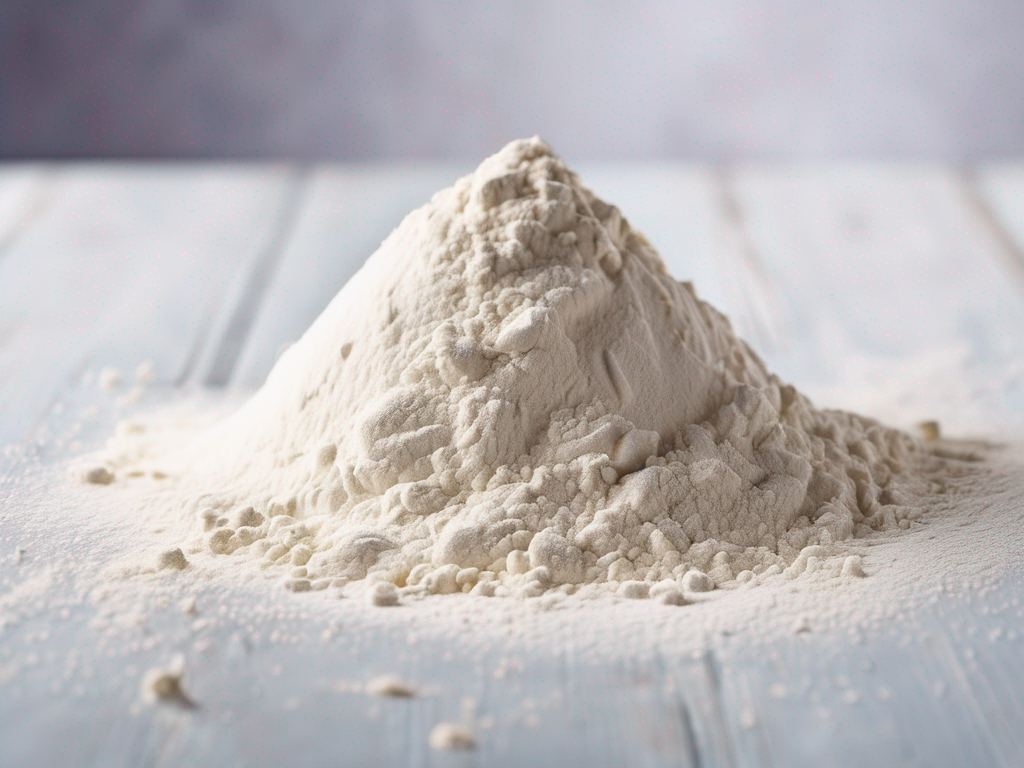
Before we dive into the topic of expired baking powder, let's first understand what baking powder is and how it works. Baking powder is a leavening agent that is commonly used in baking to help dough rise. It typically consists of a mixture of baking soda, an acid (such as cream of tartar), and a moisture-absorbing agent (such as cornstarch). When baking powder is mixed with liquid and exposed to heat, it releases carbon dioxide gas, which causes the dough to rise.

Like many food products, baking powder has a limited shelf life. Over time, the effectiveness of baking powder can decrease, leading to flat or dense baked goods. While baking powder does not spoil in the traditional sense, using expired baking powder can can increase the likelihood of disappointing baking results.

### How to Tell If Your Baking Powder Has Expired

Wondering how to determine if your baking powder is still good to use? Here are some signs that indicate your baking powder may have expired:

- **Check the Expiration Date:** Most baking powder containers have a printed expiration date. If your baking powder has passed this date, it's a good idea to do a quick test to check its potency.
- **Perform a Test:** To test if your baking powder is still active, mix a small amount with hot water. If it bubbles and fizzes, it's still good to use. If there is no reaction, it's time to replace it.

### common situation: When Expired Baking Powder Happens

Many home bakers have been in the unfortunate position of needing baking powder, only to discover that theirs has expired. Take Sarah, for example, who was excited to bake a birthday cake for her daughter. Upon checking her pantry, she found a container of baking powder dated two years prior. With no time to run to the store, she decided to test it. To her surprise, it fizzed vigorously when mixed with water, allowing her to proceed with her baking adventure successfully!

Another relatable situation involves Tom, who decided to whip up some pancakes one lazy Sunday morning. He pulled out a container of baking powder that had been sitting in his cabinet for a while. Remembering the common advice about expired ingredients, he hesitated, fearing flat pancakes. However, after testing it and seeing some reaction, he confidently added it to his batter. The pancakes turned out fluffy, proving that sometimes, a little experimentation pays off!

### Proper Storage of Baking Powder

To ensure the longevity and effectiveness of your baking powder, it's essential to store it properly. Here are some tips for storing baking powder:

1. **Keep It in a Cool, Dry Place:** Store your baking powder in a cool, dry place away from heat and moisture. Avoid storing it near the stove or in direct sunlight.
2. **Seal the Container Tightly:** Make sure to seal the container tightly after each use to prevent moisture from entering.
3. **Avoid Contamination:** Use a clean, dry measuring spoon when scooping out baking powder to prevent contamination.

### The Science Behind Baking Powder's Shelf Life

Baking powder's effectiveness diminishes over time primarily due to exposure to air and moisture. This leads to a gradual loss of the acid or base components that are crucial for its leavening properties. The cornstarch in baking powder helps to absorb moisture, but it can only do so much. When exposed to the elements, the chemical reactions needed for proper rising may slow down.

Many people don't realize that the shelf life can also be affected by the type of baking powder. There are two main types: single-acting and double-acting. Single-acting baking powder releases gas immediately upon mixing with liquid, while double-acting produces gas in two phases—once when mixed with moisture and again when heated. If you primarily use single-acting baking powder, you'll need to be particularly careful about its shelf life since it can lose effectiveness more quickly.

## Can You Still Use Expired Baking Powder?

Now, the big question: can you still use expired baking powder? The answer is not a straightforward yes or no. While expired baking powder may not be harmful to consume, it may not be as effective in leavening baked goods. Here are some factors to consider before using expired baking powder:

- **Level of Potency:** The longer baking powder sits past its expiration date, the less potent it becomes. If your baking powder is only slightly expired, it may still work, but you may need to use a bit more to achieve the desired results.
- **Type of Baked Goods:** For delicate baked goods that require a precise rise, such as cakes and pastries, it's best to use fresh baking powder. On the other hand, if you're making something like pancakes or quick bread, expired baking powder may still be okay to use.

### Tips for Using Expired Baking Powder

If you find yourself with expired baking powder and don't want to waste it, here are some tips for using it:

1. **Increase the Amount:** If your baking powder is expired but you still want to use it, try increasing the amount called for in the recipe. This can help compensate for its reduced potency.
2. **Combine with Baking Soda:** If your baking powder is not producing the desired rise, you can try combining it with a bit of baking soda to boost its leavening power. Just be sure to adjust the other ingredients in the recipe accordingly.

### Common Mistakes When Using Expired Baking Powder

People often overlook a few critical aspects when it comes to using expired baking powder. One common mistake is assuming that just because a product is past its expiration date, it is automatically unsafe. While that’s often not the case, the effectiveness can significantly diminish, so relying on your senses—like the fizz test—becomes crucial.

Another mistake is failing to account for the integrity of the container. If the container is damaged or has been opened multiple times, it’s more likely to have absorbed moisture, which can lead to a compromised product. Always inspect the storage conditions and the container before deciding to use what’s inside.

## Conclusion

In conclusion, while using expired baking powder may not pose a safety risk, it can impact the quality of your baked goods. To ensure the best results, it's recommended to replace your baking powder once it reaches its expiration date. By following proper storage practices and keeping an eye on the potency of your baking powder, you can continue to enjoy delicious, perfectly risen baked treats. Remember, when in doubt, it's always better to be safe than sorry when it comes to baking ingredients. ([Baking powder](https://canieatexpired.com/food/baking-powder))

## Additional Practical Tips for Baking with Baking Powder

- **Keep Track of Expiration Dates:** Consider labeling your containers with the purchase date. This can help you keep track of how long you've had the product.
- **Use Airtight Containers:** If your baking powder comes in a box, consider transferring it to an airtight container. This can help prolong its shelf life by reducing exposure to air and moisture.
- **Regularly Check Your Pantry:** Every few months, do a quick assessment of your pantry items. This ensures that you are aware of what’s expiring soon, allowing you to use them before they go bad.

## Related Posts

Here are some other articles you might find helpful:

- [Maximizing Dry Food Shelf Life: A Guide to Safe Storage](/blog/dry-food-shelf-life)
- [The Ultimate Guide to Food Pantry Essentials](/blog/list-of-food-pantry)
- [Is it Safe to Use Expired Cornstarch in Recipes?](/blog/is-it-safe-to-use-expired-cornstarch-in-recipes)
- [How to Store Cornstarch Long-Term Without Clumping](/blog/how-to-store-cornstarch-long-term-without-clumping)
- [Is Expired Baking Powder Still Safe to Use in Recipes?](/blog/is-expired-baking-powder-still-safe-to-use-in-recipes)
Authoritative Food Safety References
These agencies and university labs inform every tip and health precaution we publish.
USDAOfficial guidance
USDA FoodKeeper – Cold Storage Guidelines
Official refrigerator, freezer, and pantry timelines maintained by the U.S. Department of Agriculture.
Visit USDA FoodKeeperFDAOfficial guidance
FDA Produce Safety Rule & Grower Guidance
Field-to-fridge handling practices that prevent contamination of fruits, vegetables, and leafy greens.
Visit FDA Produce SafetyCDCOfficial guidance
CDC Foodborne Illness Prevention Hub
Surveillance-backed guidance on pathogens, symptoms, and steps to reduce foodborne illness risk.
Visit CDC Food SafetyResearchUniversity research
UC Davis Postharvest Technology Center
University research detailing optimal storage atmospheres for produce after harvest.
Visit UC Davis PostharvestResearchUniversity research
Penn State Extension – Home Food Preservation & Safety
Peer-reviewed extension bulletins on safe canning, chilling, and reheating practices.
Visit Penn State ExtensionDisclosure: As an Amazon Associate, we earn from qualifying purchases. This helps support our site and allows us to continue providing free food safety information.
Our articles are created using a combination of AI assistance and human review. All food safety information is based on USDA guidelines and credible sources. Learn more about our review process here.