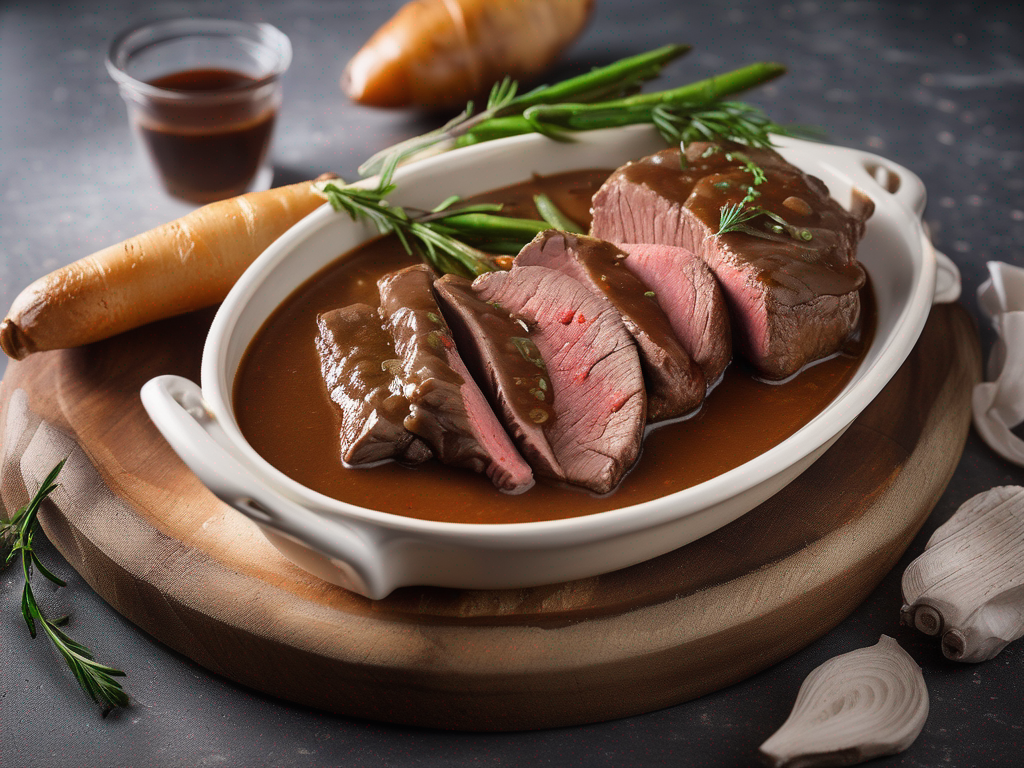
Expert Tips for Safely Reheating Leftover Gravy Beef Homemade
CanIEatExpired.com Team
# Expert Tips for Safely Reheating Leftover Gravy Beef Homemade

Leftover gravy beef homemade can be a delicious treat for the next day, but it's crucial to ensure that you reheat it safely to prevent any risk of foodborne illnesses. In this guide, we will provide you with expert tips on how to safely reheat leftover gravy beef homemade while maintaining its flavor and texture. ([Gravy beef homemade](https://canieatexpired.com/food/gravy-beef-homemade))

## Understanding the Importance of Food Safety

Before we dive into the tips for reheating leftover gravy beef homemade, let's first understand why food safety is crucial. Improper handling and reheating of food can lead to the growth of harmful bacteria, such as Salmonella and E. coli, which can cause food poisoning. By following proper food safety guidelines, you can reduce the risk of foodborne illnesses and enjoy your leftovers safely.

### Tips for Safely Reheating Leftover Gravy Beef Homemade

1. **Refrigerate Promptly**: After enjoying your homemade gravy beef, make sure to refrigerate any leftovers within two hours of cooking to prevent bacterial growth.

2. **Store Properly**: Store the leftover gravy beef in an airtight container in the refrigerator for up to 3-4 days. If you plan to store it for longer, consider freezing it for up to 3 months.

3. **Thaw Safely**: If you are reheating frozen gravy beef, thaw it in the refrigerator overnight or using the defrost setting on your microwave. Avoid thawing at room temperature to prevent bacterial growth.

4. **Reheat Thoroughly**: When reheating gravy beef homemade, ensure that it reaches an internal temperature of 165°F (74°C) to kill any bacteria present. Use a food thermometer to check the temperature.

5. **Stir and Rotate**: To ensure even heating, stir the gravy beef halfway through the reheating process. If using a microwave, rotate the dish to prevent hot spots.

### Methods for Reheating Gravy Beef Homemade

Here are some safe methods for reheating leftover gravy beef homemade:

- **Stovetop**: Place the gravy beef in a saucepan and heat it over medium heat, stirring frequently until it reaches the desired temperature.
- **Oven**: Preheat your oven to 350°F (177°C), place the gravy beef in an oven-safe dish, cover it with foil, and heat for about 20-30 minutes.
- **Microwave**: Microwave the gravy beef in a microwave-safe dish, heating it in 1-minute intervals and stirring in between until it's thoroughly heated.

### common situation

Consider the busy parent who comes home after a long day of work to a fridge filled with leftovers. They might have made a large pot of gravy beef over the weekend, planning to enjoy it throughout the week. When it’s time to eat, they are often rushed and might not follow all the food safety protocols. This can lead to reheating the gravy beef improperly, increasing the risk of foodborne illness. It’s essential to remember that even in a hurry, taking the time to reheat food safely is crucial for your health.

Another situation could involve a college student who has a limited budget and often relies on leftovers. After a successful cooking session, they might store their gravy beef in the refrigerator, planning to enjoy it later. However, they might forget to reheat it to the proper temperature before eating, thinking they can simply pop it in the microwave for a minute or two. This situation highlights the importance of understanding safe reheating practices to avoid potential health risks, especially for those who may not have experienced cooking knowledge.

### Common Mistakes to Avoid

Many people unknowingly make mistakes when reheating their food. A common one is thinking that “hot enough” is sufficient without checking the internal temperature. The USDA recommends that leftovers be reheated to at least 165°F (74°C) to ensure safety. A food thermometer is a small investment that can save you from health issues down the line.

Another mistake is not stirring or rotating the dish in the microwave. Microwaves can heat unevenly, leading to cold spots where bacteria can survive. Always take a moment to stir your food halfway through the reheating process for an even temperature throughout.

Some people also believe that they can reheat their leftovers multiple times. However, it's best to reheat food only once. Each time food is cooled and reheated, the chance of bacteria growth increases. If you find yourself with too much leftover gravy beef, consider dividing it into smaller portions before freezing to avoid repeated reheating.

### Practical Tips for Enhanced Flavor

Reheating can sometimes lead to a loss of flavor or texture in leftover foods. Here are a few tips to help retain or enhance the deliciousness of your gravy beef when reheating:

- **Add a Splash of Liquid**: Gravy can thicken when stored. To restore moisture, add a small amount of beef broth or water while reheating. This not only maintains consistency but also enhances flavor.

- **Seasoning Refresh**: Sometimes, a little extra seasoning can make a big difference. Consider adding fresh herbs or spices during the reheating process to lift the flavors anew.

- **Pairing It Right**: Reheat your gravy beef alongside some fresh vegetables or at least a side salad to create a balanced meal. Not only will this make your plate more colorful, but the added textures can elevate your dining experience.

### Safety Precautions

- Avoid reheating gravy beef more than once to prevent the risk of bacterial contamination.
- Discard any leftover gravy beef that has been left at room temperature for more than 2 hours.
- If you notice any off smells, colors, or textures in the gravy beef, it's best to discard it to avoid foodborne illnesses.

### Scientific Context of Food Safety

The science behind food safety is rooted in understanding how bacteria behave. When food is left at room temperature, bacteria can multiply rapidly. The “risks and considerations Zone” for food is between 40°F (4°C) and 140°F (60°C). This is why it's crucial to refrigerate leftovers promptly and reheat food to safe temperatures. Additionally, certain bacteria can produce heat-resistant unpleasant flavors, odors, or reduced nutritional quality. This means that even if you reheat to the appropriate temperature, unpleasant flavors, odors, or reduced nutritional quality may still make you sick if the bacteria had time to grow before you reheated.

### Storage Methods

When storing your leftover gravy beef, consider these techniques:

- **Cool Before Storing**: Allow your gravy beef to cool to room temperature before sealing it in an airtight container. This prevents condensation, which can lead to moisture buildup and spoilage.

- **Label and Date**: Always label your containers with the date you stored them. This simple practice helps you keep track of how long your food has been in the refrigerator or freezer and ensures you consume it at its best quality.

- **Freezing Tips**: If freezing, consider portioning the gravy beef into smaller containers or freezer bags. This allows you to thaw only what you need, minimizing waste and repeated reheating.

## Conclusion

Safely reheating leftover gravy beef homemade is essential to prevent foodborne illnesses and enjoy your meal to the fullest. By following the expert tips and methods mentioned in this guide, you can ensure that your reheated gravy beef is not only safe but also delicious. Remember to prioritize food safety at all times to protect yourself and your loved ones. Enjoy your leftovers responsibly!

For more delicious recipes and food safety tips, check out our [gravy beef homemade](/food/gravy-beef-homemade) section. ([Gravy beef homemade](https://canieatexpired.com/food/gravy-beef-homemade))

## Related Posts

Here are some other articles you might find helpful:

- [Maximizing Shelf Life: Optimal Storage Conditions for Gravy Beef Homemade](/blog/optimal-storage-conditions-for-gravy-beef-homemade-to-extend-shelf-life)
Authoritative Food Safety References
These agencies and university labs inform every tip and health precaution we publish.
USDAOfficial guidance
USDA FoodKeeper – Cold Storage Guidelines
Official refrigerator, freezer, and pantry timelines maintained by the U.S. Department of Agriculture.
Visit USDA FoodKeeperFDAOfficial guidance
FDA Produce Safety Rule & Grower Guidance
Field-to-fridge handling practices that prevent contamination of fruits, vegetables, and leafy greens.
Visit FDA Produce SafetyCDCOfficial guidance
CDC Foodborne Illness Prevention Hub
Surveillance-backed guidance on pathogens, symptoms, and steps to reduce foodborne illness risk.
Visit CDC Food SafetyResearchUniversity research
UC Davis Postharvest Technology Center
University research detailing optimal storage atmospheres for produce after harvest.
Visit UC Davis PostharvestResearchUniversity research
Penn State Extension – Home Food Preservation & Safety
Peer-reviewed extension bulletins on safe canning, chilling, and reheating practices.
Visit Penn State ExtensionDisclosure: As an Amazon Associate, we earn from qualifying purchases. This helps support our site and allows us to continue providing free food safety information.
Our articles are created using a combination of AI assistance and human review. All food safety information is based on USDA guidelines and credible sources. Learn more about our review process here.