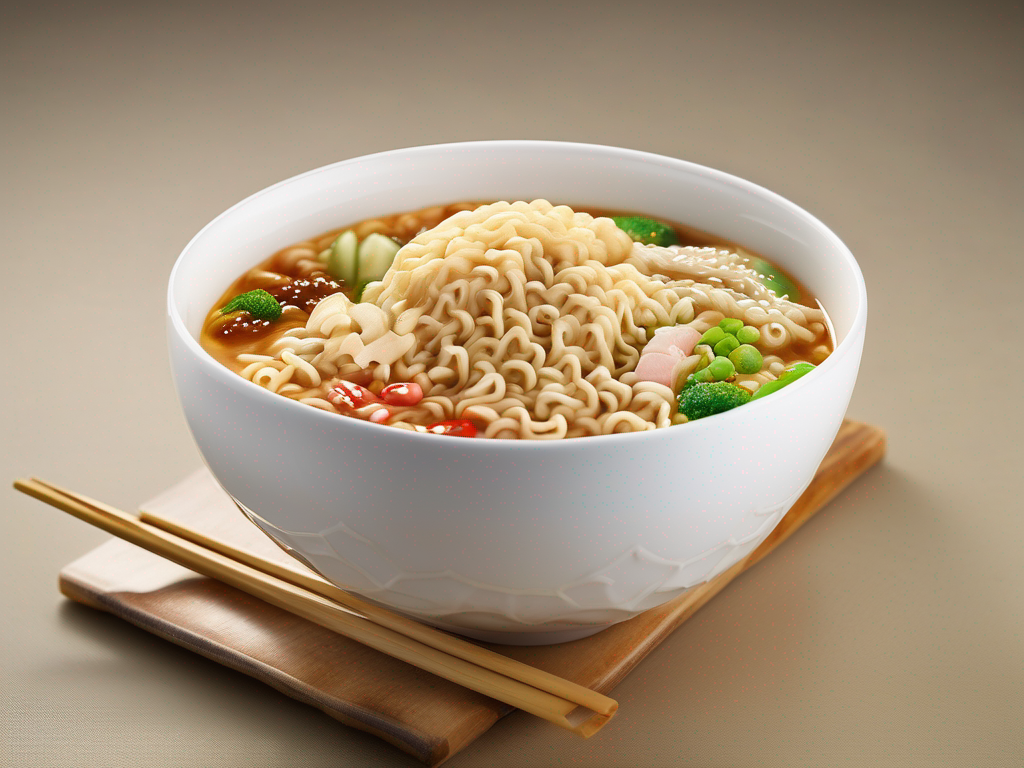
Expert Tips for Extending the Shelf Life of Cup Noodles in Your Pantry
Expert Tips for Extending the Shelf Life of Cup Noodles in Your Pantry
In today's fast-paced world, convenience foods like Cup Noodles have become a staple in many households. Whether you enjoy them as a quick meal or a late-night snack, it's essential to store them properly to ensure their freshness and safety. In this blog post, we will discuss expert tips for extending the shelf life of Cup Noodles in your pantry. (Cup noodles)
Understanding Shelf Life of Cup Noodles
Before diving into storage tips, it's crucial to understand the shelf life of Cup Noodles. These instant noodles typically have a long shelf life, thanks to their dehydrated nature and sealed packaging. The expiration date on the packaging indicates the period during which the product is at its peak quality. While Cup Noodles can still be safe to consume after this date, the taste and texture may deteriorate over time.
Factors Affecting Shelf Life
Several factors can affect the shelf life of Cup Noodles, including:
Proper cooking temperatures are essential for food safety. An instant-read food thermometer (Amazon) helps ensure meat reaches safe internal temperatures and reduces the risk of foodborne illness.
-
Storage Conditions: Proper storage is crucial to maintaining the quality of Cup Noodles. Exposure to heat, light, and humidity can accelerate the degradation of the noodles and flavorings.
-
Packaging Integrity: Damaged or compromised packaging can allow moisture and contaminants to enter, leading to spoilage.
-
Temperature Fluctuations: Fluctuations in temperature can impact the quality of Cup Noodles. It's best to store them in a cool, dry place away from direct sunlight and heat sources.
Tips for Extending Shelf Life
Now that you understand the factors influencing the shelf life of Cup Noodles, let's explore some expert tips to help you extend their freshness and quality.
1. Store in a Cool, Dry Place
-
Avoid Temperature Extremes: Keep Cup Noodles away from areas with extreme temperatures, such as near the stove or in direct sunlight. Optimal storage temperature is around 50-70°F (10-21°C).
-
Use Airtight Containers: If you plan to store opened Cup Noodles, transfer them to airtight containers to protect them from moisture and odors.
2. Check the Packaging
-
Inspect for Damage: Before purchasing or storing Cup Noodles, check the packaging for any signs of damage, tears, or leaks. Avoid purchasing or consuming products with compromised packaging.
-
Monitor Expiration Dates: Be mindful of the expiration dates on the packaging and consume the noodles before the date for the best quality.
3. Rotate Stock Regularly
-
First In, First Out: Practice the "first in, first out" method when storing Cup Noodles. Use older packets before newer ones to ensure they are consumed within their optimal period.
-
Inventory Management: Keep track of your Cup Noodle inventory and rotate stock regularly to prevent any packets from expiring unused.
4. Avoid Moisture and Contaminants
-
Keep Away from Moisture: Moisture can lead to the growth of mold and bacteria in Cup Noodles. Store them in a dry area and avoid exposure to humidity.
-
Prevent Cross-Contamination: Store Cup Noodles away from raw meats, seafood, and other potentially contaminating foods to maintain their quality.
5. Consider Freezing for Long-Term Storage
-
Freezing Cup Noodles: If you need to store Cup Noodles for an extended period, consider freezing them. Place the sealed packets in a freezer-safe container to protect them from freezer burn.
-
Thawing and Cooking: When ready to consume frozen Cup Noodles, allow them to thaw in the refrigerator before following the usual preparation instructions.
Conclusion
By following these expert tips for extending the shelf life of Cup Noodles in your pantry, you can ensure that your favorite instant meal remains fresh, flavorful, and safe to consume. Proper storage practices, regular inventory checks, and attention to packaging integrity are key to maximizing the shelf life of Cup Noodles. Remember to rotate stock, monitor expiration dates, and store them in a cool, dry place to enjoy delicious Cup Noodles whenever the craving strikes. [Click here](/food/cup noodles) to browse our selection of Cup Noodles and start stocking your pantry today! (Cup noodles)
Related Posts
Here are some other articles you might find helpful:
Authoritative Food Safety References
These agencies and university labs inform every tip and health precaution we publish.
USDA FoodKeeper – Cold Storage Guidelines
Official refrigerator, freezer, and pantry timelines maintained by the U.S. Department of Agriculture.
Visit USDA FoodKeeperFDA Produce Safety Rule & Grower Guidance
Field-to-fridge handling practices that prevent contamination of fruits, vegetables, and leafy greens.
Visit FDA Produce SafetyCDC Foodborne Illness Prevention Hub
Surveillance-backed guidance on pathogens, symptoms, and steps to reduce foodborne illness risk.
Visit CDC Food SafetyUC Davis Postharvest Technology Center
University research detailing optimal storage atmospheres for produce after harvest.
Visit UC Davis PostharvestPenn State Extension – Home Food Preservation & Safety
Peer-reviewed extension bulletins on safe canning, chilling, and reheating practices.
Visit Penn State ExtensionDisclosure: As an Amazon Associate, we earn from qualifying purchases. This helps support our site and allows us to continue providing free food safety information.