Easy Ways to Test Baking Soda for Freshness
Easy Ways to Test Baking Soda for Freshness
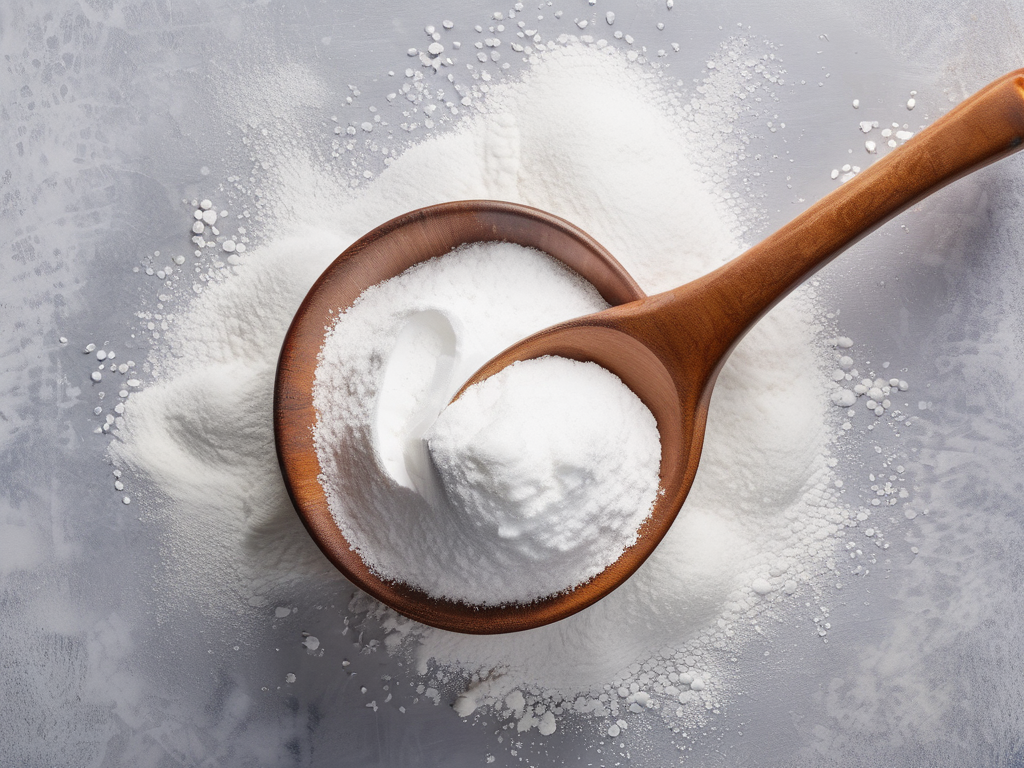
In the world of baking, baking soda is a staple ingredient that helps create light and fluffy cakes, cookies, and other baked goods. However, like any pantry item, baking soda can lose its effectiveness over time. To ensure your baked treats turn out perfectly every time, it's important to test your baking soda for freshness regularly. In this blog post, we will explore easy ways to test the freshness of your baking soda, along with practical tips and safety information. (Baking soda)
Why Test Baking Soda for Freshness?
Before we dive into testing methods, let's understand why it's essential to check the freshness of your baking soda:
- Fresh baking soda is crucial for leavening baked goods properly.
- Expired baking soda may lead to dense or flat baked goods.
- Testing baking soda can help you avoid potential baking disasters.
- Fresh baking soda ensures the best flavor in your baked treats.
Visual Inspection
One of the simplest ways to check the freshness of your baking soda is through a visual inspection. Here's how you can visually assess the quality of your baking soda:
Steps:
- Check the Expiration Date: Look for the expiration date on the packaging. Baking soda typically has a long shelf life, but it's still essential to check for any expiration date.
- Look for Clumping: Fresh baking soda is free-flowing and powdery. If you notice any clumps or hardening, it may indicate moisture has affected the baking soda.
The Vinegar Test
Another popular method to test the freshness of baking soda is by using vinegar. This simple experiment helps determine if your baking soda is still active and fresh.
Steps:
- Grab a Bowl: Take a small bowl and add a teaspoon of baking soda.
- Add Vinegar: Slowly pour a splash of vinegar over the baking soda.
- Observe the Reaction: If the baking soda fizzes and bubbles vigorously, it's still fresh. If there's little to no reaction, it may be time to replace your baking soda.
The Baking Test
If you're looking for a more practical approach to testing your baking soda, consider using it in a small baking experiment. This method allows you to see firsthand if your baking soda is still effective in leavening baked goods.
Steps:
- Bake a Small Batch: Choose a simple recipe that requires baking soda, such as a batch of cookies or muffins.
- Follow the Recipe: Use the suspected baking soda in the recipe as directed.
- Observe the Results: After baking, check the texture and rise of your baked goods. If they turn out well, your baking soda is likely still fresh.
Storage Tips for Baking Soda
To prolong the shelf life and maintain the freshness of your baking soda, consider the following storage tips:
- Keep it Sealed: Store baking soda in an airtight container to prevent moisture absorption.
- Avoid Heat: Keep baking soda away from heat sources, as high temperatures can affect its potency.
- Label and Date: Properly label your baking soda container with the purchase date to track its freshness.
- Cool and Dry: Store baking soda in a cool, dry place away from direct sunlight.
Conclusion
Testing the freshness of your baking soda is a simple yet crucial step in ensuring successful baking results. By following the easy methods outlined in this blog post, you can confidently assess the quality of your baking soda and make informed decisions when it comes to your baking endeavors. Remember to store your baking soda properly and regularly check its freshness to enjoy delightful baked treats every time. (Baking soda)
Authoritative Food Safety References
These agencies and university labs inform every tip and health precaution we publish.
USDA FoodKeeper – Cold Storage Guidelines
Official refrigerator, freezer, and pantry timelines maintained by the U.S. Department of Agriculture.
Visit USDA FoodKeeperFDA Produce Safety Rule & Grower Guidance
Field-to-fridge handling practices that prevent contamination of fruits, vegetables, and leafy greens.
Visit FDA Produce SafetyCDC Foodborne Illness Prevention Hub
Surveillance-backed guidance on pathogens, symptoms, and steps to reduce foodborne illness risk.
Visit CDC Food SafetyUC Davis Postharvest Technology Center
University research detailing optimal storage atmospheres for produce after harvest.
Visit UC Davis PostharvestPenn State Extension – Home Food Preservation & Safety
Peer-reviewed extension bulletins on safe canning, chilling, and reheating practices.
Visit Penn State Extension