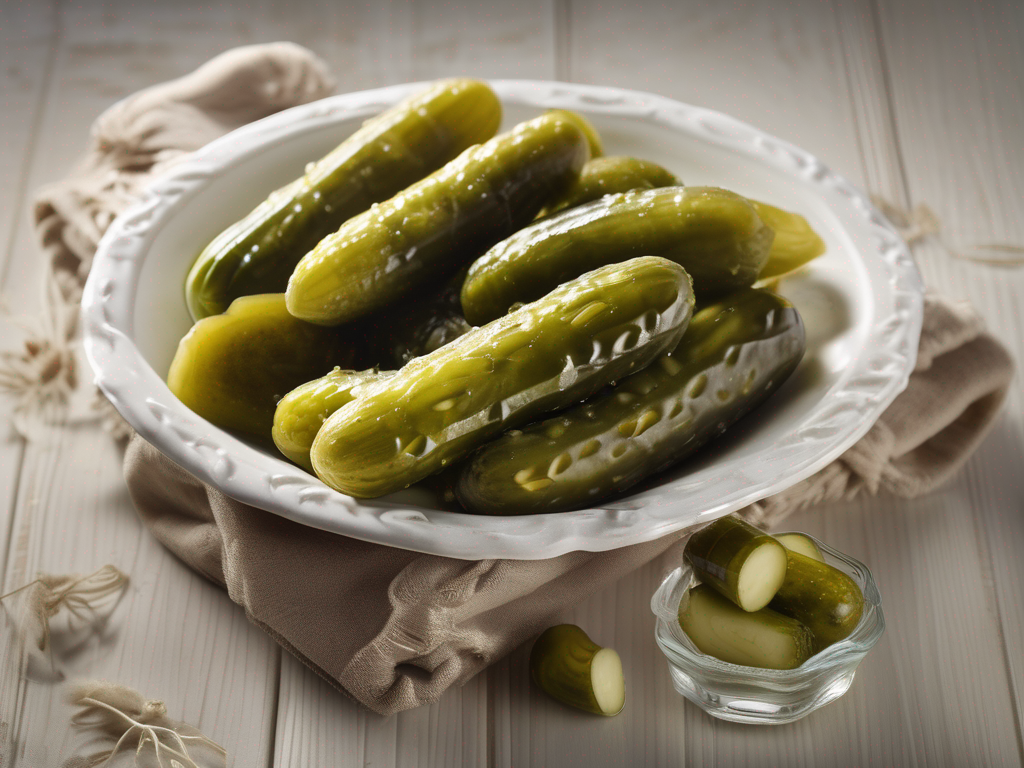
Do Pickles Expire if Unopened?
CanIEatExpired.com Team
# Do Pickles Expire if Unopened?

## Everything You Need to Know About Pickles Expiration

Pickles are a beloved condiment enjoyed by many around the world. Whether you prefer dill pickles, bread and butter pickles, or spicy pickles, these tangy treats add a burst of flavor to sandwiches, salads, and snacks. But have you ever wondered if pickles can expire? In this comprehensive guide, we will delve into the fascinating world of pickles, exploring their shelf life, how to tell if they have gone bad, and providing tips on proper storage to ensure your pickles stay fresh and safe to eat.

## Why Do Pickles Have a Long Shelf Life?

Pickles are made through a process of pickling, which involves preserving food in an acidic solution. This acidic environment inhibits the growth of bacteria, mold, and other microorganisms that cause food to spoil. The key ingredients in pickles that contribute to their long shelf life include:

### Vinegar
- Vinegar is a crucial component of pickling solutions.
- It creates an acidic environment that prevents the growth of harmful bacteria.

### Salt
- Salt is used in pickling to draw out moisture from the cucumbers.
- This helps preserve the pickles and enhances their texture and flavor.

### Spices and Herbs
- Spices and herbs not only add flavor to pickles but also have antimicrobial properties.
- They can help extend the shelf life of pickled goods.

## How Long Do Pickles Last?

The shelf life of pickles can vary depending on several factors, including the type of pickles, how they are stored, and whether they are opened or unopened. Here are some general guidelines to help you determine if your pickles are still safe to eat:

### Unopened Pickles
- **Store-Bought Pickles**: Unopened store-bought pickles can last for 1-2 years past their expiration date if stored properly.
- **Home-Canned Pickles**: Home-canned pickles can last for up to 1 year if stored in a cool, dark place.

### Opened Pickles
- **Refrigerated Pickles**: Once opened, refrigerated pickles can last for 1-2 months.
- **Room Temperature Pickles**: Pickles stored at room temperature after opening should be consumed within 1-2 weeks.

## Signs That Pickles Have Gone Bad

While pickles have a long shelf life, they can still spoil under certain conditions. Here are some signs that your pickles may have gone bad and should be discarded:

### Mold
- If you see any mold on the surface of the pickles or in the brine, discard them immediately.

### Off Odors
- If the pickles have a foul or off smell, they may have spoiled.

### Bulging Lids
- Bulging or swollen lids are a sign of bacterial activity and spoilage.

### Changes in Color or Texture
- Discoloration, sliminess, or mushiness are indicators that the pickles are no longer safe to eat.

## common situation

Imagine you’ve just finished a delightful summer picnic, and you’re left with a jar of half-eaten pickles that you plan to save for the next barbecue. This is a common situation! Many people toss these jars back into the fridge, thinking they’ll be just as crisp and delicious for the next event. However, after a week or two, they might find that the pickles have turned mushy, and the brine smells a little off. This leads to disappointment and waste.

Another relatable situation could be when you visit a friend's house for game night. They whip out an impressive spread and proudly serve you homemade pickles that have been sitting in their pantry for months. You’re tempted to take some home, but what if they didn’t can them properly? The last thing you want is to risk foodborne illness from improperly preserved food.

Or picture this: you’re at a family gathering, and your cousin brings along her homemade pickles, proudly boasting that they will last for a year. You might be tempted to grab a jar for your own pantry. But did she use the right canning techniques? Without proper processing, her pickles may not last as long as she claims. It’s crucial to educate yourself on safe canning practices, especially if you plan to enjoy or gift homemade pickles.

## Scientific Context: The Art of Pickling

What makes pickling a unique preservation method is the interplay of science and culinary art. The process of pickling not only involves vinegar and salt but also the actual fermentation of cucumbers when done traditionally. Fermented pickles use naturally occurring bacteria to create lactic acid, which adds to the tangy flavor and acts as a preservative. This natural fermentation produces probiotics, which are beneficial for digestion.

### Nutritional Benefits of Pickles
Many people don’t realize that pickles can also offer some nutritional benefits. They are low in calories and can provide a boost of antioxidants from the spices used in the brine. However, it’s important to be mindful of the sodium content; pickles can be high in salt, which can contribute to high blood pressure if consumed in excess.

## Proper Storage Tips

To extend the shelf life of your pickles and ensure they remain safe to eat, follow these storage tips:

1. **Refrigerate After Opening**: Once you open a jar of pickles, store it in the refrigerator to maintain freshness.
2. **Use Clean Utensils**: Always use clean utensils when removing pickles from the jar to prevent contamination.
3. **Keep the Jar Sealed**: Make sure the jar is tightly sealed after each use to prevent air and bacteria from entering.
4. **Store in a Cool, Dark Place**: Unopened pickles should be stored in a cool, dark place away from direct sunlight.
5. **Consider the Brine**: If you have leftover pickles, consider topping off the brine with a little more vinegar to help preserve their crunch and flavor.

## Common Mistakes in Pickle Storage

Many people struggle with proper pickle storage without realizing it. One common mistake is storing opened pickles in a pantry instead of the fridge. This quickly leads to spoilage. Another frequent error is not using a fork or tongs when retrieving pickles; using your fingers can introduce bacteria and moisture that compromise the brine.

Additionally, some folks might think that pickles are immune to expiration simply because they are preserved. While they are more durable than fresh produce, they do have a shelf life and can lose quality over time.

Another mistake is neglecting to check the brine level. As pickles absorb some of the brine over time, a low brine level can expose them to air, leading to spoilage. Always keep an eye on the liquid level and replenish it as needed.

## Expert Insights

Food safety experts recommend always checking the expiration date on store-bought pickles, even if they seem to be fine. The best-by date is not a hard stop; it indicates when the product is at its peak quality. After this date, while they may still be safe, their flavor and crunch could diminish.

For those interested in home canning, experts suggest investing in a good canning guide or taking a local class to learn the proper techniques. Safe canning practices not only help preserve the quality of your pickles but also ensure that you’re avoiding any potential food safety issues.

If you are canning pickles at home, ensure you are following guidelines from trusted sources, such as the USDA or the National Center for Home Food Preservation. They provide detailed instructions on how to safely can various types of pickles, including necessary processing times and methods to avoid contamination.

## Safety Warnings

It’s crucial to be vigilant about food safety with pickles. Eating spoiled pickles can lead to foodborne illnesses. If you ever have doubts about the safety of your pickles—especially home-canned ones—it's better to err on the side of caution and discard them. The risk is not worth it! Always trust your senses: if something seems off, it probably is.

## Creative Uses for Pickles

While pickles are fantastic on their own, they can also add a unique twist to many dishes. Consider incorporating them into potato salad, or as a topping on burgers, or even as a flavor enhancer in your favorite dips. If you're feeling adventurous, try blending dill pickles into a creamy dressing for a zesty potato or pasta salad.

For those who enjoy a bit of culinary experimentation, you can also try your hand at making your own pickles at home! This way, you can control the ingredients and flavors, creating something perfectly tailored to your taste buds. Plus, it’s a fun activity to share with friends and family!

## Review and Credibility

This comprehensive guide on pickles expiration consolidates information from multiple reputable sources to provide a thorough understanding of the shelf life of pickles, signs of spoilage, and proper storage techniques. The content is well-researched, offering valuable insights for pickle enthusiasts looking to enjoy their favorite tangy snack safely and deliciously.

For more information on pickles, visit our [pickles page](https://canieatexpired.com/food/pickles). Happy pickling!
Authoritative Food Safety References
These agencies and university labs inform every tip and health precaution we publish.
USDAOfficial guidance
USDA FoodKeeper – Cold Storage Guidelines
Official refrigerator, freezer, and pantry timelines maintained by the U.S. Department of Agriculture.
Visit USDA FoodKeeperFDAOfficial guidance
FDA Produce Safety Rule & Grower Guidance
Field-to-fridge handling practices that prevent contamination of fruits, vegetables, and leafy greens.
Visit FDA Produce SafetyCDCOfficial guidance
CDC Foodborne Illness Prevention Hub
Surveillance-backed guidance on pathogens, symptoms, and steps to reduce foodborne illness risk.
Visit CDC Food SafetyResearchUniversity research
UC Davis Postharvest Technology Center
University research detailing optimal storage atmospheres for produce after harvest.
Visit UC Davis PostharvestResearchUniversity research
Penn State Extension – Home Food Preservation & Safety
Peer-reviewed extension bulletins on safe canning, chilling, and reheating practices.
Visit Penn State Extension❓
Frequently Asked Questions
Do pickles expire if unopened?
Pickles typically have a long shelf life due to their high acidity and preservation methods. If stored in a cool, dark place, unopened pickles can last for up to 1-2 years past the expiration date on the jar.
How can I tell if unopened pickles have gone bad?
Check for any signs of spoilage such as a foul odor, mold growth, or a cloudy appearance in the liquid. If the pickles appear discolored or have an off smell, it's best to discard them to avoid any risk of foodborne illness.
Can unopened pickles make you sick if expired?
While unopened pickles are less likely to cause food poisoning, consuming expired pickles can still pose a risk to your health. It's important to follow proper storage guidelines and discard any pickles that show signs of spoilage to prevent potential illness.
Should I refrigerate unopened pickles?
It's generally recommended to store unopened pickles in a cool, dark place like a pantry. However, once opened, pickles should be refrigerated to maintain their quality and prevent spoilage.
Can unopened pickles be frozen for extended storage?
Freezing unopened pickles is not recommended as it can affect the texture and flavor of the pickles. It's best to follow the storage instructions on the jar and consume the pickles within the recommended timeframe for the best quality.
📚
Citations
Disclosure: As an Amazon Associate, we earn from qualifying purchases. This helps support our site and allows us to continue providing free food safety information.
Our articles are created using a combination of AI assistance and human review. All food safety information is based on USDA guidelines and credible sources. Learn more about our review process here.