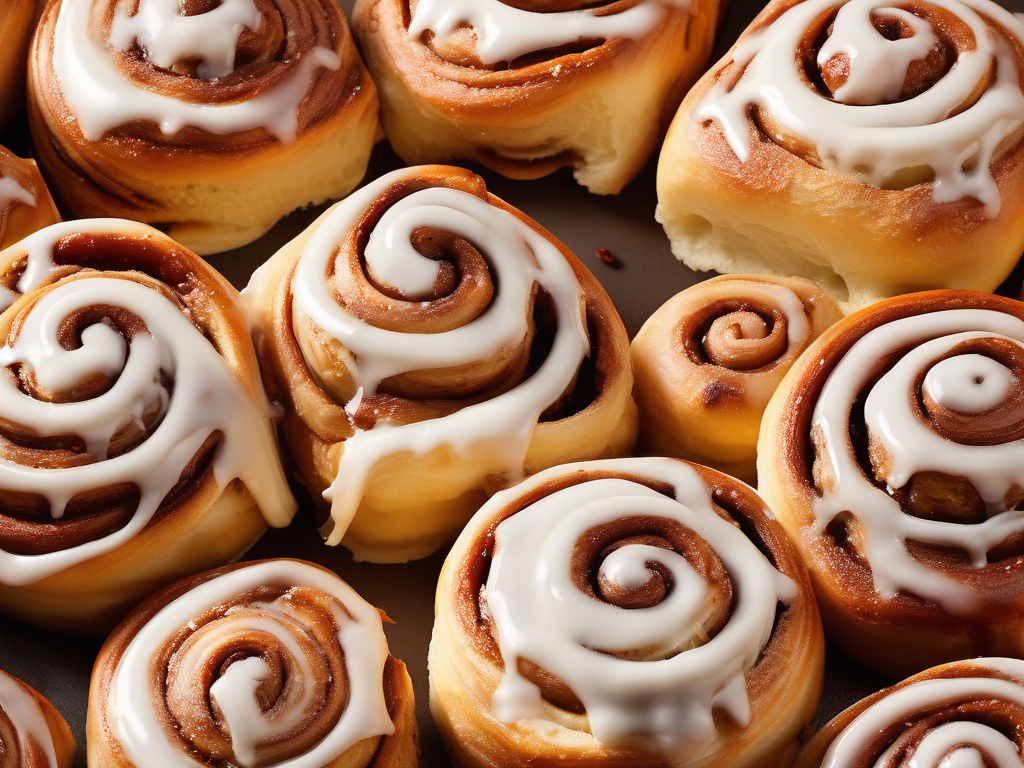
Do Cinnamon Rolls Go Bad After the Expiration Date?
CanIEatExpired.com Team
# Do Cinnamon Rolls Go Bad After the Expiration Date?

Cinnamon rolls are a delicious treat enjoyed by many, but what happens when you find a pack of cinnamon rolls in your pantry past the expiration date? Are they still safe to eat, or should you toss them out? In this blog post, we will explore the shelf life of cinnamon rolls, how to tell if they have gone bad, and provide tips on proper storage to keep them fresh for longer. ([Cinnamon rolls](https://canieatexpired.com/food/cinnamon-rolls))

## Understanding the Shelf Life of Cinnamon Rolls

Cinnamon rolls typically come with an expiration date printed on the packaging. This date indicates the estimated period during which the cinnamon rolls will maintain their best quality in terms of taste and texture. However, it does not mean that the cinnamon rolls are unsafe to eat immediately after the expiration date.

### Factors Affecting the Shelf Life of Cinnamon Rolls

Several factors can influence the shelf life of cinnamon rolls:

1. **Ingredients**: The quality of ingredients used in the cinnamon rolls can impact how long they stay fresh.
2. **Storage**: Proper storage is crucial for extending the shelf life of cinnamon rolls.
3. **Packaging**: The packaging of the cinnamon rolls plays a significant role in preventing contamination and spoilage.

## Signs That Cinnamon Rolls Have Gone Bad

Even if the expiration date has passed, you can still assess whether your cinnamon rolls are safe to eat by looking for the following signs of spoilage:

### Visual Inspection

- Mold growth on the surface of the cinnamon rolls.
- Discoloration or dark spots.
- Unpleasant odor or off-smell.

### Texture and Taste

- Dry, hard texture.
- Rancid or sour taste.

If you notice any of these signs, it is best to discard the cinnamon rolls to avoid the risk of foodborne illness.

## common situation

Imagine this: You’ve just finished a cozy family dinner and, as a treat, you decide to pull out a pack of cinnamon rolls you purchased a few weeks ago. You reach into the pantry and find a half-eaten pack that’s been there longer than intended. Or perhaps you were gifted a dozen homemade cinnamon rolls, and after a week of indulging, you notice they’re still sitting, untouched, on your kitchen counter. What do you do?

Many people face this dilemma, and what often comes to mind is the nagging thought: "How long can I really keep these?" In one case, a friend of mine discovered a pack of store-bought cinnamon rolls tucked away in her pantry during spring cleaning. They were past their expiration date by about a month. Instead of tossing them out immediately, she checked for signs of spoilage and found them perfectly fine. A quick warm-up in the oven, and they tasted just as delightful as the day she bought them.

In another situation, a colleague had happily baked a batch of homemade cinnamon rolls for a weekend gathering. Unfortunately, they ended up with leftovers. By the time Monday rolled around, she was unsure about eating them. Remembering my tips, she checked for any mold, and they were still good! She decided to freeze the remaining rolls for a later date, avoiding waste.

These relatable situations highlight how common it is to question the safety of cinnamon rolls after their expiration date. Knowing how to identify spoilage can help prevent unnecessary waste and ensure you enjoy your treats.

## Proper Storage Tips for Cinnamon Rolls

To maximize the shelf life of your cinnamon rolls and maintain their freshness, follow these storage tips:

1. **Refrigeration**: Store any leftover cinnamon rolls in an airtight container in the refrigerator to prolong their freshness. The cool temperature helps slow down spoilage processes.

2. **Freezing**: Cinnamon rolls can be frozen for longer storage. Wrap them tightly in plastic wrap or aluminum foil before freezing. This protects them from freezer burn and maintains their flavor. When you’re ready to enjoy them, let them thaw in the fridge overnight and warm them up in the oven for a freshly baked taste!

3. **Room Temperature**: If the cinnamon rolls are unopened and have not passed the expiration date, store them in a cool, dry place away from direct sunlight. High temperatures can accelerate spoilage and affect the texture.

### Additional Storage Techniques

- **Use of Airtight Containers**: Beyond just wrapping, consider investing in vacuum-sealed bags designed for food storage. These can help eliminate air and moisture, keeping your cinnamon rolls fresher for longer.

- **Portion Control**: If you have a big batch, consider individually wrapping portions before freezing. This makes it easy to grab just what you need without having to defrost the entire batch.

- **Storage Duration**: Store-bought cinnamon rolls can last about 1-2 weeks in the refrigerator, while frozen cinnamon rolls can be kept for up to 3 months. Homemade cinnamon rolls might have a shorter shelf life due to fewer preservatives.

## Common Mistakes in Cinnamon Roll Storage

Even the most seasoned bakers can make mistakes when it comes to storing cinnamon rolls. Here are a few common pitfalls to avoid:

- **Not Checking the Packaging**: Many people assume that all cinnamon rolls are packaged similarly. Make sure to read the instructions on your specific product, as some may have different storage recommendations.

- **Leaving Out for Too Long**: Leaving cinnamon rolls out on the counter for a week might seem harmless, but it can lead to early spoilage. If you expect them to last more than a couple of days, refrigerate or freeze them.

- **Ignoring Signs of Spoilage**: Sometimes, we want to rationalize that food is still good based on the smell or appearance. If you see mold or any other signs of spoilage, it’s always better to toss it than to take a risk.

## Expert Insights

Professional food safety experts emphasize the importance of understanding the science behind food expiration and spoilage. Foods like cinnamon rolls may contain preservatives that can extend their shelf life, but those don’t mean that they are immune to spoilage.

Many food safety guidelines recommend the “first in, first out” approach. This means that you should consume older products before newer ones. It’s an effective way to minimize food waste and ensure you’re enjoying your baked goods at their best quality.

Moreover, experts often highlight the role of humidity in storage. If you live in a particularly humid environment, consider using desiccants in storage containers to absorb moisture, which can lead to mold growth.

## Safety Warnings and Considerations

It's important to keep in mind that while many cinnamon rolls can technically be safe to eat after the expiration date, you should always prioritize your health. Here are some crucial safety warnings:

- **Health Risks**: Consuming spoiled food can lead to foodborne illnesses, which can range from mild gastrointestinal discomfort to severe health complications. Always err on the side of caution.

- **Children and Vulnerable Populations**: If you’re serving cinnamon rolls to children, the elderly, or anyone with a compromised immune system, it's best to be even more cautious about consuming expired products.

## Conclusion

In conclusion, while the expiration date on cinnamon rolls serves as a guideline for optimal quality, it does not necessarily mean they are unsafe to eat after that date. By paying attention to signs of spoilage and following proper storage practices, you can enjoy your cinnamon rolls safely even after the expiration date. Remember to trust your senses and when in doubt, it's best to err on the side of caution and discard any cinnamon rolls that show signs of spoilage. Enjoy your sweet treats responsibly!

For more information on cinnamon rolls, visit our [cinnamon rolls page](/food/cinnamon rolls). ([Cinnamon rolls](https://canieatexpired.com/food/cinnamon-rolls))

## Related Posts

Here are some other articles you might find helpful:

- [When to Discard Moldy Cinnamon Rolls from Your Pantry](/blog/when-to-discard-moldy-cinnamon-rolls-from-your-pantry)
- [How to Properly Store Leftover Cinnamon Rolls for Freshness](/blog/how-to-properly-store-leftover-cinnamon-rolls-for-freshness)
- [Top Tips for Preventing Dry Cinnamon Rolls in the Fridge](/blog/top-tips-for-preventing-dry-cinnamon-rolls-in-the-fridge)
- [Are Cinnamon Rolls Still Safe to Eat After Being Left Out Overnight?](/blog/are-cinnamon-rolls-still-safe-to-eat-after-being-left-out-overnight)
- [Extending the Shelf Life of Homemade Cinnamon Rolls](/blog/how-can-i-extend-the-shelf-life-of-homemade-cinnamon-rolls)
Authoritative Food Safety References
These agencies and university labs inform every tip and health precaution we publish.
USDAOfficial guidance
USDA FoodKeeper – Cold Storage Guidelines
Official refrigerator, freezer, and pantry timelines maintained by the U.S. Department of Agriculture.
Visit USDA FoodKeeperFDAOfficial guidance
FDA Produce Safety Rule & Grower Guidance
Field-to-fridge handling practices that prevent contamination of fruits, vegetables, and leafy greens.
Visit FDA Produce SafetyCDCOfficial guidance
CDC Foodborne Illness Prevention Hub
Surveillance-backed guidance on pathogens, symptoms, and steps to reduce foodborne illness risk.
Visit CDC Food SafetyResearchUniversity research
UC Davis Postharvest Technology Center
University research detailing optimal storage atmospheres for produce after harvest.
Visit UC Davis PostharvestResearchUniversity research
Penn State Extension – Home Food Preservation & Safety
Peer-reviewed extension bulletins on safe canning, chilling, and reheating practices.
Visit Penn State ExtensionDisclosure: As an Amazon Associate, we earn from qualifying purchases. This helps support our site and allows us to continue providing free food safety information.
Our articles are created using a combination of AI assistance and human review. All food safety information is based on USDA guidelines and credible sources. Learn more about our review process here.