The Ultimate Guide to Corn Tortillas Expiration Date
The Ultimate Guide to Corn Tortillas Expiration Date
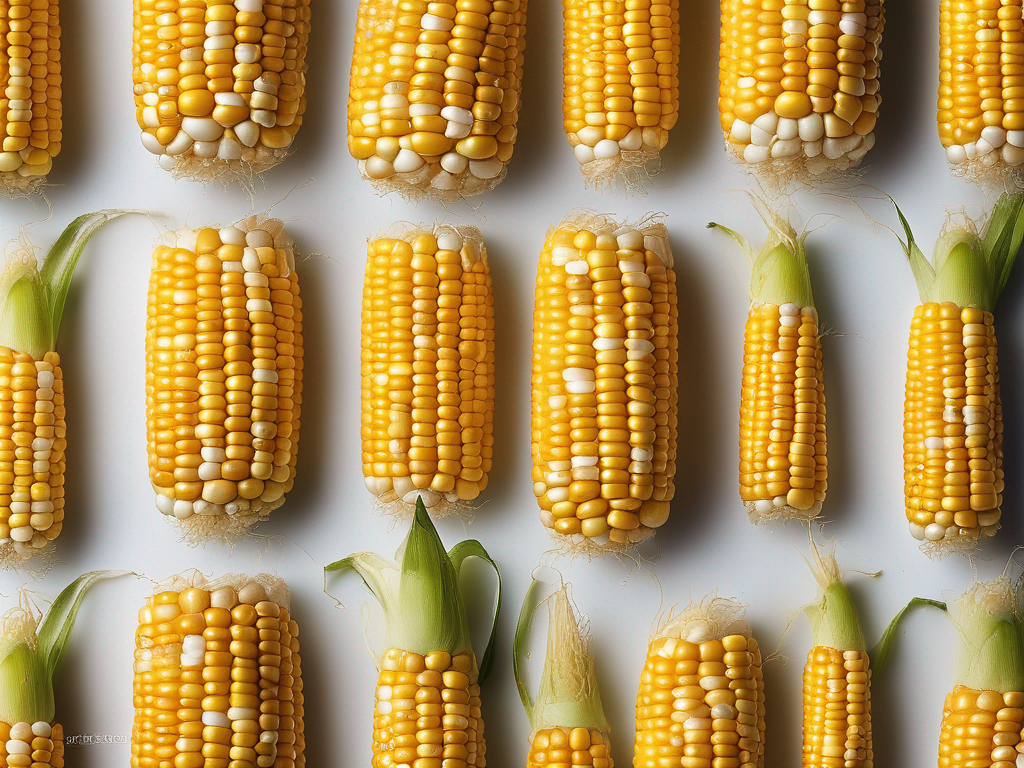
Corn tortillas are a staple in many households, known for their versatility and delicious taste. Whether you use them for tacos, enchiladas, or as a side dish, it's important to understand how to properly store and determine their expiration date. In this comprehensive guide, we will delve into the world of corn tortillas and explore everything you need to know about their shelf life and safety. (Corn)
Understanding Corn Tortillas Expiration Date
Corn tortillas, made from masa harina (corn flour), have a relatively long shelf life compared to other perishable foods. However, like all food products, they do have an expiration date. Here are some key points to keep in mind:
Factors Affecting Expiration Date
Several factors can influence the shelf life of corn tortillas:
Proper cooking temperatures are essential for food safety. An instant-read food thermometer (Amazon) helps ensure meat reaches safe internal temperatures and reduces the risk of foodborne illness.
-
Packaging: The packaging plays a crucial role in preserving the freshness of corn tortillas. Vacuum-sealed or airtight packaging can help extend their shelf life.
-
Storage Conditions: Proper storage is essential. Corn tortillas should be stored in a cool, dry place away from direct sunlight and heat sources.
-
Quality of Ingredients: The quality of the corn flour and other ingredients used in making the tortillas can impact their shelf life.
How to Determine Expiration Date
While corn tortillas typically come with a "best by" or "use by" date on the packaging, it's essential to know how to determine if they are still safe to eat:
-
Check for Mold: If you notice any mold growth or discoloration on the tortillas, it's best to discard them immediately.
-
Smell Test: If the tortillas emit a sour or off smell, they may have gone bad.
-
Texture: Expired tortillas may become dry, brittle, or rubbery in texture.
common situation: When Expiration Dates Matter
Imagine you’re hosting a taco night with friends, and you pull out a package of corn tortillas that have been sitting in your pantry for a while. You glance at the date and realize it’s a few weeks past the “best by” date. You remember something your grandmother used to say about food freshness and wonder if you should still use them.
Another situation might be when you open a package of tortillas for a quick lunch, only to find they have an off smell. You’re not sure if it’s just the packaging or if the tortillas have actually spoiled, and you hesitate to use them for your quesadilla.
In both situations, knowing how to properly evaluate the tortillas based on the factors we discussed earlier can help you make informed decisions and avoid food waste.
A Culinary Experiment Gone Wrong
Picture this: It's a Saturday afternoon, and you're feeling adventurous in the kitchen. You decide to experiment with a new recipe that calls for corn tortillas. You rummage through your pantry and find a package that you forgot about, now a couple of months beyond the "best by" date. Confident in your cooking skills, you proceed to use them, only to find that they crumble apart as you try to assemble your dish. The result? A sad pile of soggy ingredients instead of the delightful meal you envisioned. This is a prime example of how disregarding expiration dates can lead to culinary disappointments.
Family Taco Night Disaster
Let's say it's family taco night, and you want to impress your loved ones with homemade tacos. You bring out the fresh ingredients, and then suddenly remember the corn tortillas that you purchased a month ago. They look fine, but out of curiosity, you check the date and find that they expired last week. An internal debate begins: do you risk it? You choose to use them anyway, but during dinner, your kids complain about the weird taste and texture. Not only do you have unhappy diners, but you also have wasted food. This situation highlights the importance of not just checking dates but also trusting your senses to assess food quality.
Proper Storage Tips for Corn Tortillas
To maximize the shelf life and maintain the quality of your corn tortillas, follow these storage tips:
-
Refrigeration: For longer storage, refrigerate corn tortillas in an airtight container or resealable plastic bag.
-
Freezing: Corn tortillas can be frozen for up to 6 months. Wrap them in plastic wrap or aluminum foil before placing them in a freezer-safe bag.
-
Avoid Moisture: Moisture can lead to mold growth, so ensure the tortillas are stored in a dry environment.
-
Use a Fridge Bin: Consider using a designated fridge bin for storing tortillas to keep them organized and easily accessible.
Additional Storage Techniques
Many people don’t realize that stacking tortillas directly on top of each other, especially if they are slightly warm or damp, can lead to sticking and spoilage. Instead, consider placing a piece of parchment paper between each tortilla to allow airflow and prevent moisture retention.
Another effective technique is to use a tortilla warmer—an insulated container designed to keep tortillas warm and pliable. While they are typically used for serving, you can also store leftover tortillas in a tortilla warmer to maintain their texture and freshness for an extended period.
Smart Freezing Tips
When freezing tortillas, it’s essential to take a few extra steps to ensure they maintain their quality. For instance, try to remove as much air as possible from the freezer bag before sealing it. Using a straw to suck out the air can be a simple yet effective method. Additionally, consider portioning out your tortillas into smaller stacks before freezing. This way, you can take out only what you need, preventing repeated thawing and refreezing, which can affect texture.
Common Mistakes in Storage
One common mistake is storing opened packages of tortillas in the original packaging without sealing them properly. This can expose the tortillas to air and humidity, leading to quicker spoilage. Always transfer opened tortillas to an airtight container or resealable bag.
Another mistake is not checking for freezer burn when using frozen tortillas. If tortillas are left in the freezer without proper wrapping, they can develop freezer burn, affecting their taste and texture. Always ensure they are wrapped tightly to maintain quality.
Safety Precautions and Best Practices
When it comes to food safety, it's crucial to follow these precautions to prevent foodborne illnesses:
-
Avoid Cross-Contamination: Keep raw meat, poultry, and seafood separate from corn tortillas to prevent cross-contamination.
-
Proper Handling: Always wash your hands before handling tortillas and use clean utensils to avoid contamination.
-
Heating Instructions: Follow the heating instructions on the packaging to ensure the tortillas are thoroughly cooked.
Expert Insights on Food Safety
Food safety experts recommend keeping your pantry organized, with older products in the front and newer items in the back. This “first in, first out” method helps ensure that you consume items before they reach their expiration date.
Another professional tip is to label your tortillas with purchase dates if you are transferring them to different storage containers. This simple step can remind you of their freshness and help prevent waste.
Understanding Food Safety Science
It’s fascinating to note that the shelf life of food products, including corn tortillas, comes down to factors like moisture content, pH levels, and presence of preservatives. Corn tortillas, due to their lower moisture content compared to other bread products, tend to have a longer shelf life. However, the absence of preservatives in some brands can lead to a shorter lifespan, making it essential to consider the ingredients as well.
Nutritional Benefits of Corn Tortillas
Corn tortillas are not only flavorful but also come with their own set of nutritional quality:
-
Low in Fat: Unlike flour tortillas, corn tortillas typically have less fat, making them a healthier choice for wrapping your favorite fillings.
-
Gluten-Free: For those with gluten sensitivities or celiac disease, corn tortillas are a safe option.
-
Rich in Fiber: Corn tortillas are made from whole grains, providing a good source of dietary fiber which aids digestion and helps maintain a healthy weight.
-
Essential Nutrients: They are also rich in B vitamins, which are important for energy metabolism and overall health.
The Role of Corn in Nutrition
Many people don’t realize that corn itself is a fantastic source of antioxidants, including lutein and zeaxanthin. These compounds are beneficial for eye health. In addition, corn is a source of carotenoids, which contribute to the vibrant yellow color of many corn products. By incorporating corn tortillas into your meals, you're not just enjoying a tasty addition; you're also boosting your nutrient intake.
Conclusion
In conclusion, understanding the expiration date and proper storage of corn tortillas is essential for maintaining their quality and ensuring food safety. By following the tips outlined in this guide, you can enjoy delicious and safe corn tortillas in your meals. Remember to always prioritize food safety practices and discard any tortillas that show signs of spoilage. Corn tortillas are not only a versatile ingredient but also a delicious addition to your culinary repertoire when handled and stored correctly.
Related Posts
Here are some other articles you might find helpful:
- The Ultimate Guide to Corn Tortilla Expiration Dates
- La mejor manera de almacenar las tortillas de maíz para prolongar su vida útil
- Recettes créatives pour utiliser les acérolas trop mûrs
- Father's Day Car Show: A Celebration of Cars, Food, and Fun
- The Ultimate Refrigerated Food List: Keeping Your Food Safe and Fresh
Authoritative Food Safety References
These agencies and university labs inform every tip and health precaution we publish.
USDA FoodKeeper – Cold Storage Guidelines
Official refrigerator, freezer, and pantry timelines maintained by the U.S. Department of Agriculture.
Visit USDA FoodKeeperFDA Produce Safety Rule & Grower Guidance
Field-to-fridge handling practices that prevent contamination of fruits, vegetables, and leafy greens.
Visit FDA Produce SafetyCDC Foodborne Illness Prevention Hub
Surveillance-backed guidance on pathogens, symptoms, and steps to reduce foodborne illness risk.
Visit CDC Food SafetyUC Davis Postharvest Technology Center
University research detailing optimal storage atmospheres for produce after harvest.
Visit UC Davis PostharvestPenn State Extension – Home Food Preservation & Safety
Peer-reviewed extension bulletins on safe canning, chilling, and reheating practices.
Visit Penn State ExtensionDisclosure: As an Amazon Associate, we earn from qualifying purchases. This helps support our site and allows us to continue providing free food safety information.