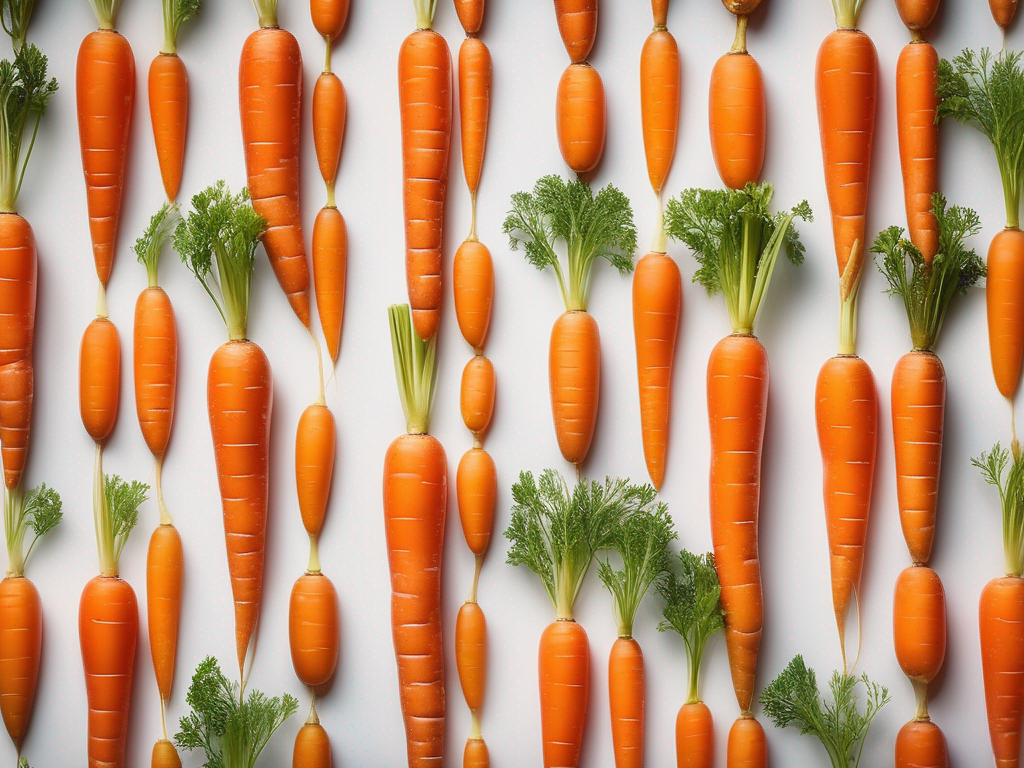
The Ultimate Guide to Carrot Storage Tips for a Longer Shelf Life
The Ultimate Guide to Carrot Storage Tips for a Longer Shelf Life
Carrots are not only crunchy and delicious but also packed with essential nutrients like beta-carotene, fiber, and vitamins. Properly storing carrots can help extend their shelf life and maintain their freshness. In this guide, we'll explore various storage tips to help you keep your carrots fresher for longer. (Carrots)
Why Proper Carrot Storage Matters
Proper storage of carrots is crucial for several reasons:
- Preserve Freshness: Storing carrots correctly helps maintain their crunchiness, flavor, and nutritional value.
- Prevent Spoilage: Improper storage can lead to mold growth, shriveling, or rotting of carrots.
- Reduce Food Waste: By storing carrots effectively, you can minimize food waste and save money.
Best Practices for Storing Carrots
1. Choosing the Right Carrots
Before storing carrots, ensure you select the freshest ones:
Proper cooking temperatures are essential for food safety. An instant-read food thermometer (Amazon) helps ensure meat reaches safe internal temperatures and reduces the risk of foodborne illness.
- Look for carrots with firm texture and vibrant color.
- Avoid carrots with soft spots, mold, or wilting greens.
2. Cleaning and Preparing Carrots
Properly cleaning and preparing carrots before storage is essential:
- Wash: Rinse carrots under cold water to remove dirt and debris.
- Trim: Cut off the carrot tops to prevent moisture loss.
- Dry: Pat the carrots dry with a clean towel before storing.
3. Storage Options for Carrots
There are several storage methods you can use to keep your carrots fresh:
a. Refrigerator Storage
- Plastic Bag: Place cleaned and dried carrots in a plastic bag and store them in the crisper drawer.
- Container with Water: Store carrots in a container filled with water to maintain moisture.
- Ventilated Bag: Use a perforated plastic bag to allow airflow and prevent condensation.
b. Root Cellar Storage
- Sand Bed: Store carrots in a wooden crate filled with damp sand in a cool, dark root cellar.
- Temperature: Maintain a temperature of around 32-40°F (0-4°C) for optimal storage.
4. Avoiding Common Mistakes
To ensure the longevity of your carrots, avoid these common storage mistakes:
- Exposure to Moisture: Moisture can cause carrots to rot quickly. Keep them dry during storage.
- Proximity to Ethylene-Producing Foods: Keep carrots away from ethylene-producing fruits like apples and bananas to prevent them from ripening too quickly.
- Improper Ventilation: Lack of airflow can lead to mold growth. Use breathable storage containers or perforated bags.
Conclusion
Proper storage of carrots is essential for maintaining their freshness and extending their shelf life. By following the tips outlined in this guide, you can enjoy delicious and nutritious carrots for longer periods. Remember to choose fresh carrots, clean and prepare them correctly, and store them in the appropriate conditions to prevent spoilage. With these storage tips, you can make the most of your carrots and reduce food waste in your kitchen. Visit carrots for more information on this versatile vegetable. (Carrots)
Related Posts
Here are some other articles you might find helpful:
Authoritative Food Safety References
These agencies and university labs inform every tip and health precaution we publish.
USDA FoodKeeper – Cold Storage Guidelines
Official refrigerator, freezer, and pantry timelines maintained by the U.S. Department of Agriculture.
Visit USDA FoodKeeperFDA Produce Safety Rule & Grower Guidance
Field-to-fridge handling practices that prevent contamination of fruits, vegetables, and leafy greens.
Visit FDA Produce SafetyCDC Foodborne Illness Prevention Hub
Surveillance-backed guidance on pathogens, symptoms, and steps to reduce foodborne illness risk.
Visit CDC Food SafetyUC Davis Postharvest Technology Center
University research detailing optimal storage atmospheres for produce after harvest.
Visit UC Davis PostharvestPenn State Extension – Home Food Preservation & Safety
Peer-reviewed extension bulletins on safe canning, chilling, and reheating practices.
Visit Penn State ExtensionDisclosure: As an Amazon Associate, we earn from qualifying purchases. This helps support our site and allows us to continue providing free food safety information.