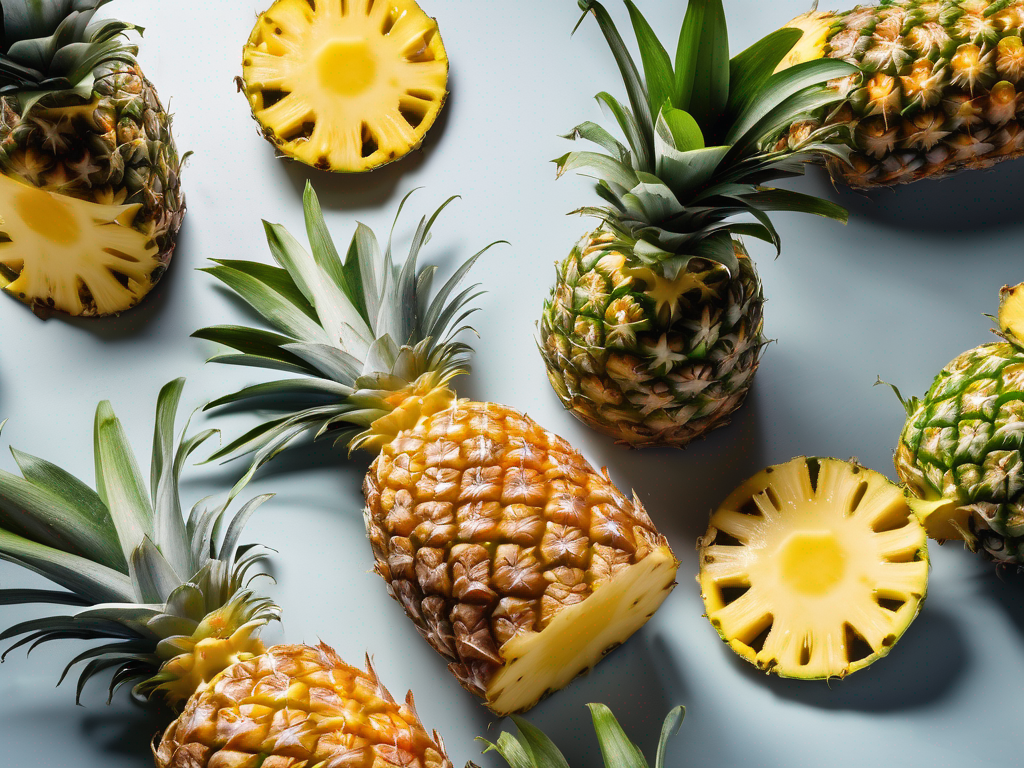
Canned Pineapple Shelf Life: A Comprehensive Guide
CanIEatExpired.com Team
# Canned Pineapple Shelf Life: A Comprehensive Guide

Canned pineapple is a versatile and convenient pantry staple that can add a touch of sweetness to both sweet and savory dishes. However, like any other canned product, it is essential to understand its shelf life to ensure its safety and quality. In this comprehensive guide, we will explore everything you need to know about the shelf life of canned pineapple, including storage tips and safety information. ([Pineapple](https://canieatexpired.com/food/pineapple))

## How Long Does Canned Pineapple Last?

Canned pineapple typically has a long shelf life due to the canning process, which helps preserve the fruit's freshness. Here are some general guidelines on how long canned pineapple can last:

### Unopened Canned Pineapple

- **Store-Bought:** Most commercially canned pineapple can last for up to 1-2 years past the expiration date printed on the can.
- **Home-Canned:** If you have home-canned pineapple, it is recommended to consume it within 1 year for the best quality.

### Opened Canned Pineapple

- Once opened, canned pineapple can last for:
  - **Refrigerated:** Up to 3-4 days in the refrigerator.
  - **Freezer:** Up to 3-6 months in the freezer.

## Factors Affecting Canned Pineapple Shelf Life

Several factors can impact the shelf life of canned pineapple, including:

### Storage Conditions

- **Temperature:** Store canned pineapple in a cool, dry place away from direct sunlight and heat sources.
- **Humidity:** Keep the cans in a low-humidity environment to prevent rust and spoilage.
- **Proper Sealing:** Ensure the cans are properly sealed and free from dents or damage.

### Quality of Pineapple

- The quality of the pineapple used in the canning process can affect its shelf life. Opt for high-quality canned pineapple from reputable brands for better longevity.

### Contamination

- Avoid cross-contamination by using clean utensils when handling canned pineapple.
- Do not consume canned pineapple if the can shows signs of damage, bulging, or leakage.

## How to Store Canned Pineapple Properly

To maximize the shelf life of canned pineapple and maintain its quality, follow these storage tips:

1. **Cool, Dry Place:** Store canned pineapple in a cool, dry pantry away from sunlight and heat.
2. **Avoid Freezing:** While canned pineapple can be frozen once opened, it is best to consume it fresh for optimal taste and texture.
3. **Check Expiry Dates:** Rotate your canned goods regularly and consume them before the expiration date for the best quality.

## common situation

Imagine you’re hosting a tropical-themed dinner party. You’ve pulled together a dazzling spread that includes a sweet and tangy pineapple salsa as an appetizer. You open a can of pineapple slices, only to find that the can is bulging and the fruit smells off. This situation underscores the importance of inspecting canned goods before use. A simple check can save you from a culinary disaster!

Or consider this: you've just moved into a new home and are unpacking your kitchen. You find a few cans of pineapple tucked away at the back of a shelf. You check the expiration date and see that they’re still good, but you want to be sure of their quality. You remember the guidance about how long canned pineapple lasts and check for any signs of spoilage before diving in.

In another situation, think of a busy parent trying to whip up a quick dessert for their child’s birthday party. They decide to make a pineapple upside-down cake using canned pineapple. After hastily grabbing a can from the cupboard, they notice that the can is slightly rusted. They remember that rust can affect food safety and decide to skip the cake this time, opting for fresh fruit instead. This is a great reminder that quick decisions can sometimes lead to better food safety choices!

## Scientific Context

Canned pineapple undergoes a method of preservation known as canning, which involves sealing the fruit in a can and heating it to kill bacteria, molds, and yeasts. This process not only extends the shelf life but also maintains the pineapple's nutritional value. Nutritionally, canned pineapple retains many of the vitamins and minerals found in fresh pineapple, including vitamin C and manganese. However, it's worth noting that the canning process can slightly alter the texture, making it softer than fresh pineapple.

Additionally, many brands add sugar syrup during the canning process. This can increase the calorie content, which is something to consider if you're watching your sugar intake. Opt for canned pineapple packed in its juice or water to avoid extra sugars where possible. It's also interesting to note that the canning process preserves enzymes that help maintain the fruit's vibrant color, ensuring your dish looks as appealing as it tastes!

## Safety Tips for Consuming Canned Pineapple

When consuming canned pineapple, it is essential to follow these safety tips to prevent foodborne illnesses:

### Check for Signs of Spoilage

- **Appearance:** Discard canned pineapple if it has a foul odor, unusual color, or mold growth.
- **Texture:** If the pineapple feels slimy or mushy, it is best to avoid consuming it.

### Proper Handling

- Wash your hands before and after handling canned pineapple to prevent contamination.
- Use clean utensils and containers when serving canned pineapple to maintain its freshness.

## Common Mistakes to Avoid

Many people don’t realize that simply checking the expiration date isn’t enough. Here are a few common mistakes to avoid:

- **Ignoring Can Damage:** A dented or rusted can may compromise the seal and safety of the contents. Always inspect your cans for physical damage before using them.
- **Not Refrigerating After Opening:** Forgetting to refrigerate leftover canned pineapple is a common oversight. Always transfer leftovers to an airtight container and refrigerate them immediately to ensure safety.
- **Overlooking Cross-Contamination:** Using dirty utensils or hands can introduce bacteria to your canned goods. Always practice good hygiene when handling food.
- **Not Considering the Canning Liquid:** Some people discard the liquid when using canned pineapple, not realizing that it can be a valuable ingredient in sauces or drinks. Use it to add flavor and sweetness to your recipes!

## Expert Insights

Food safety experts recommend using canned pineapple within the suggested time frames for both opened and unopened cans. They emphasize the importance of proper storage and handling to prevent foodborne illnesses. Additionally, they advise consumers to be cautious with home-canned goods. Unlike commercially canned products, home-canned foods may not be processed at the same temperatures and pressures, which can lead to potential safety issues if not done correctly.

Experts also suggest that consumers familiarize themselves with food storage techniques. For instance, keeping your pantry organized can help you track expiration dates better. You might consider implementing the FIFO (First In, First Out) method, which ensures that older items are used before newer ones.

## Storage Methods

If you find yourself with an abundance of canned pineapple, there are several ways to store it properly:

- **Refrigeration:** After opening, store any unused pineapple in a glass or plastic container with a tight-fitting lid. This helps protect it from absorbing other odors in your refrigerator.

- **Freezing:** If you decide to freeze opened canned pineapple, drain the syrup or juice first, and then pack the fruit in freezer-safe bags or containers. Make sure to remove as much air as possible to prevent freezer burn. When ready to use, thaw it in the refrigerator for a few hours or overnight.

- **Creative Uses:** Consider incorporating canned pineapple into smoothies, fruit salads, or even savory dishes like stir-fries or pizzas. Being creative with your pantry staples can help you use them up efficiently. Try making a tropical smoothie bowl with blended canned pineapple, yogurt, and a sprinkle of coconut flakes for a refreshing treat!

## Safety Warnings

While canned pineapple is generally safe to eat, there are important cautions and safety considerations to keep in mind:

- **Avoiding BPA:** Some cans are lined with materials that contain BPA (Bisphenol A), a chemical that has raised health concerns. Look for brands that are labeled as BPA-free.
- **Monitoring Allergies:** If you or someone in your household has allergies, make sure to read the ingredient list on the can, as some brands may include preservatives or additives that could trigger allergic reactions.

## Conclusion

Canned pineapple is a convenient and versatile ingredient to have in your pantry. By understanding its shelf life and following proper storage and safety guidelines, you can enjoy this tropical fruit in various dishes without compromising your health. Remember to check the expiration dates, store the cans properly, and inspect the pineapple for signs of spoilage before consumption. By following these tips, you can make the most of your canned pineapple and savor its sweet flavor for an extended period. ([Pineapple](https://canieatexpired.com/food/pineapple))

## Related Posts

Here are some other articles you might find helpful:

- [The Ultimate Guide to Frozen Fruit Shelf Life](/blog/frozen-fruit-shelf-life)
- [When Does Apple Juice Expire: A Comprehensive Guide](/blog/when-does-apple-juice-expire)
- [Can You Drink Unopened Expired Apple Juice?](/blog/can-you-drink-unopened-expired-apple-juice)
- [How Long Does Canned Pineapple Juice Last?](/blog/how-long-does-canned-pineapple-juice-last)
- [How Long Are Frozen Fruits Good For: A Comprehensive Guide](/blog/how-long-are-frozen-fruits-good-for)
Authoritative Food Safety References
These agencies and university labs inform every tip and health precaution we publish.
USDAOfficial guidance
USDA FoodKeeper – Cold Storage Guidelines
Official refrigerator, freezer, and pantry timelines maintained by the U.S. Department of Agriculture.
Visit USDA FoodKeeperFDAOfficial guidance
FDA Produce Safety Rule & Grower Guidance
Field-to-fridge handling practices that prevent contamination of fruits, vegetables, and leafy greens.
Visit FDA Produce SafetyCDCOfficial guidance
CDC Foodborne Illness Prevention Hub
Surveillance-backed guidance on pathogens, symptoms, and steps to reduce foodborne illness risk.
Visit CDC Food SafetyResearchUniversity research
UC Davis Postharvest Technology Center
University research detailing optimal storage atmospheres for produce after harvest.
Visit UC Davis PostharvestResearchUniversity research
Penn State Extension – Home Food Preservation & Safety
Peer-reviewed extension bulletins on safe canning, chilling, and reheating practices.
Visit Penn State Extension❓
Frequently Asked Questions
How can I tell if canned pineapple has gone bad?
Signs that canned pineapple has gone bad include a foul odor, mold growth, or a noticeable change in color or texture. If you notice any of these signs, it is best to discard the canned pineapple to avoid the risk of foodborne illness.
Can I extend the shelf life of canned pineapple?
To extend the shelf life of canned pineapple, store it in a cool, dry place away from direct sunlight and high temperatures. Once opened, transfer any unused portion to an airtight container and refrigerate it promptly to maintain freshness.
Can I freeze canned pineapple to prolong its shelf life?
Yes, you can freeze canned pineapple to prolong its shelf life. Simply transfer the pineapple to a freezer-safe container or bag, removing as much air as possible before sealing. Frozen canned pineapple can last for up to 12 months and is ideal for use in smoothies or desserts.
Is it safe to consume expired canned pineapple?
Consuming expired canned pineapple may pose a risk of foodborne illness due to potential bacterial contamination. It is recommended to adhere to the expiration date on the can and discard any expired canned pineapple to ensure food safety.
Disclosure: As an Amazon Associate, we earn from qualifying purchases. This helps support our site and allows us to continue providing free food safety information.
Our articles are created using a combination of AI assistance and human review. All food safety information is based on USDA guidelines and credible sources. Learn more about our review process here.