
Can You Use Worcestershire Sauce After the Expiration Date?
Can You Use Worcestershire Sauce After the Expiration Date?
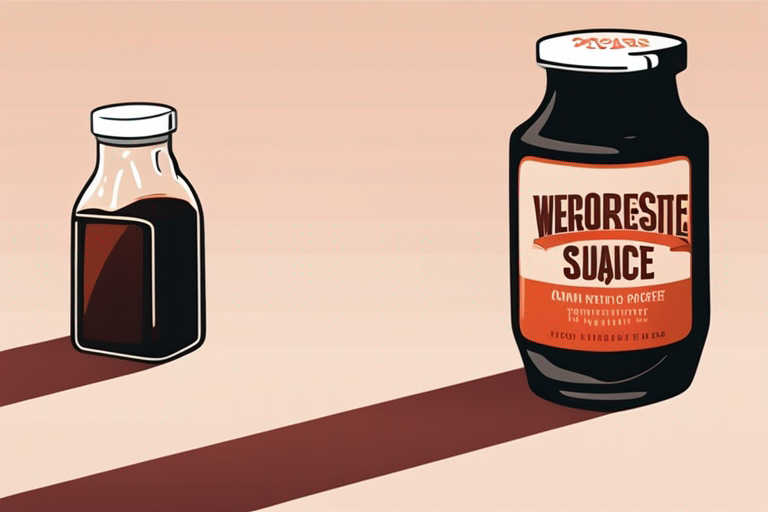
Worcestershire sauce is a popular condiment known for its tangy and savory flavor. Many households have a bottle of Worcestershire sauce tucked away in their pantry for adding depth to various dishes. But what happens when you realize that the expiration date on the bottle has passed? Is it still safe to use Worcestershire sauce after it has expired? Let's delve into the details to help you make an informed decision.
Understanding Expiration Dates on Worcestershire Sauce
When it comes to Worcestershire sauce, the expiration date stamped on the bottle serves as a guideline for optimal quality rather than safety. The sauce typically contains preservatives that help prolong its shelf life. However, over time, the flavor and potency of the sauce may start to degrade.
Factors Affecting Worcestershire Sauce Shelf Life
Several factors can impact the shelf life of Worcestershire sauce, including:
Proper cooking temperatures are essential for food safety. An instant-read food thermometer (Amazon) helps ensure meat reaches safe internal temperatures and reduces the risk of foodborne illness.
-
Storage Conditions: Proper storage is crucial for maintaining the quality of Worcestershire sauce. Storing the bottle in a cool, dark place away from direct sunlight and heat can help preserve its flavor.
-
Seal Integrity: A tightly sealed bottle ensures that the sauce is protected from air and moisture, which can lead to spoilage.
-
Contamination: Avoiding cross-contamination by using clean utensils and ensuring the bottle's mouth remains clean after each use can prevent the growth of harmful bacteria.
Can You Use Worcestershire Sauce After Expiration?
While it is generally safe to consume Worcestershire sauce after the expiration date, there are some factors to consider:
Signs of Spoilage
Before using Worcestershire sauce past its expiration date, check for these signs of spoilage:
-
Unusual Odor: If the sauce smells off, rancid, or has a foul odor, it is best to discard it.
-
Strange Texture: Any changes in the texture of the sauce, such as separation or mold growth, indicate spoilage.
-
Off-Flavors: If the Worcestershire sauce tastes significantly different from its usual flavor profile, it is advisable not to consume it.
Safety Precautions
If the Worcestershire sauce shows no signs of spoilage and has been stored correctly, you can use it with the following precautions:
-
Perform a Visual Inspection: Check the sauce for any discoloration, cloudiness, or unusual growths before using it.
-
Smell Test: Give the sauce a sniff to detect any off-putting odors that may indicate spoilage.
-
Taste in Moderation: While the flavor may have diminished slightly, tasting a small amount can help determine if it is still suitable for use.
common situation
Imagine it's a rainy Sunday afternoon, and you're in the mood to whip up some homemade meatloaf. You rummage through your pantry and find a half-full bottle of Worcestershire sauce. As you pull it out, you notice that it expired six months ago. You might wonder, “Can I still use this?” This is a common situation many people face, and the answer depends on a few simple checks.
Another relatable situation might involve preparing a last-minute marinade for some grilled chicken. You’re excited to fire up the grill, but upon checking your Worcestershire sauce, you see that it’s past the expiration date. In your rush, you might hesitate, wondering if the flavor will still work its magic.
Or Common situations include when you hosted a dinner party and forgot to check the condiments. Your guests are enjoying their meals, but you realize that the Worcestershire sauce you used for the salad dressing was past its prime. Thankfully, your guests didn’t notice any difference, but it makes you consider how often you check the expiration dates of your pantry staples.
Scientific Context
Worcestershire sauce contains vinegar, which is a natural preservative due to its acidity. The high sodium content also acts as a preservative, helping to inhibit microbial growth. Understanding this can provide confidence in using the sauce beyond its expiration date. On a scientific level, the sauce remains effective because the preservatives continue to play a role, even if the flavor has faded over time.
Many people don’t realize that the actual safety of consuming Worcestershire sauce or similar condiments primarily depends on their storage conditions and handling. For instance, a bottle that has been kept sealed and stored in a cool, dark pantry will likely be fine to use for months beyond the expiration date, while one left opened on a kitchen counter may spoil much sooner.
Tips for Extending Worcestershire Sauce Shelf Life
To prolong the shelf life of Worcestershire sauce and maintain its quality, consider the following tips:
-
Refrigeration: Storing Worcestershire sauce in the refrigerator can help extend its shelf life and preserve its flavor.
-
Avoid Contamination: Always use clean utensils when pouring Worcestershire sauce to prevent contamination.
-
Use a Quality Seal: If the original seal on the bottle is damaged or missing, consider transferring the sauce to a container with a secure lid.
-
Check Regularly: Make it a habit to check the contents of your pantry every few months. This practice not only helps prevent using expired products but also allows you to declutter.
-
Labeling: If you transfer your Worcestershire sauce to another container, label it with the date you opened it. This can help you keep track of its freshness and anticipate when to use it up.
Common Mistakes People Make
Despite the guidelines above, many people make common mistakes when it comes to Worcestershire sauce and other condiments:
-
Ignoring Expiration Dates: Some individuals may outright discard anything past the expiration date without checking for spoilage signs, leading to waste.
-
Storing in Inappropriate Locations: Many people mistakenly store their condiments in places that are too warm or exposed to light, which can indeed degrade quality faster.
-
Using Unclean Utensils: Not ensuring that the utensils used to scoop Worcestershire sauce are clean can introduce bacteria, which may lead to spoilage.
-
Not Using Enough: Some people underestimate the versatility of Worcestershire sauce and might only use it once in a while. However, incorporating it into various recipes can help eliminate the risk of it sitting unused and expiring.
Expert Insights on Food Safety
As a food safety expert, I always emphasize the importance of sensory checks before using any expired food product. If you have any doubt about the safety of Worcestershire sauce, trust your instincts. Taste a small amount after passing the visual and smell tests.
I’ve found that many home cooks assume that all expired products are unsafe, which simply isn’t true for many condiments. Understanding the science of food preservation can empower you to make informed decisions and reduce food waste.
Additionally, remember that while Worcestershire sauce retains quality for a while beyond the expiration date, the same cannot be said for all foods and condiments. Always be mindful of what you’re consuming.
Safety Warnings
When using Worcestershire sauce past its expiration date, always prioritize your health. If you notice any of the spoilage signs mentioned earlier—rancid smells, off flavors, or unusual textures—err on the side of caution and throw it away.
Also, keep in mind that consuming any food product carries inherent risks. If you have specific allergies or sensitivities, check the ingredients list to be sure that nothing has changed in the formulation over time.
Conclusion
In conclusion, while it is generally safe to use Worcestershire sauce after the expiration date, it is essential to exercise caution and employ sensory cues to determine its suitability for consumption. By understanding the factors that influence the shelf life of Worcestershire sauce and following proper storage practices, you can enjoy this flavorful condiment for an extended period. Remember to prioritize food safety and quality when making decisions about using expired food products. With a little awareness and care, that bottle tucked away in your pantry can continue to add a delightful kick to your meals!
Authoritative Food Safety References
These agencies and university labs inform every tip and health precaution we publish.
USDA FoodKeeper – Cold Storage Guidelines
Official refrigerator, freezer, and pantry timelines maintained by the U.S. Department of Agriculture.
Visit USDA FoodKeeperFDA Produce Safety Rule & Grower Guidance
Field-to-fridge handling practices that prevent contamination of fruits, vegetables, and leafy greens.
Visit FDA Produce SafetyCDC Foodborne Illness Prevention Hub
Surveillance-backed guidance on pathogens, symptoms, and steps to reduce foodborne illness risk.
Visit CDC Food SafetyUC Davis Postharvest Technology Center
University research detailing optimal storage atmospheres for produce after harvest.
Visit UC Davis PostharvestPenn State Extension – Home Food Preservation & Safety
Peer-reviewed extension bulletins on safe canning, chilling, and reheating practices.
Visit Penn State ExtensionFrequently Asked Questions
How long does Worcestershire sauce last after opening?
What are the signs that Worcestershire sauce has gone bad?
Can Worcestershire sauce make you sick if it is expired?
How should Worcestershire sauce be stored to prolong its shelf life?
Citations
Disclosure: As an Amazon Associate, we earn from qualifying purchases. This helps support our site and allows us to continue providing free food safety information.