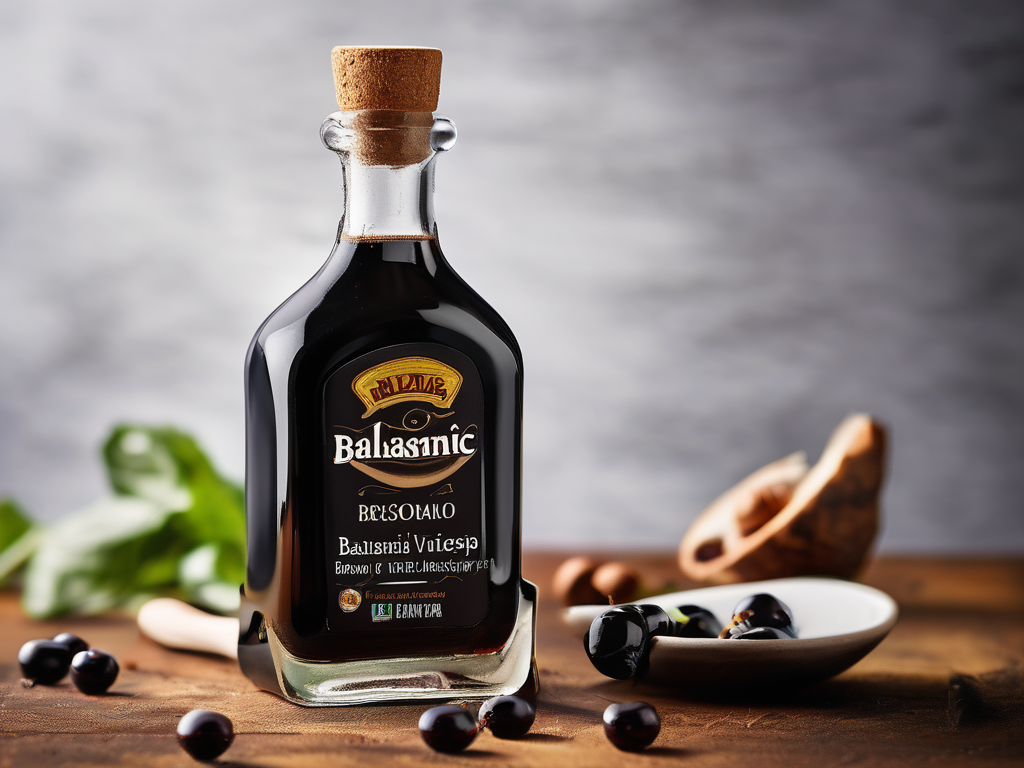
Can You Use Expired Balsamic Vinegar in Cooking?
Can You Use Expired Balsamic Vinegar in Cooking?
Balsamic vinegar is a popular condiment known for its rich, sweet, and tangy flavor. It's commonly used in salad dressings, marinades, sauces, and even desserts. However, like many pantry items, balsamic vinegar can eventually reach its expiration date. But does that mean it's no longer safe to use in cooking? Let's delve into this topic and explore whether expired balsamic vinegar can still be used safely. (Balsamic vinegar)
Understanding Balsamic Vinegar Expiration Dates
Balsamic vinegar, when stored properly in a cool, dark place, can last for several years. However, over time, its flavor may degrade, and it may eventually lose its quality. The expiration date on the bottle typically indicates the manufacturer's recommended date for peak flavor and quality. It doesn't necessarily mean that the vinegar is unsafe to consume after that date.
Factors Affecting Balsamic Vinegar Shelf Life
Several factors can impact the shelf life of balsamic vinegar, including:
- Storage: Proper storage is crucial for maintaining the quality of balsamic vinegar. Store it in a cool, dark place away from heat and light.
- Quality: Higher quality balsamic vinegars tend to have a longer shelf life due to their superior ingredients and production methods.
- Seal: Ensure that the bottle is tightly sealed after each use to prevent oxidation and contamination.
Can You Use Expired Balsamic Vinegar?
While using expired balsamic vinegar may not be harmful to your health, the flavor and quality may be compromised. Here are some considerations when deciding whether to use expired balsamic vinegar in your cooking:
Signs of Spoiled Balsamic Vinegar
- Color: If the vinegar has darkened significantly or developed a cloudy appearance, it may be spoiled.
- Smell: Spoiled balsamic vinegar may have a sharp, unpleasant odor.
- Taste: Taste a small amount of the vinegar to check for any off-flavors or a flat taste.
Cooking with Expired Balsamic Vinegar
If your balsamic vinegar is past its expiration date but still looks, smells, and tastes fine, you can still use it in cooking. However, keep these tips in mind:
- Adjust the Flavor: Since the vinegar's flavor may have mellowed over time, you may need to use a bit more than the recipe calls for to achieve the desired taste.
- Cooking Method: Cooking the vinegar can help mellow out any off-flavors and enhance its sweetness.
- Use in Recipes: Expired balsamic vinegar can still be used in marinades, dressings, sauces, and reductions where its flavor will be complemented by other ingredients.
Tips for Proper Balsamic Vinegar Storage
To extend the shelf life of your balsamic vinegar and maintain its quality, follow these storage tips:
- Store the vinegar in a cool, dark place away from heat sources and direct sunlight.
- Keep the bottle tightly sealed when not in use to prevent oxidation.
- Avoid storing balsamic vinegar near strong-smelling foods, as it can absorb odors.
Conclusion
In conclusion, while using expired balsamic vinegar may not pose a health risk, it's essential to check for signs of spoilage before using it in your cooking. By understanding the factors that affect balsamic vinegar's shelf life and following proper storage guidelines, you can enjoy this flavorful condiment for an extended period. Experiment with using expired balsamic vinegar in your recipes, adjusting the flavor as needed to suit your taste preferences. Remember, when in doubt, it's always best to err on the side of caution and discard any vinegar that shows signs of spoilage. (Balsamic vinegar)
Authoritative Food Safety References
These agencies and university labs inform every tip and health precaution we publish.
USDA FoodKeeper – Cold Storage Guidelines
Official refrigerator, freezer, and pantry timelines maintained by the U.S. Department of Agriculture.
Visit USDA FoodKeeperFDA Produce Safety Rule & Grower Guidance
Field-to-fridge handling practices that prevent contamination of fruits, vegetables, and leafy greens.
Visit FDA Produce SafetyCDC Foodborne Illness Prevention Hub
Surveillance-backed guidance on pathogens, symptoms, and steps to reduce foodborne illness risk.
Visit CDC Food SafetyUC Davis Postharvest Technology Center
University research detailing optimal storage atmospheres for produce after harvest.
Visit UC Davis PostharvestPenn State Extension – Home Food Preservation & Safety
Peer-reviewed extension bulletins on safe canning, chilling, and reheating practices.
Visit Penn State Extension