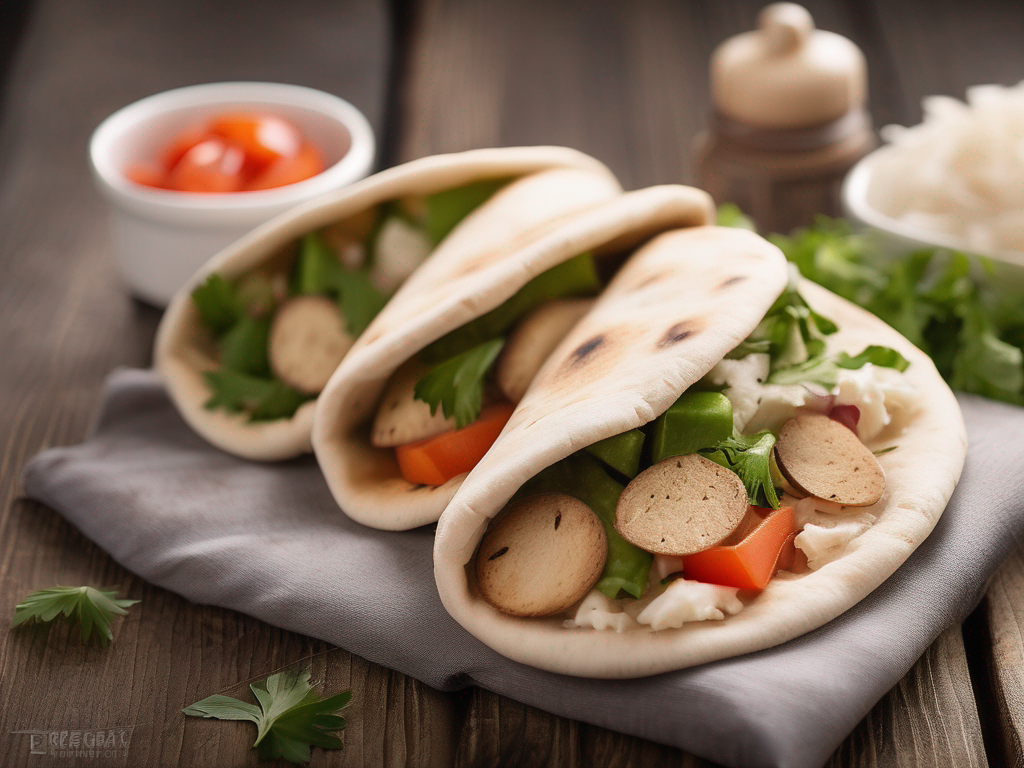
Reviving Stale Pita Bread: Tips to Make it Fresh Again
Reviving Stale Pita Bread: Tips to Make it Fresh Again
Are you tired of throwing away stale pita bread that has lost its freshness and become dry and unappetizing? Don't worry, you can actually revive stale pita bread and make it fresh again with a few simple tricks. In this guide, we will explore different methods to bring your pita bread back to life and enjoy it like it's freshly baked. (Pita bread)
Understanding Stale Pita Bread
Before we dive into the methods of reviving stale pita bread, let's understand why pita bread goes stale. Stale pita bread is mainly caused by the loss of moisture over time. When exposed to air or not stored properly, the bread tends to dry out, making it tough and less flavorful. However, with the right techniques, you can restore its texture and taste.
Signs of Stale Pita Bread
Here are some common signs that your pita bread has gone stale:
Dry foods stay fresher when protected from moisture, pests, and air exposure. Using airtight pantry containers (Amazon) helps maintain quality and extend shelf life for pantry staples.
- Dry and tough texture
- Loss of flexibility, making it difficult to fold or stuff
- Less aroma and flavor
Methods to Revive Stale Pita Bread
1. Steam Revival Method
Steps:
- Boil some water in a pot.
- Once boiling, hold the pita bread over the steam for a few seconds.
- Rotate the bread to ensure even steaming.
- Remove from steam and let it cool before using.
Benefits:
- Adds moisture back into the bread.
- Softens the texture, making it more pliable.
2. Oven Revival Method
Steps:
Excess humidity can cause dry foods to clump or spoil. Adding food-safe desiccant packs (Amazon) to storage containers helps control moisture levels and extend shelf life.
- Preheat your oven to 350°F (175°C).
- Lightly dampen a clean kitchen towel.
- Wrap the pita bread in the damp towel.
- Place the wrapped pita bread in the oven for 5-7 minutes.
- Check the bread for desired softness and remove from the oven.
Benefits:
- Reheats the bread while adding moisture.
- Restores the freshness without making it soggy.
3. Microwave Revival Method
Steps:
- Dampen a paper towel.
- Wrap the pita bread in the damp paper towel.
- Microwave on high for 10-15 seconds.
- Check the texture and repeat if needed.
Benefits:
- Quick and easy method.
- Adds moisture back into the bread.
4. Grilling or Toasting Method
Steps:
- Preheat a grill or toaster.
- Place the pita bread on the grill or in the toaster.
- Heat for a few minutes until warm and slightly crispy.
- Remove and let it cool before using.
Benefits:
- Adds a slight crispiness to the bread.
- Restores some of the lost moisture.
Safety Tips for Reviving Stale Pita Bread
- Ensure the pita bread is not moldy or spoiled before attempting to revive it.
- Use clean hands and utensils during the revival process to prevent contamination.
- Store any leftover revived pita bread in an airtight container to maintain freshness.
Conclusion
Reviving stale pita bread is a great way to reduce food waste and enjoy delicious bread once again. By using methods like steaming, oven heating, microwaving, or grilling, you can bring back the freshness and flavor of your pita bread. Remember to store your pita bread properly in the future to prevent it from going stale too quickly. With these tips, you can enjoy your pita bread like it's freshly baked every time.
Now, go ahead and try these methods to revive your stale pita bread and elevate your meals with fresh, tasty bread! [Learn more about pita bread](/food/pita bread) and how to incorporate it into your cooking routine. (Pita bread)
Related Posts
Here are some other articles you might find helpful:
- Making the Most of Leftover Cooked Split Peas: Practical Tips to Avoid Food Waste
- The Best Way to Store Pita Bread to Prevent it from Going Bad
- Creative Recipes to Use Up Leftover Opened Canned Split Peas
- Creative Ways to Use Leftover Instant Falafel Mix
- Signs of Spoilage in Hummus: Commercially Packaged, Refrigerated, and Opened
Authoritative Food Safety References
These agencies and university labs inform every tip and health precaution we publish.
USDA FoodKeeper – Cold Storage Guidelines
Official refrigerator, freezer, and pantry timelines maintained by the U.S. Department of Agriculture.
Visit USDA FoodKeeperFDA Produce Safety Rule & Grower Guidance
Field-to-fridge handling practices that prevent contamination of fruits, vegetables, and leafy greens.
Visit FDA Produce SafetyCDC Foodborne Illness Prevention Hub
Surveillance-backed guidance on pathogens, symptoms, and steps to reduce foodborne illness risk.
Visit CDC Food SafetyUC Davis Postharvest Technology Center
University research detailing optimal storage atmospheres for produce after harvest.
Visit UC Davis PostharvestPenn State Extension – Home Food Preservation & Safety
Peer-reviewed extension bulletins on safe canning, chilling, and reheating practices.
Visit Penn State ExtensionDisclosure: As an Amazon Associate, we earn from qualifying purchases. This helps support our site and allows us to continue providing free food safety information.