Can You Eat Popcorn After the Expiration Date?
CanIEatExpired.com Team
# Can You Eat Popcorn After the Expiration Date?

Popcorn is a beloved snack enjoyed by many. Whether you prefer it buttered, salted, or seasoned with various flavors, popcorn is a versatile treat that can be enjoyed in a variety of ways. But what happens when you find an old bag of popcorn tucked away in your pantry past its expiration date? Can you still safely enjoy it? In this blog post, we will explore the safety of eating popcorn after the expiration date and provide you with practical tips to ensure your popcorn remains fresh and delicious.

## Understanding the Expiration Date on Popcorn

When it comes to packaged foods like popcorn, the expiration date or "best by" date is provided by manufacturers as a guideline for when the product is at its peak quality. It is important to note that the expiration date is not a strict indicator of food safety but rather an estimate of how long the product will retain its best taste and quality.

### Factors Affecting Popcorn Shelf Life

Several factors can affect the shelf life of popcorn, including:
- **Storage Conditions**: Proper storage is crucial in maintaining the freshness of popcorn. Exposure to heat, moisture, and light can accelerate the deterioration of the product.
- **Packaging**: The quality of the packaging can impact the shelf life of popcorn. Airtight packaging can help prevent moisture and air from reaching the kernels.
- **Ingredients**: Flavored popcorn varieties may have different shelf lives based on the ingredients used in the seasoning.

## Can You Eat Popcorn After the Expiration Date?

While consuming popcorn after the expiration date is not recommended, it is not necessarily unsafe. Popcorn is a dry and shelf-stable snack that can last beyond its expiration date if stored properly. Here are some factors to consider when deciding whether to eat expired popcorn:

### Signs of Spoiled Popcorn

Before consuming expired popcorn, it is essential to inspect it for any signs of spoilage, such as:
- Off smell or musty odor
- Discoloration or mold growth
- Stale taste or texture

If you notice any of these signs, it is best to discard the popcorn to avoid the risk of foodborne illness.

### Proper Storage of Popcorn

To extend the shelf life of popcorn and maintain its freshness, follow these storage tips:
1. Store popcorn in a cool, dry place away from direct sunlight.
2. Keep popcorn in airtight containers or resealable bags to prevent moisture absorption.
3. Avoid storing popcorn near strong-smelling foods, as popcorn can easily absorb odors.

## common situation: When Expired Popcorn Matters

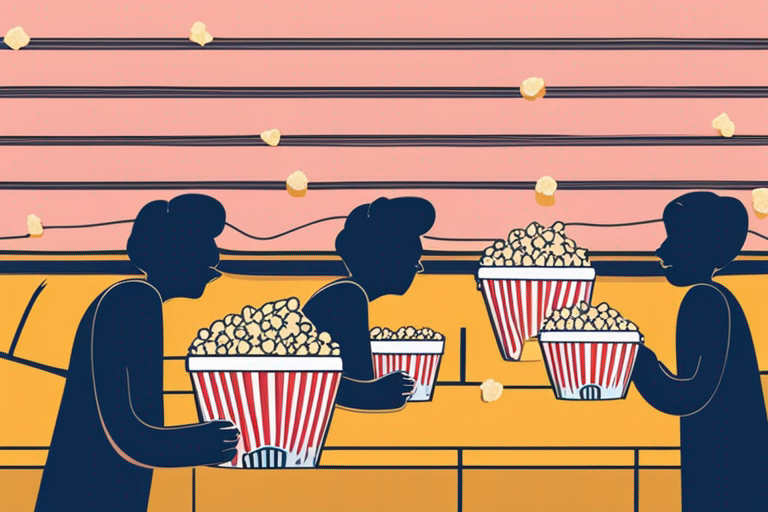
Imagine this: You’re hosting a movie night and you realize you’re out of popcorn. In a desperate search through the pantry, you uncover a long-forgotten bag of popcorn that expired six months ago. Do you toss it or risk it? You might remember how much you enjoyed that flavor during your last movie marathon and decide to inspect it carefully. With a quick sniff and a taste test, you find that it still has a pleasant aroma and that signature crunch. You pop it up, and it turns out to be the highlight of your movie night!

Another situation could be when you’re preparing snacks for a last-minute gathering. You discover a stash of flavored popcorn that’s past its best-by date. Many people don’t realize that these flavored varieties might still be edible but could lack their original crunch or flavor intensity. You might think twice about tossing it out, especially since you’ve always loved that sriracha-lime flavor. After checking for signs of spoilage and a quick taste test, you confidently serve it to your friends, who rave about it.

In both cases, using the tips provided in this post to inspect the popcorn can save the day. If the popcorn smells fine, looks normal, and passes the taste test, you might just have a delicious snack on your hands.

## Scientific Context: The Shelf Stability of Popcorn

Popcorn kernels are unique because they have a moisture content that allows them to pop. This moisture, when kept in the right environment, remains stable, allowing the kernels to last for a long time. The optimal moisture content for popping is about 13.5% to 14%. If the kernels dry out too much, they will not pop properly. However, even beyond the expiration date, the kernels can remain safe to eat but may not perform optimally in terms of popping.

### Preservation Methods: Keeping Popcorn Fresh

For those looking to extend the life of their popcorn even further, consider some preservation methods. Vacuum sealing can be an effective way to keep moisture at bay. If you have a vacuum sealer, you can seal your popcorn kernels in a bag and store them in a cool, dark place. This method removes air, which helps preserve freshness and prevents oxidation, ensuring that your popcorn remains fluffy and flavorful for longer periods.

Another method is freezing your popcorn. While it might sound unusual, placing unpopped kernels in an airtight container and keeping them in the freezer can help maintain their moisture content. When you’re ready to enjoy, simply pop them straight from the freezer—there’s no need to thaw.

### Nutritional Benefits of Popcorn

Popcorn isn’t just a tasty snack; it also boasts some impressive nutritional benefits. It's a whole grain and high in fiber, which can aid in digestion. Air-popped popcorn is low in calories and fat, making it a healthier option compared to many other snacks. Just keep in mind that added butter, oil, or flavorings can change its health profile significantly.

Many people don't realize that popcorn is also a source of antioxidants, including polyphenols, which can help combat oxidative stress in the body. So, enjoying a bowl of plain, air-popped popcorn not only satisfies your cravings but also provides nutritional quality!

## Tips for Safe Popcorn Consumption

If you decide to eat popcorn after the expiration date, follow these tips to ensure its safety:
- **Inspect the Packaging**: Check for any signs of damage or compromise in the packaging before opening.
- **Smell Test**: Give the popcorn a sniff to check for any off odors.
- **Visual Inspection**: Look for any discoloration, mold, or unusual growth on the kernels.
- **Taste Test**: Take a small bite to assess the taste and texture of the popcorn.

## Common Mistakes When It Comes to Popcorn Storage

Many people don’t realize that how they store popcorn can dramatically affect its longevity. For example, storing popcorn in a humid environment, such as a kitchen cabinet above the stove, leads to absorption of moisture, making the popcorn stale. Similarly, keeping it in its original packaging, which might not be airtight, can expose it to air and reduce its freshness.

### The Importance of Air-Tight Containers

One common oversight is not using air-tight containers for popcorn. If you’ve opened a bag, consider transferring the remaining kernels or popped popcorn into a glass jar or a resealable plastic bag. This helps to keep out moisture and pests, extending the shelf life significantly.

Additionally, consider adding silica gel packets to your popcorn container if you live in a humid area. These packets absorb excess moisture, helping to maintain that delightful crunch.

## Expert Insights: Recommendations from Food Safety Authorities

Food safety experts recommend adhering to food labeling guidelines but emphasize that sensory evaluation—using your sight, smell, and taste—can be practical tools in determining the edibility of snacks like popcorn. The USDA states that if the food looks and smells fine, it’s often safe to eat, provided no spoilage signs are present.

Furthermore, experts advise that when in doubt, you can pop a small batch of the kernels. If they pop well and taste good, you’re likely in the clear. However, they also caution that while the kernels might be safe, the added seasonings can be a different story. Always check the ingredient labels for potential spoilage.

## Safety Warnings and Considerations

While popcorn is a generally safe snack, here are some important cautions and considerations:
- **Check for Allergens**: Some flavored popcorns may contain allergens such as dairy or nuts, which can pose risks for those with allergies.
- **Be Mindful of Additives**: If you’re eating flavored popcorn after the expiration date, be aware that any added oils or flavorings can spoil much faster than the dry kernels themselves.
- **Portion Control**: Eating large amounts of popcorn, particularly if it’s flavored or salted, can lead to excessive sodium intake. Moderation is key!

## Conclusion

In conclusion, while it is generally recommended to consume popcorn before the expiration date for the best quality and taste, eating popcorn after the expiration date is not necessarily unsafe if stored properly and showing no signs of spoilage. By understanding the factors that affect popcorn shelf life, proper storage methods, and practicing food safety guidelines, you can enjoy your favorite snack with peace of mind. Remember to trust your senses and use your best judgment when deciding whether to eat expired popcorn. With a little care, that old bag of popcorn might just become your new favorite treat!
Authoritative Food Safety References
These agencies and university labs inform every tip and health precaution we publish.
USDAOfficial guidance
USDA FoodKeeper – Cold Storage Guidelines
Official refrigerator, freezer, and pantry timelines maintained by the U.S. Department of Agriculture.
Visit USDA FoodKeeperFDAOfficial guidance
FDA Produce Safety Rule & Grower Guidance
Field-to-fridge handling practices that prevent contamination of fruits, vegetables, and leafy greens.
Visit FDA Produce SafetyCDCOfficial guidance
CDC Foodborne Illness Prevention Hub
Surveillance-backed guidance on pathogens, symptoms, and steps to reduce foodborne illness risk.
Visit CDC Food SafetyResearchUniversity research
UC Davis Postharvest Technology Center
University research detailing optimal storage atmospheres for produce after harvest.
Visit UC Davis PostharvestResearchUniversity research
Penn State Extension – Home Food Preservation & Safety
Peer-reviewed extension bulletins on safe canning, chilling, and reheating practices.
Visit Penn State Extension❓
Frequently Asked Questions
How long does popcorn last past the expiration date?
Popcorn can last beyond its expiration date if stored in a cool, dry place. Generally, unopened popcorn can be consumed for up to a year past the expiration date. However, it is always best to check for any signs of spoilage before eating.
What are the signs that popcorn has gone bad?
Signs that popcorn has gone bad include a rancid smell, off taste, or the presence of mold. If the popcorn appears discolored, has an unusual odor, or tastes strange, it is best to discard it to avoid the risk of foodborne illness.
Can expired popcorn make you sick?
Eating expired popcorn may not necessarily make you sick, but it could lead to food poisoning if the popcorn has gone bad. It is important to inspect the popcorn for any signs of spoilage before consuming it to reduce the risk of illness.
How should popcorn be stored to prolong its shelf life?
To prolong the shelf life of popcorn, store it in an airtight container in a cool, dry place away from moisture and sunlight. Avoid storing popcorn in humid environments or near sources of heat, as this can cause it to spoil more quickly.
📚
Citations
Disclosure: As an Amazon Associate, we earn from qualifying purchases. This helps support our site and allows us to continue providing free food safety information.
Our articles are created using a combination of AI assistance and human review. All food safety information is based on USDA guidelines and credible sources. Learn more about our review process here.