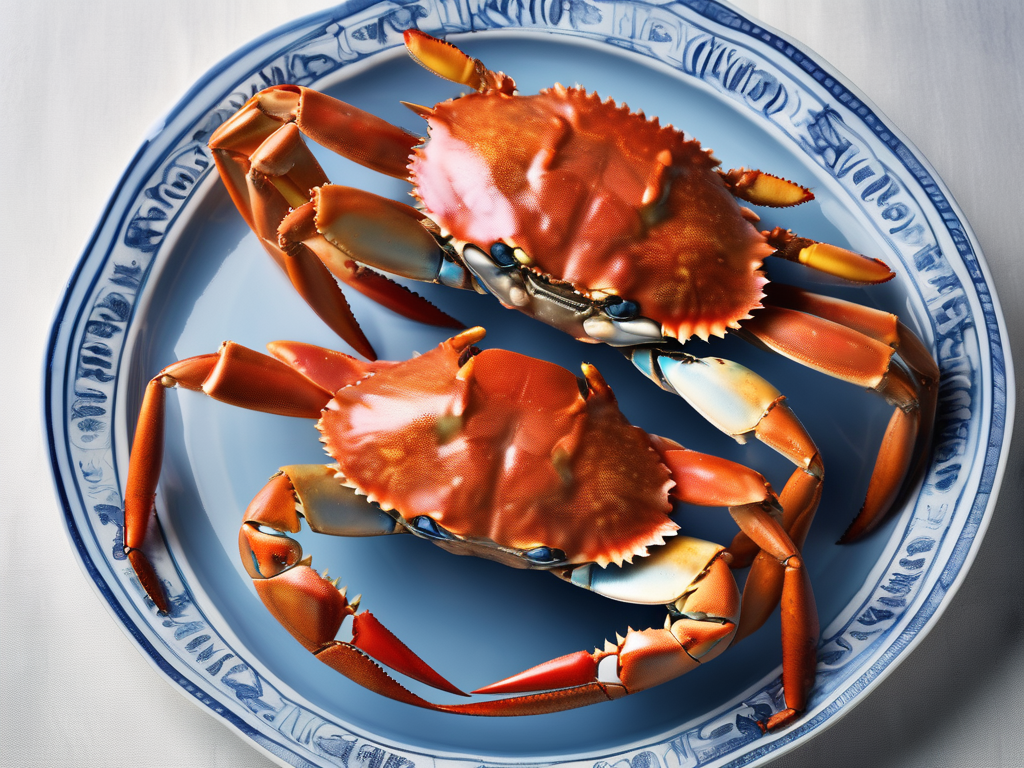
Can I Use Leftover Blue Crab in a New Recipe?
Can I Use Leftover Blue Crab in a New Recipe?
Blue crab is a delicious and versatile seafood that can be used in a variety of dishes. If you have leftover blue crab from a previous meal, you may be wondering if it is safe to use in a new recipe. In this blog post, we will explore the safety of using leftover blue crab and provide you with some tips on how to store and use it effectively. (Blue crab)
Is it Safe to Use Leftover Blue Crab?
Using leftover blue crab in a new recipe can be safe as long as you follow proper food safety guidelines. Here are some key points to consider:
Storage
- Store leftover blue crab in an airtight container in the refrigerator.
- Consume the leftovers within 2-3 days to ensure freshness.
- If you are unable to use the leftover blue crab within this timeframe, consider freezing it for longer storage.
Reheating
- When reheating leftover blue crab, make sure to heat it thoroughly to an internal temperature of 165°F (74°C) to kill any potential bacteria.
- Avoid reheating blue crab more than once to reduce the risk of foodborne illness.
Signs of Spoilage
- Check for any unusual odors, sliminess, or discoloration in the leftover blue crab before using it in a new recipe.
- If the blue crab shows any signs of spoilage, it is best to discard it to avoid foodborne illness.
Cross-Contamination
- When using leftover blue crab in a new recipe, be mindful of cross-contamination with other ingredients.
- Wash your hands, utensils, and cooking surfaces thoroughly before and after handling the blue crab to prevent the spread of bacteria.
Tips for Using Leftover Blue Crab in New Recipes
Now that you know the safety guidelines for using leftover blue crab, here are some practical tips for incorporating it into new dishes:
Dairy products require consistent cold storage to prevent spoilage and bacterial growth. A refrigerator thermometer (Amazon) helps ensure your refrigerator maintains safe temperatures (40°F or below).
- Crab Cakes: Use leftover blue crab to make delicious crab cakes by combining it with breadcrumbs, eggs, herbs, and spices.
- Crab Salad: Create a refreshing crab salad by mixing the blue crab with mayonnaise, celery, onions, and seasonings.
- Crab Dip: Whip up a creamy crab dip by blending leftover blue crab with cream cheese, sour cream, and seasonings for a crowd-pleasing appetizer.
- Crab Pasta: Add leftover blue crab to pasta dishes like linguine or spaghetti for a decadent and flavorful meal.
Conclusion
In conclusion, using leftover blue crab in a new recipe can be a great way to reduce food waste and create delicious meals. By following proper storage and reheating techniques, as well as being mindful of signs of spoilage and cross-contamination, you can safely enjoy leftover blue crab in a variety of dishes. Get creative in the kitchen and experiment with different recipes to make the most of your leftover blue crab!
For more information on blue crab, check out our [blue crab](/food/blue crab) guide. Happy cooking! (Blue crab)
Authoritative Food Safety References
These agencies and university labs inform every tip and health precaution we publish.
USDA FoodKeeper – Cold Storage Guidelines
Official refrigerator, freezer, and pantry timelines maintained by the U.S. Department of Agriculture.
Visit USDA FoodKeeperFDA Produce Safety Rule & Grower Guidance
Field-to-fridge handling practices that prevent contamination of fruits, vegetables, and leafy greens.
Visit FDA Produce SafetyCDC Foodborne Illness Prevention Hub
Surveillance-backed guidance on pathogens, symptoms, and steps to reduce foodborne illness risk.
Visit CDC Food SafetyUC Davis Postharvest Technology Center
University research detailing optimal storage atmospheres for produce after harvest.
Visit UC Davis PostharvestPenn State Extension – Home Food Preservation & Safety
Peer-reviewed extension bulletins on safe canning, chilling, and reheating practices.
Visit Penn State ExtensionFrequently Asked Questions
How long can leftover blue crab be stored in the refrigerator?
Can I freeze leftover blue crab for later use?
What are some safe ways to reheat leftover blue crab?
Are there any specific food safety tips to keep in mind when using leftover blue crab in a new recipe?
Disclosure: As an Amazon Associate, we earn from qualifying purchases. This helps support our site and allows us to continue providing free food safety information.