Can Cornmeal Expire: Understanding Food Safety and Storage
CanIEatExpired.com Team
# Can Cornmeal Expire: Understanding Food Safety and Storage

Cornmeal is a pantry staple that many of us rely on for baking, cooking, and creating delicious dishes. Whether you use it to make cornbread, corn muffins, or as a coating for fried foods, cornmeal is a versatile ingredient that can add flavor and texture to a variety of recipes. But if you've had a bag of cornmeal sitting in your pantry for a while, you may be wondering: can cornmeal expire? In this blog post, we'll explore the topic of cornmeal expiration, how to store it properly, and tips for ensuring food safety when using cornmeal in your kitchen. ([Cornmeal](https://canieatexpired.com/food/cornmeal))

## Understanding Cornmeal Expiration

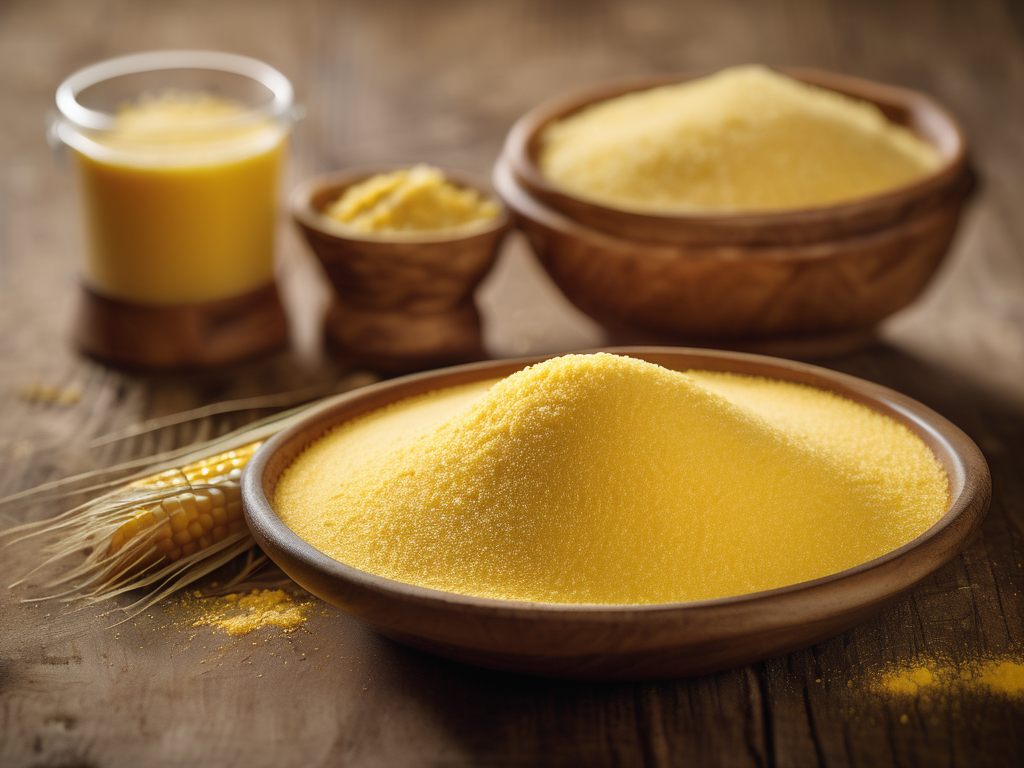
Cornmeal is a type of flour made from dried corn kernels that have been ground into a coarse or fine texture. Like any other food product, cornmeal can expire over time. While cornmeal does not have a strict expiration date like some perishable items, it can still go bad if not stored properly or if it is kept for too long. Here are some factors to consider when determining if your cornmeal has expired:

### Signs of Cornmeal Spoilage

- **Off Odors:** If your cornmeal smells rancid or musty, it may have gone bad.
- **Change in Color:** Fresh cornmeal is typically a vibrant yellow color. If you notice any discoloration or dark spots, it could indicate spoilage.
- **Pests:** Keep an eye out for any signs of pests or insects in your cornmeal, as they can contaminate the product and render it unsafe to use.

## common situation of Cornmeal Expiration

Imagine this: You’re preparing a family dinner, excited to whip up your grandmother’s famous cornbread recipe. You reach for the bag of cornmeal tucked away in the pantry, only to find it's been there for over a year. Unsure of its safety, you hesitate. Do you risk it, or should you toss it out? This situation is all too common! Many of us find ourselves in similar situations, questioning if our pantry staples are still good to use.

In another case, a college student named Sarah decided to make a batch of corn muffins for her study group. She found a half-open bag of cornmeal in her dorm kitchen, but it had been there since last semester. After a quick sniff and inspection, she decided to use it, thinking it was fine. Unfortunately, the muffins turned out to have a stale taste, and her friends noticed. That’s the moment she learned that expired food doesn’t just pose a safety risk; it can also affect the flavor of your dishes.

Then there’s Mark, a weekend warrior in the kitchen who loves experimenting with new recipes but isn’t always mindful of his pantry contents. One Sunday, he decided to try making polenta for the first time. He found a dusty bag of cornmeal at the back of his pantry, only to discover later during cooking that it had expired months ago. The texture was off, and the dish was far from what he had envisioned. He learned the hard way that keeping track of pantry staples is just as important as the cooking itself.

## Proper Storage of Cornmeal

To extend the shelf life of your cornmeal and prevent it from spoiling, it's essential to store it properly. Here are some tips for storing cornmeal:

### Best Storage Conditions

1. **Cool and Dry:** Store cornmeal in a cool, dry place away from heat sources and direct sunlight.
2. **Airtight Container:** Transfer cornmeal to an airtight container or resealable bag to protect it from moisture and pests.
3. **Refrigeration:** While not necessary, storing cornmeal in the refrigerator can help prolong its freshness, especially in warm and humid climates.

### Detailed Storage Techniques

Many people don’t realize that the type of container can make a significant difference. Opt for glass or high-quality plastic containers with tight-sealing lids. Label the container with the purchase date, so you can keep track of how long it has been stored. Alternatively, vacuum sealing cornmeal can dramatically extend its shelf life by removing air, which is a key contributor to rancidity.

You might also want to consider dividing your cornmeal into smaller portions if you buy in bulk. This way, you can open only what you need while keeping the rest sealed and protected. I’ve found that using mason jars for storage not only keeps the cornmeal fresh but also creates a visually appealing pantry.

### Avoid These Storage Mistakes

- **Exposure to Moisture:** Moisture can cause cornmeal to spoil quickly. Ensure that the storage container is tightly sealed to prevent moisture from getting in.
- **Heat and Light:** Cornmeal should be stored away from heat sources and direct sunlight, as these can accelerate the degradation of the product.
- **Proximity to Strong Odors:** Cornmeal can absorb odors from other foods, so store it away from strong-smelling items like onions or spices.

## Practical Tips for Using Cornmeal

When using cornmeal in your recipes, it's essential to follow food safety guidelines to prevent foodborne illnesses. Here are some practical tips to keep in mind:

### Safe Handling Practices

1. **Check Expiration Date:** If your cornmeal has been sitting in the pantry for a while, check for any signs of spoilage before using it.
2. **Wash Hands:** Always wash your hands before handling cornmeal to prevent cross-contamination.
3. **Cook Thoroughly:** Ensure that cornmeal-based dishes are cooked thoroughly to kill any harmful bacteria.

### Common Mistakes to Avoid

- **Ignoring Storage Conditions:** A common mistake is storing cornmeal in the original packaging. That paper bag can let in moisture and air, jeopardizing freshness. Always transfer it to a more suitable container.
- **Using Expired Ingredients:** Some people think that if there’s no visible sign of spoilage, the cornmeal is still good. However, it might have lost its flavor and nutritional value, affecting your dish.
- **Overlooking the Importance of Dates:** Many folks don’t give importance to ‘best by’ dates. While cornmeal can last longer if stored properly, it’s best to use it within the recommended time frame for optimal quality.

## Scientific Context of Cornmeal Preservation

The lifespan of cornmeal largely depends on its fat content, which is higher in whole grain cornmeal than in its refined counterparts. Whole grain cornmeal contains oils from the germ, which can go rancid over time. Therefore, when purchasing cornmeal, consider the type you’re buying. If you intend to keep it for a long time, opt for degerminated cornmeal, which has a longer shelf life due to the removal of the germ.

Additionally, the storage temperature plays a pivotal role in preventing spoilage. The ideal temperature for cornmeal storage is below 70°F (21°C). Warmer temperatures can accelerate rancidity, and the quality of the cornmeal diminishes over time. This is why some home chefs swear by placing their cornmeal in the fridge or freezer as a foolproof method of preservation, especially if they buy in bulk.

Moreover, understanding the nutritional profile of cornmeal can also inform your storage choices. Cornmeal is rich in carbohydrates and provides a decent amount of fiber, vitamins, and minerals, such as magnesium and phosphorus. However, its nutritional quality can diminish if stored improperly or for too long. It’s worth noting that while fresh cornmeal is a nutritious addition to your meals, stale cornmeal not only lacks flavor but can also contribute less to your dietary needs.

## Safety Warnings and Important Considerations

While cornmeal is generally safe, there are still some important safety considerations to keep in mind. Always be cautious when purchasing bulk cornmeal from open bins at grocery stores. These can be breeding grounds for insects or pests if not properly maintained.

Additionally, if you notice any mold growth or an unusual texture, it’s best to err on the side of caution and discard the cornmeal. Remember that mold can produce mycotoxins, which can be harmful if ingested.

## Expert Insights on Cornmeal Safety

As a food safety expert, I often emphasize the importance of maintaining a clean pantry. Regularly checking for expired items and rotating food supplies can help prevent unpleasant surprises. Many people don’t realize that even in a sealed container, cornmeal can still degrade in quality over time. Therefore, consider implementing a “first in, first out” system—this ensures that older items are used before newer ones.

When in doubt, remember that your senses are your best allies. If your cornmeal smells off, looks different, or if you’re unsure of its past, it’s better to be safe than sorry. Investing in high-quality, airtight containers can pay off by keeping your pantry organized and your cornmeal fresh longer.

## Conclusion

In conclusion, while cornmeal does not have a strict expiration date, it can still go bad if not stored properly or kept for too long. By following the tips outlined in this blog post, you can ensure that your cornmeal stays fresh and safe to use in your favorite recipes. Remember to check for signs of spoilage, store cornmeal in a cool, dry place, and practice safe food handling practices when cooking with cornmeal. By taking these precautions, you can enjoy the versatility of cornmeal in your kitchen while prioritizing food safety for you and your family. [Cornmeal](/food/cornmeal) ([Cornmeal](https://canieatexpired.com/food/cornmeal))

## Related Posts

Here are some other articles you might find helpful:

- [How to Properly Reheat Leftover Corn to Avoid Sogginess](/blog/how-to-properly-reheat-leftover-corn-to-avoid-sogginess)
- [Preventing Mold in Cornmeal Storage Containers](/blog/preventing-mold-in-cornmeal-storage-containers)
- [How to Store Cornmeal for Long-Term Freshness](/blog/how-to-store-cornmeal-for-long-term-freshness)
- [Creative Recipes for Leftover Oysters Fresh Live](/blog/creative-recipes-for-leftover-oysters-fresh-live)
- [Is Your Instant Polenta Still Safe to Eat?](/blog/how-can-i-tell-if-my-instant-polenta-has-gone-bad)
Authoritative Food Safety References
These agencies and university labs inform every tip and health precaution we publish.
USDAOfficial guidance
USDA FoodKeeper – Cold Storage Guidelines
Official refrigerator, freezer, and pantry timelines maintained by the U.S. Department of Agriculture.
Visit USDA FoodKeeperFDAOfficial guidance
FDA Produce Safety Rule & Grower Guidance
Field-to-fridge handling practices that prevent contamination of fruits, vegetables, and leafy greens.
Visit FDA Produce SafetyCDCOfficial guidance
CDC Foodborne Illness Prevention Hub
Surveillance-backed guidance on pathogens, symptoms, and steps to reduce foodborne illness risk.
Visit CDC Food SafetyResearchUniversity research
UC Davis Postharvest Technology Center
University research detailing optimal storage atmospheres for produce after harvest.
Visit UC Davis PostharvestResearchUniversity research
Penn State Extension – Home Food Preservation & Safety
Peer-reviewed extension bulletins on safe canning, chilling, and reheating practices.
Visit Penn State ExtensionDisclosure: As an Amazon Associate, we earn from qualifying purchases. This helps support our site and allows us to continue providing free food safety information.
Our articles are created using a combination of AI assistance and human review. All food safety information is based on USDA guidelines and credible sources. Learn more about our review process here.