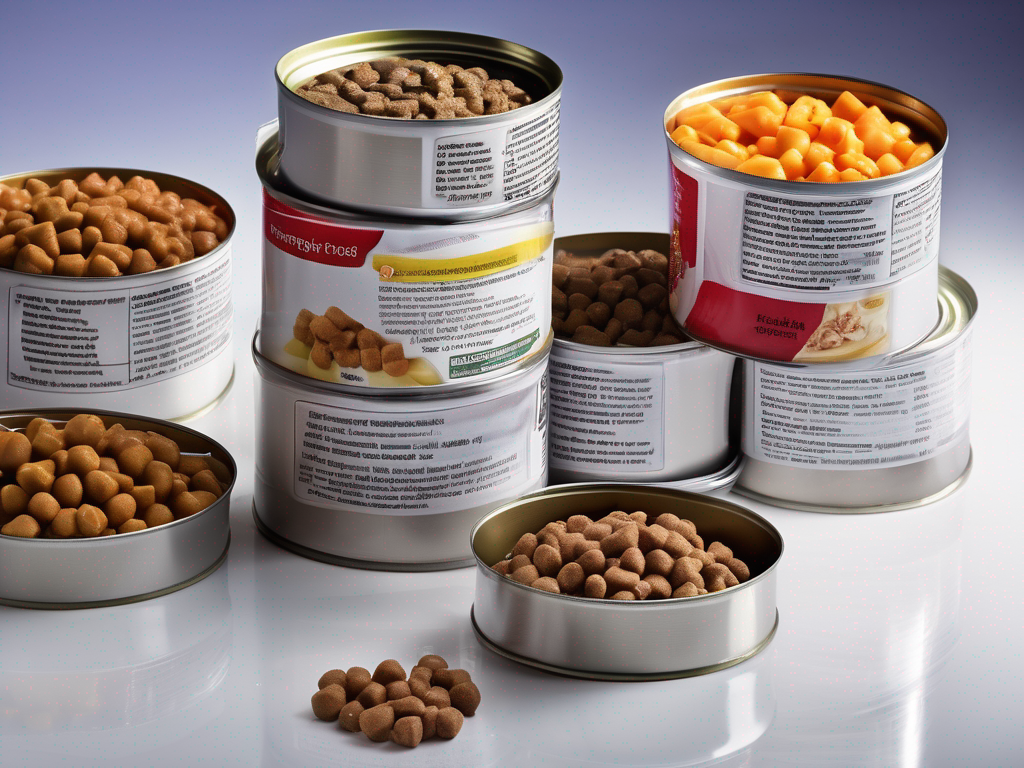
Best Practices for Rotating Canned Dog Food in Your Pantry
Best Practices for Rotating Canned Dog Food in Your Pantry
Canned dog food is a convenient and nutritious option for pet owners to feed their furry friends. However, like any other food item, proper storage and rotation are essential to prevent waste and ensure the food's freshness and safety for your pets. In this blog post, we will discuss best practices for rotating canned dog food in your pantry to maximize its shelf life and maintain its quality. (Canned dog food)
Importance of Rotating Canned Dog Food
Canned dog food, just like any other perishable food item, has a limited shelf life. To ensure that your furry friend is getting the best nutrition possible, it is crucial to rotate the canned food regularly. Here are a few reasons why rotating canned dog food is important:
1. Prevents Food Spoilage
Rotating canned dog food helps prevent food spoilage by ensuring that older cans are used before newer ones. This practice reduces the risk of feeding your pet expired or spoiled food, which can lead to health issues.
2. Maintains Nutritional Value
Over time, the nutritional value of canned dog food may degrade. By rotating the cans regularly, you can ensure that your pet is getting the freshest and most nutritious food possible.
3. Saves Money
Proper rotation of canned dog food helps you keep track of your inventory, preventing you from accidentally buying more cans than you need. This can help you save money and avoid wastage.
How to Rotate Canned Dog Food
Rotating canned dog food is a simple process that involves organizing your pantry in a way that ensures older cans are used first. Here are some practical tips to help you rotate your canned dog food effectively:
1. First In, First Out (FIFO) Method
The FIFO method involves organizing your pantry so that the oldest cans are placed in front and used first. When you buy new cans, make sure to place them behind the older ones to maintain the rotation.
2. Labeling System
Consider implementing a labeling system to track the purchase date of each can of dog food. You can use a marker or stickers to write the purchase date on the cans, making it easier to identify which ones to use first.
3. Regular Inventory Checks
Set aside some time each month to check the expiration dates of the canned dog food in your pantry. Use this opportunity to rearrange the cans and ensure that older ones are used before newer ones.
4. Storage Tips
Proper storage is key to maintaining the quality of canned dog food. Store the cans in a cool, dry place away from direct sunlight and moisture. Avoid storing them near sources of heat, such as the stove or microwave.
5. Donate Excess Cans
If you find yourself with excess canned dog food that is nearing its expiration date, consider donating it to a local animal shelter or rescue organization. This not only helps prevent wastage but also benefits pets in need.
Conclusion
Rotating canned dog food in your pantry is a simple yet effective way to prevent waste and ensure that your furry friend is getting the best nutrition possible. By following the tips outlined in this blog post, you can maintain the freshness and quality of the canned food while saving money and reducing food spoilage. Remember, your pet's health and well-being depend on the quality of the food they consume, so make rotating canned dog food a regular part of your pantry organization routine.
For more information on canned dog food, click here (Canned dog food)
Related Posts
Here are some other articles you might find helpful:
Authoritative Food Safety References
These agencies and university labs inform every tip and health precaution we publish.
USDA FoodKeeper – Cold Storage Guidelines
Official refrigerator, freezer, and pantry timelines maintained by the U.S. Department of Agriculture.
Visit USDA FoodKeeperFDA Produce Safety Rule & Grower Guidance
Field-to-fridge handling practices that prevent contamination of fruits, vegetables, and leafy greens.
Visit FDA Produce SafetyCDC Foodborne Illness Prevention Hub
Surveillance-backed guidance on pathogens, symptoms, and steps to reduce foodborne illness risk.
Visit CDC Food SafetyUC Davis Postharvest Technology Center
University research detailing optimal storage atmospheres for produce after harvest.
Visit UC Davis PostharvestPenn State Extension – Home Food Preservation & Safety
Peer-reviewed extension bulletins on safe canning, chilling, and reheating practices.
Visit Penn State Extension