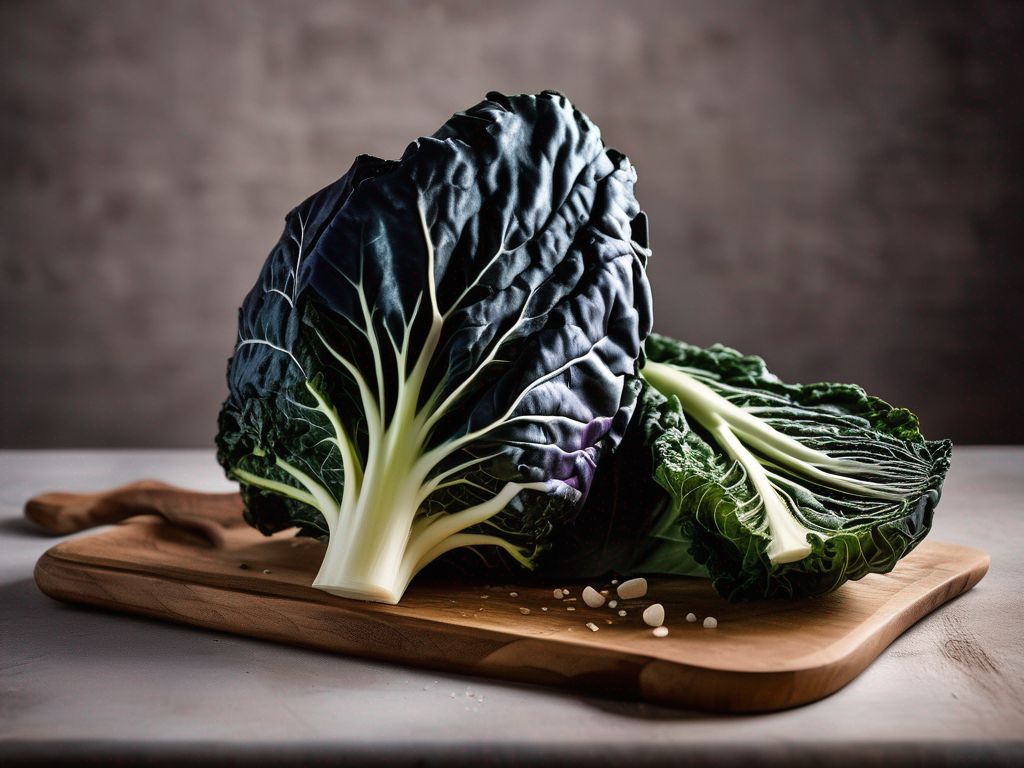
Preserving Black Cabbage for Longer Freshness
Preserving Black Cabbage for Longer Freshness
Black cabbage, also known as Lacinato kale or Tuscan kale, is a nutritious and delicious leafy green vegetable that is packed with vitamins, minerals, and antioxidants. To fully enjoy the flavor and nutritional quality of black cabbage, it is important to store it properly to maintain its freshness. In this blog post, we will explore the best methods for preserving black cabbage to extend its shelf life and keep it fresh for longer. (Black cabbage)
Understanding Black Cabbage
Black cabbage is a dark, leafy green vegetable that belongs to the kale family. It has a slightly sweeter and more delicate flavor compared to traditional curly kale. Black cabbage is rich in vitamins A, C, and K, as well as minerals like calcium and magnesium. It is also a good source of fiber and antioxidants, making it a great addition to a healthy diet.
nutritional quality of Black Cabbage
- Rich in vitamins and minerals
- High in antioxidants
- Supports bone health
- Promotes heart health
- Aids digestion
Proper Storage Techniques for Black Cabbage
To preserve the freshness of black cabbage and prevent it from wilting or spoiling, follow these storage tips:
Proper airflow and humidity control can significantly extend produce freshness. Many households use produce storage containers (Amazon) in the refrigerator to regulate moisture and slow spoilage.
1. Refrigeration
- Wrap black cabbage in a damp paper towel and store it in a perforated plastic bag in the crisper drawer of the refrigerator.
- Avoid washing black cabbage before storage, as excess moisture can cause it to spoil faster.
- Keep black cabbage away from ethylene-producing fruits like apples and bananas, as they can speed up the ripening process.
2. Freezing
- To freeze black cabbage, blanch the leaves in boiling water for 2-3 minutes, then plunge them into ice water to stop the cooking process.
- Drain the blanched black cabbage and pat it dry before transferring it to a freezer-safe bag or container.
- Frozen black cabbage can be stored for up to 6 months and used in soups, stews, and smoothies.
3. Dehydrating
- Dehydrating black cabbage is a great way to preserve it for long-term storage.
- Wash and dry the black cabbage leaves, then arrange them in a single layer on a dehydrator tray.
- Dehydrate the leaves at a low temperature (around 125°F) until they are crisp and brittle.
- Store the dehydrated black cabbage in an airtight container in a cool, dark place.
4. Fermentation
- Fermenting black cabbage is a traditional preservation method that not only extends its shelf life but also enhances its flavor and nutritional value.
- To ferment black cabbage, massage the leaves with salt to release their juices, then pack them tightly into a clean glass jar.
- Allow the black cabbage to ferment at room temperature for 1-2 weeks, checking on it periodically to release any built-up gases.
- Once the fermentation process is complete, store the jar in the refrigerator to slow down the fermentation and preserve the black cabbage.
Safety Tips for Preserving Black Cabbage
When preserving black cabbage, it is important to follow food safety guidelines to prevent contamination and spoilage:
- Wash your hands thoroughly before handling black cabbage to avoid transferring bacteria.
- Use clean utensils and containers when storing black cabbage to prevent cross-contamination.
- Check black cabbage for any signs of mold, discoloration, or off smells before consuming it.
- Discard any black cabbage that appears slimy, wilted, or has a sour odor, as these are signs of spoilage.
Conclusion
By following proper storage techniques and safety tips, you can preserve the freshness and flavor of black cabbage for longer periods. Whether you choose to refrigerate, freeze, dehydrate, or ferment black cabbage, these methods will help you enjoy this nutritious vegetable in a variety of dishes. Experiment with different preservation techniques to find the method that works best for your culinary needs and enjoy the nutritional quality of black cabbage year-round.
Remember to [black cabbage](/food/black cabbage) properly to maximize its shelf life and maintain its quality. With these tips, you can make the most of this versatile and nutrient-rich vegetable in your meals. (Black cabbage)
Keeping produce organized can improve air circulation and cooling. refrigerator organizer bins (Amazon) help reduce overcrowding and maintain consistent refrigerator temperatures.
Related Posts
Here are some other articles you might find helpful:
Authoritative Food Safety References
These agencies and university labs inform every tip and health precaution we publish.
USDA FoodKeeper – Cold Storage Guidelines
Official refrigerator, freezer, and pantry timelines maintained by the U.S. Department of Agriculture.
Visit USDA FoodKeeperFDA Produce Safety Rule & Grower Guidance
Field-to-fridge handling practices that prevent contamination of fruits, vegetables, and leafy greens.
Visit FDA Produce SafetyCDC Foodborne Illness Prevention Hub
Surveillance-backed guidance on pathogens, symptoms, and steps to reduce foodborne illness risk.
Visit CDC Food SafetyUC Davis Postharvest Technology Center
University research detailing optimal storage atmospheres for produce after harvest.
Visit UC Davis PostharvestPenn State Extension – Home Food Preservation & Safety
Peer-reviewed extension bulletins on safe canning, chilling, and reheating practices.
Visit Penn State ExtensionDisclosure: As an Amazon Associate, we earn from qualifying purchases. This helps support our site and allows us to continue providing free food safety information.