USDAOfficial guidance
USDA FoodKeeper – Cold Storage Guidelines
Official refrigerator, freezer, and pantry timelines maintained by the U.S. Department of Agriculture.
Visit USDA FoodKeeperLast reviewed: January 2026
Reviewed by the Can I Eat Expired Editorial Team using official USDA, FDA, and CDC food safety guidance. How we assess food safety risk
May be safe if properly stored and showing no spoilage signs. Check carefully before consuming.
⏱️ Safe for up to 3 days after expiry if properly stored and showing no spoilage signs.
Storage conditions, initial freshness, and proper handling change the answer — and those details are easy to miss.
Get a yes / no answer for your wet dog food →
Check Your Exact Situation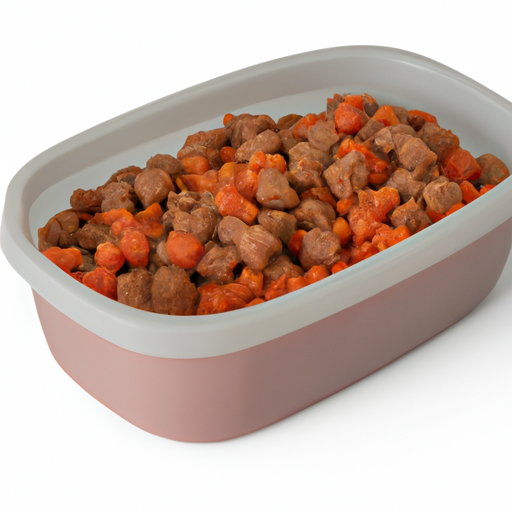
Pantry
15-25°C / 59-77°F (room temperature)
Store unopened wet dog food in a cool, dry place. Once opened, transfer any unused food to an airtight container and refrigerate. Use within 3-5 days after opening.
Pet food can lose nutritional value and attract pests when exposed to air. Keeping it sealed in an airtight pet food container (Amazon) helps maintain freshness and prevent contamination.
15 days
30 days
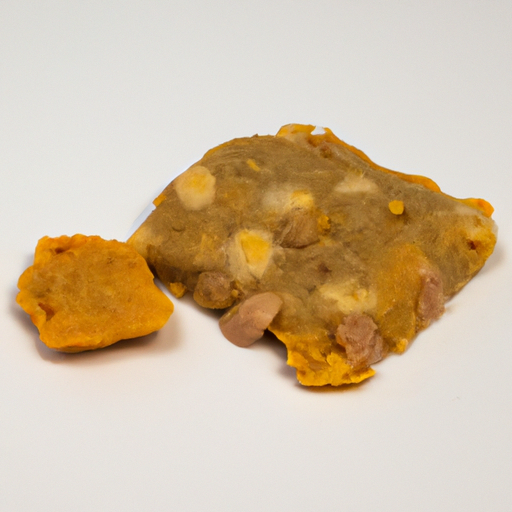
Wet dog food may show signs of spoilage such as an off smell, discoloration, or the presence of mold. If the food has separated or has a slimy texture, it should not be fed to pets.
If your pet is not eating the wet food, it can be mixed with dry kibble to enhance flavor or used as a topping for homemade pet treats.
In the absence of wet dog food, consider using canned pumpkin or plain cooked meats as a temporary substitute, ensuring they are safe for canine consumption.
The dates are manufacturer guidance and not absolute safety indicators if properly stored to consume. Best quality dates reflect when the food is at its peak freshness. Consuming after these dates may not pose a health risk, but quality may decline.
To determine if wet dog food has gone bad, check for any discoloration or mold growth on the surface, which indicates spoilage. Additionally, a sour or off-putting smell is a strong indicator that the food is no longer safe to feed your pet. Finally, if the texture has changed significantly—becoming overly watery or lumpy—it’s best to discard it.
Improperly stored wet dog food can lead to bacterial growth, posing a risk of foodborne illness to pets. Always observe proper hygiene when handling pet food and discard any food that shows signs of spoilage.
To maximize shelf life, keep wet dog food in its original can until ready to use. For opened cans, cover with a lid or plastic wrap and refrigerate promptly. Consider portioning into smaller containers for easier use.
Wet dog food is often formulated to be palatable and nutritious for dogs, with flavors that appeal to their taste buds. It has become increasingly popular among pet owners seeking to provide high-quality diets for their pets.
After opening Wet Dog Food, you can safely feed it to your dog for up to 15 days if stored properly in the pantry. However, for optimal freshness and safety, aim to use it within the first week. If you notice any changes in smell or texture, it's best to err on the side of caution and discard it.
Wet Dog Food left at room temperature for 6 hours may pose a risk to your pet’s health. While it’s generally recommended to discard any opened Wet Dog Food left out for more than 2 hours, if it’s been 6 hours, it’s safer to throw it away, as bacteria can multiply rapidly in that timeframe.
Yes, the type of container can affect the shelf life of Wet Dog Food. If you transfer it to an airtight container after opening, it can help maintain its freshness for longer. Always choose containers that are clean and dry to prevent moisture and bacteria from spoiling the food.
Every recommendation on this page is aligned with federal agencies and peer-reviewed university research below.
Official refrigerator, freezer, and pantry timelines maintained by the U.S. Department of Agriculture.
Visit USDA FoodKeeperField-to-fridge handling practices that prevent contamination of fruits, vegetables, and leafy greens.
Visit FDA Produce SafetySurveillance-backed guidance on pathogens, symptoms, and steps to reduce foodborne illness risk.
Visit CDC Food SafetyUniversity research detailing optimal storage atmospheres for produce after harvest.
Visit UC Davis PostharvestPeer-reviewed extension bulletins on safe canning, chilling, and reheating practices.
Visit Penn State ExtensionImportant: These are general guidelines based on authoritative sources listed above. Always use your best judgment and when in doubt, throw it out.
Disclosure: As an Amazon Associate, we earn from qualifying purchases. This helps support our site and allows us to continue providing free food safety information.